One Million Without a Home: The Numbers That Lay Bare São Paulo's Housing Crisis
New municipal data reveals the staggering scale of São Paulo's housing deficit — and the arithmetic behind why it keeps getting worse.
New municipal data reveals the staggering scale of São Paulo's housing deficit — and the arithmetic behind why it keeps getting worse.
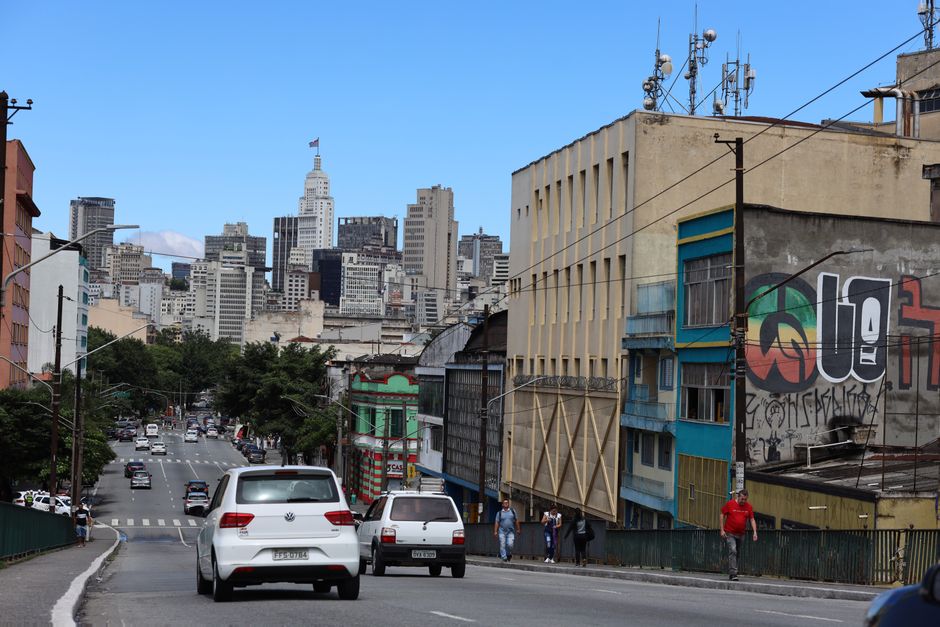
São Paulo has a housing shortfall of roughly 1.1 million units, according to figures compiled by the Fundação João Pinheiro and cross-referenced with the city's Secretaria Municipal de Habitação earlier this year. That number — larger than the entire population of Curitiba — represents families doubled up in single rooms in Heliópolis, households paying half their monthly income to rent a converted garage in Vila Madalena, and the estimated 58,000 people sleeping rough on the streets of the centro histórico on any given night.
The crisis is not new, but the data is sharper than it has ever been. The 2025 census supplementary housing survey, released in May, gave planners their first granular neighbourhood-level count since 2010. The results landed during a municipal budget cycle under Mayor Ricardo Nunes that has been dominated by drainage infrastructure after last summer's floods — meaning housing investment once again risks getting pushed down the priority list. With Lula's federal government running its Minha Casa Minha Vida programme at its highest funding level since 2014, what happens at the Prefeitura level in the next six months will determine whether federal money gets matched or squandered.
The deficit breaks down unevenly across the city's 96 subprefeituras. The five zones with the highest shortfalls are all on the periphery: Cidade Tiradentes, Grajaú, Sapopemba, Brasilândia and Jardim Ângela together account for approximately 340,000 of the missing units. The median household in those districts earns between R$1,800 and R$2,400 per month. A one-bedroom apartment advertised on Zap Imóveis in Cidade Tiradentes runs around R$900 to R$1,100 in rent — before condominium fees — which eats between 40 and 60 percent of that median income. The Brazilian government's own affordability benchmark caps housing costs at 30 percent of household income.
The favela count tells a related story. São Paulo's municipal housing authority, SEHAB, estimates the city contains 1,687 distinct favela settlements covering approximately 30,000 hectares. Paraisópolis, in the Morumbi district, is the second-largest single favela in the city with around 100,000 residents pressed up against some of the highest real-estate values in Latin America — a contrast that has been cited in urban planning literature for twenty years without producing a durable solution. In the centre, the so-called Cracolândia zone around Rua Helvétia and Largo Coração de Jesus concentrates the most visible face of urban exclusion, with service organisations like the Centro de Referência Especializado para Pessoas em Situação de Rua — the CREAS network — registering a 22 percent increase in daily contacts between January and June 2026 compared with the same period in 2024.
The federal Minha Casa Minha Vida programme allocated R$14.8 billion to São Paulo state for the 2023–2026 cycle, of which the capital municipality was supposed to absorb roughly R$4.2 billion. As of the end of May 2026, SEHAB had formally contracted projects representing R$2.7 billion of that allocation — a utilisation rate of about 64 percent with six months left in the cycle. Urbanists at the Instituto Pólis, a São Paulo-based housing and urban-rights research organisation, have pointed to the city's slow environmental licensing process and a shortage of suitable public land as the main bottlenecks. The Perímetro de Ação Integrada do Brás, a regeneration zone east of the Tietê rail terminal that was designated in 2022 as a priority site for social housing, has produced fewer than 800 units so far against a stated target of 8,000.
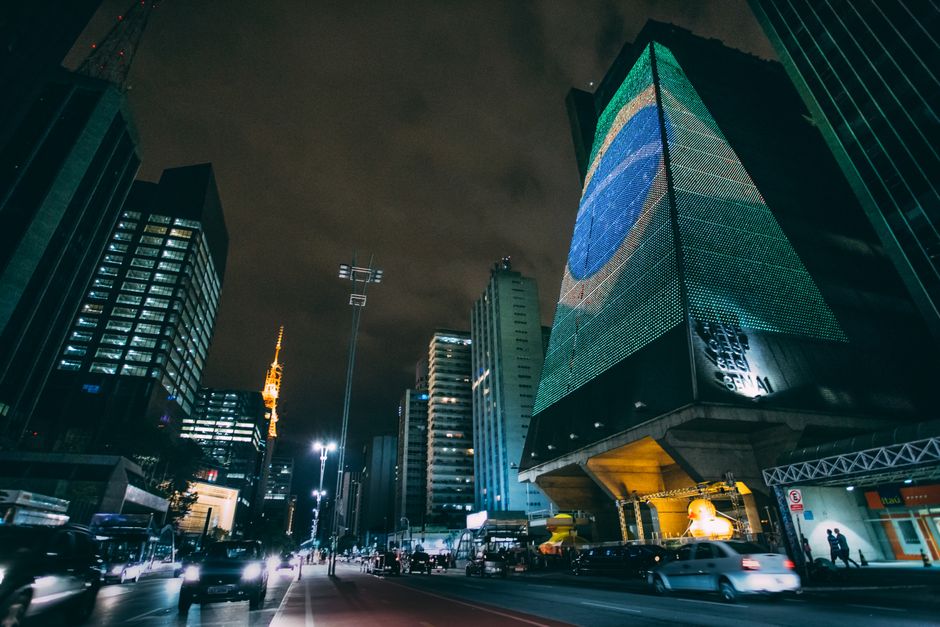
The next decision point is September, when the Câmara Municipal is scheduled to vote on the revised Plano Diretor Estratégico amendments proposed by the Nunes administration. Advocacy groups including Movimento dos Trabalhadores Sem Teto have announced plans to mobilise on Avenida Paulista ahead of that vote. Residents on the waiting list for social housing — the Cadastro Habitacional held by SEHAB currently shows 740,000 registered applicants — will be watching whether the council expands ZEIS zones, the special social-interest zoning designations that mandate affordable units, or quietly shrinks them to accommodate developer pressure. The mathematics of the deficit have never been clearer. Whether the political will matches the arithmetic is the only question left.
How does this story make you feel?
Spread the word
About this article
Published by The Daily São Paulo
Daily brief
Free, in your inbox before 7am. Weekdays.
More in News