Three people died in the Jardim Pantanal neighbourhood during the June rains. Forty-three streets in the Zona Leste flooded in a single weekend. The Tietê River overflowed its banks twice before the solstice. None of this was accidental — it was the accumulation of decades of deferred drainage investment meeting a climate that no longer forgives delays.
São Paulo in July 2026 is a city carrying the weight of decisions made, and not made, across multiple administrations. Understanding why the metropolis of 12.3 million people finds itself simultaneously booming in some corridors and buckling in others requires tracing the policy threads that converged this year.
The Drainage Deficit and Who Owns It
Mayor Ricardo Nunes inherited a drainage master plan — the Plano Diretor de Drenagem Urbana — that city engineers had been warning about since at least 2019. The plan called for R$4.2 billion in infrastructure upgrades across 47 sub-basins, with priority corridors running through Itaquera, Guaianazes and the banks of the Córrego do Aricanduva. Less than 30 percent of that work was contracted by the end of 2025, according to municipal budget documents reviewed by this paper.
The federal government in Brasília, under President Luiz Inácio Lula da Silva, released R$800 million in PAC infrastructure funding earmarked for greater São Paulo flood mitigation in March 2026. City Hall and state engineers spent eleven weeks in negotiations over which agency would hold operational control of the contracts. The rains did not wait. By the time the Secretaria Municipal de Infraestrutura e Obras Urbanas signed the first agreements in late May, the Zona Leste had already logged its worst flooding season since 2010.
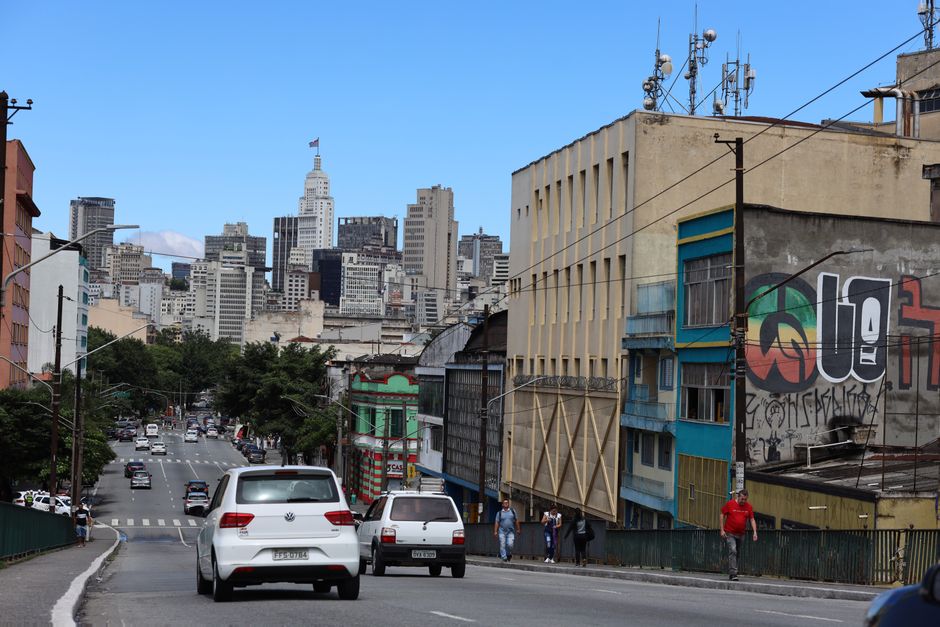
Residents along Avenida Ragueb Chohfi in São Mateus have watched the same underpass fill with water every heavy storm for six consecutive years. Community groups affiliated with the União dos Movimentos de Moradia filed formal complaints with the Ouvidoria Municipal in February and again in April. As of this week, the drainage channel adjacent to the avenue remains unlined.
Tech Unicorns, Paulista, and a Tale of Two Cities
Eight kilometres west, the picture looks entirely different. The Faria Lima corridor and the Vila Olímpia cluster continued their expansion through the first half of 2026. Nubank, headquartered in the Vila Olímpia district, reported a Latin American user base crossing 110 million in its first-quarter earnings. The fintech sector as a whole generated an estimated 14,000 new formal jobs in greater São Paulo between January and May, according to data from the Cadastro Geral de Empregados e Desempregados.
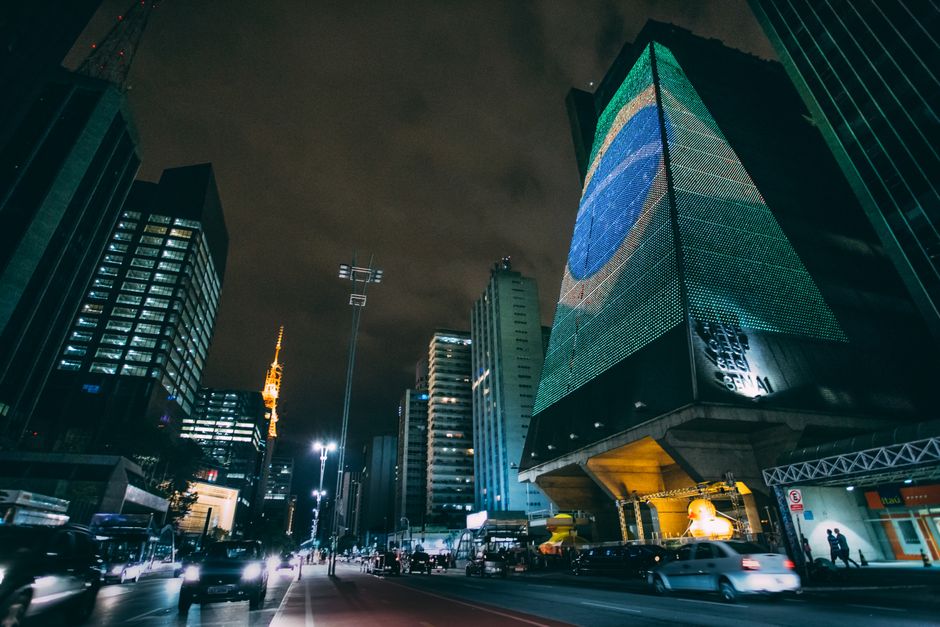
That contrast — gleaming office towers on Avenida Brigadeiro Faria Lima, flooded streets in Guaianazes — has sharpened the political temperature on Avenida Paulista, which has served as the staging ground for at least six major demonstrations since January. The most recent, on June 21, drew an estimated 80,000 people protesting housing costs and municipal service disparities, according to organiser counts; the Military Police put the number at 47,000.
Rental prices in the Pinheiros and Jardins neighbourhoods climbed roughly 18 percent year-on-year through June, per data from the Sindicato da Habitação de São Paulo. Meanwhile, the average commute from Itaquera to the expanded Linha 15-Prata Monotrilho terminus at São Mateus still exceeds 90 minutes for workers headed to Faria Lima — a trip that highlights the unfinished business of the city's transport expansion.
What comes next will depend on whether federal PAC funds actually move through the bureaucracy before the October 2026 municipal budget cycle closes. Residents in flood-prone zones should monitor the Alerta SP early-warning app, which now sends SMS alerts at least 40 minutes before critical thresholds on the Aricanduva and Tamanduateí rivers. City Hall says expanded siren coverage for Zona Leste neighbourhoods will be operational by August. That deadline, like several before it, bears watching.