São Paulo's Budget Crunch: The Numbers Revealing City Hall's Fiscal Reality
New municipal data shows spending constraints reshaping everything from Pinheiros to the periphery—and what the figures tell us about governance ahead.
New municipal data shows spending constraints reshaping everything from Pinheiros to the periphery—and what the figures tell us about governance ahead.
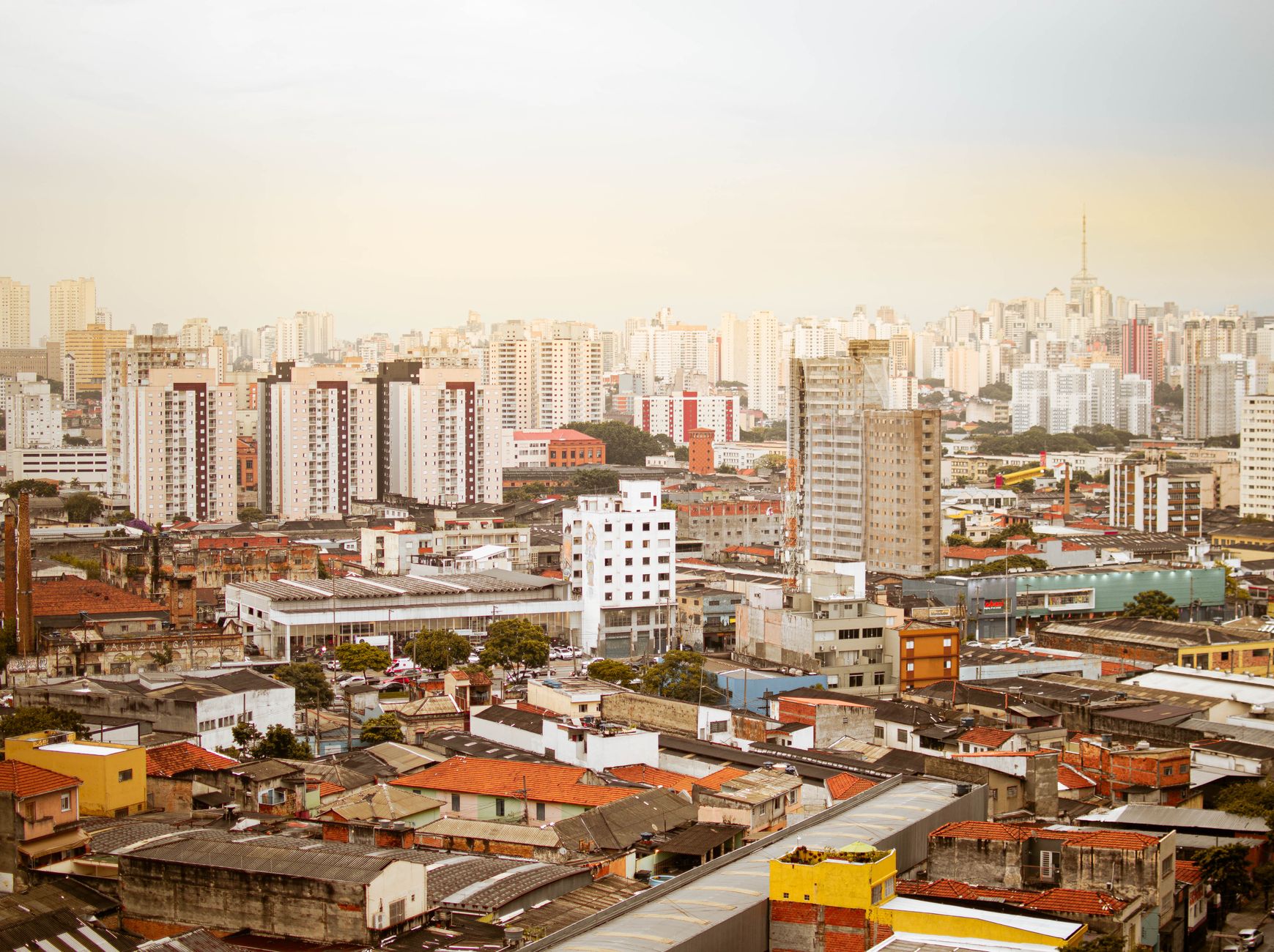
São Paulo's municipal administration released its mid-year budget review last week, and the numbers paint a portrait of a city wrestling with structural fiscal pressures that will shape policy decisions through 2027. The data reveals patterns worth understanding if you want to grasp where City Hall's priorities actually lie—beyond the rhetoric.
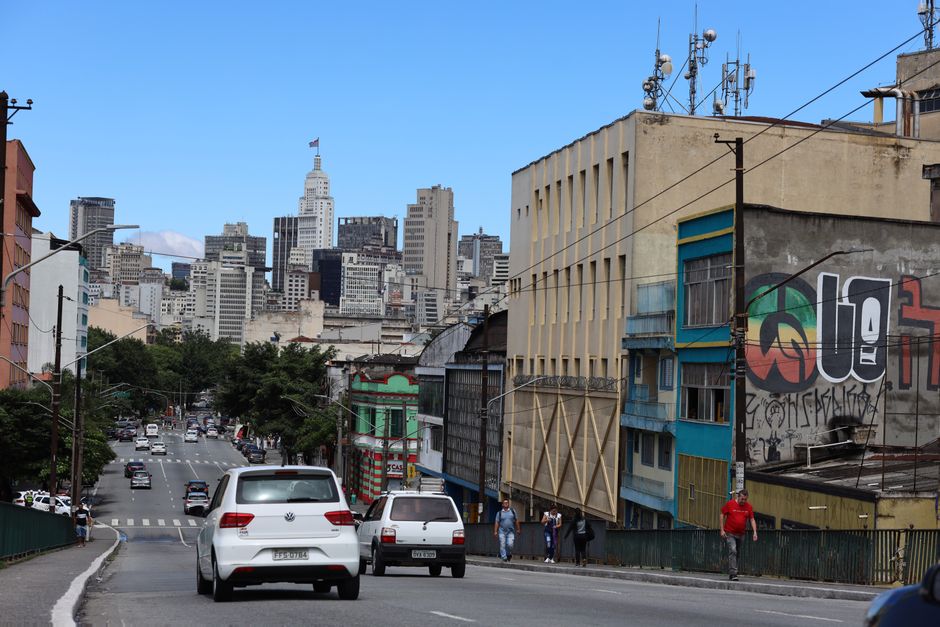
The city's operational budget sits at approximately R$68 billion for 2026, with R$12.3 billion allocated specifically to mobility and urban infrastructure. Yet only 34% of scheduled road resurfacing projects in the central-south zone—covering areas from Vila Mariana to Consolação—have been completed by the June deadline, according to municipal engineering reports. Compare this to the north zone completion rate of 41%, and the disparity suggests resource distribution decisions that favour certain regions.
Transit spending tells another story. The city's bus fleet maintenance budget increased 7.2% year-on-year to R$2.1 billion, yet average fleet age rose to 8.4 years—the oldest average in a decade. The São Paulo Company of Metropolitan Buses (SPTrans) operates 14,600 vehicles citywide, down from 15,200 five years ago. With passenger trips averaging 5.8 million daily across the network, the declining fleet size against sustained demand creates operational bottlenecks that statistics alone cannot capture.
Social programs reveal a different calculus. The municipal education budget consumed R$18.7 billion—the largest single allocation—supporting 3,047 municipal schools serving 1.3 million students. Yet per-student spending averages R$14,385 annually, substantially below the R$18,200 benchmark recommended by education researchers. Disparities between central and peripheral zones remain stark: schools in Butantã and Pinheiros report average infrastructure investment of R$890,000 annually, versus R$340,000 in Grajaú and Parelheiros.
Housing and social assistance programs absorbed R$3.2 billion, addressing a city where 2.1 million people live in precarious settlements. The city's social housing production target was 12,000 units this fiscal year; as of June 30, 4,847 units reached completion—a 40% achievement rate that will require dramatic acceleration.
Perhaps most tellingly: administrative and overhead costs consumed R$8.9 billion, representing 13.1% of total spending. This figure has grown consistently faster than service delivery investments, a trend municipal auditors flagged in their recent report.
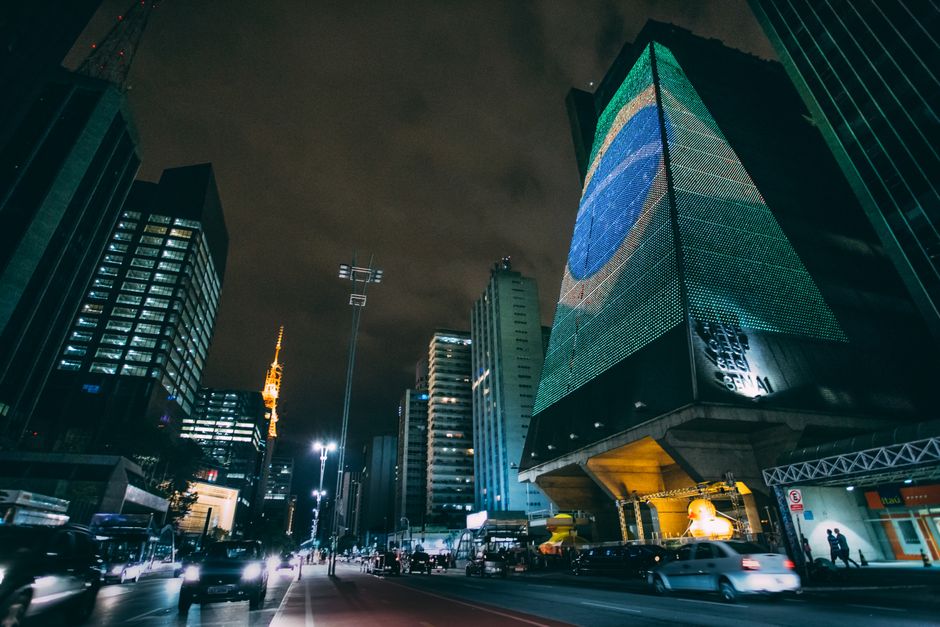
These numbers don't make headlines easily. They don't grab attention like a street protest or a political scandal. But for residents navigating potholes on Avenida Paulista, waiting 45 minutes for a bus in the eastern periphery, or hoping their child's public school receives basic upgrades, these are the figures that matter most.
This article was compiled by AI and screened before publishing. See our editorial standards.
How does this story make you feel?
Spread the word
About this article
Published by The Daily São Paulo
Daily brief
Free, in your inbox before 7am. Weekdays.
More in News