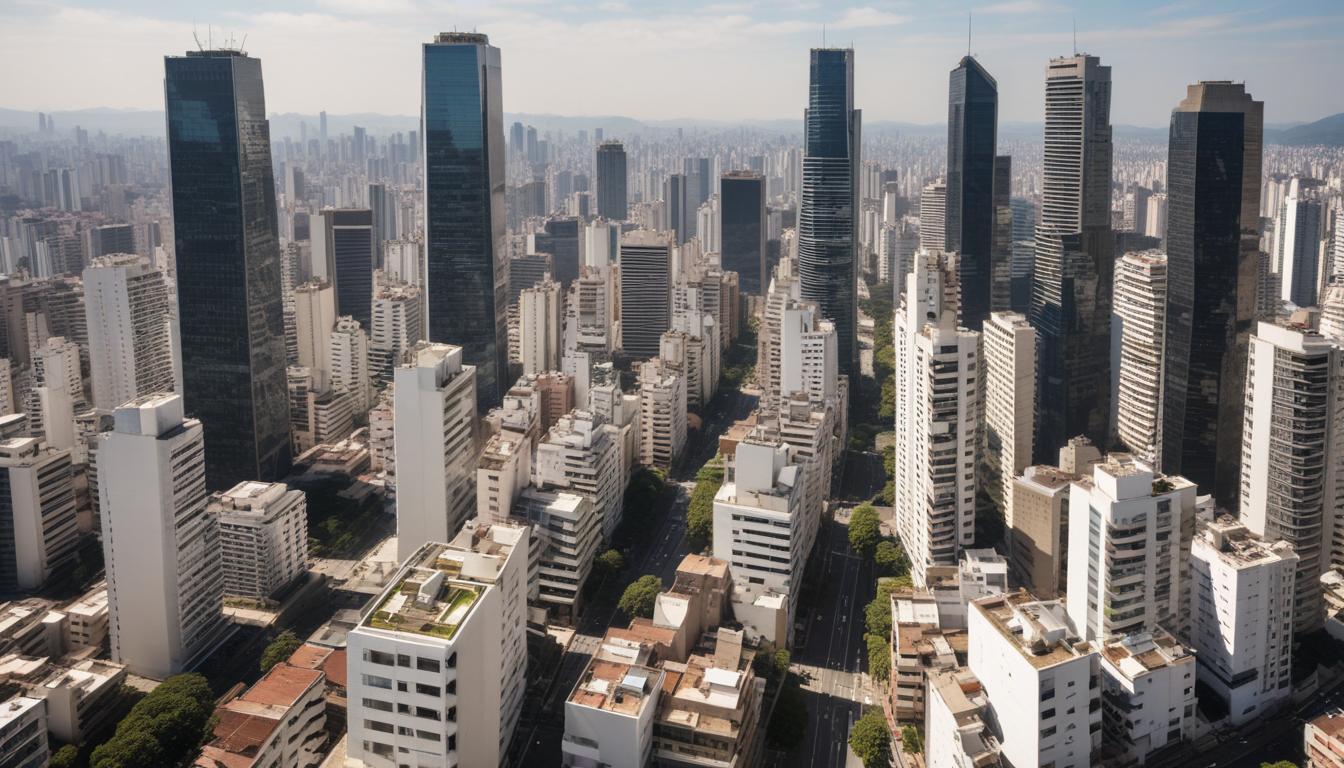
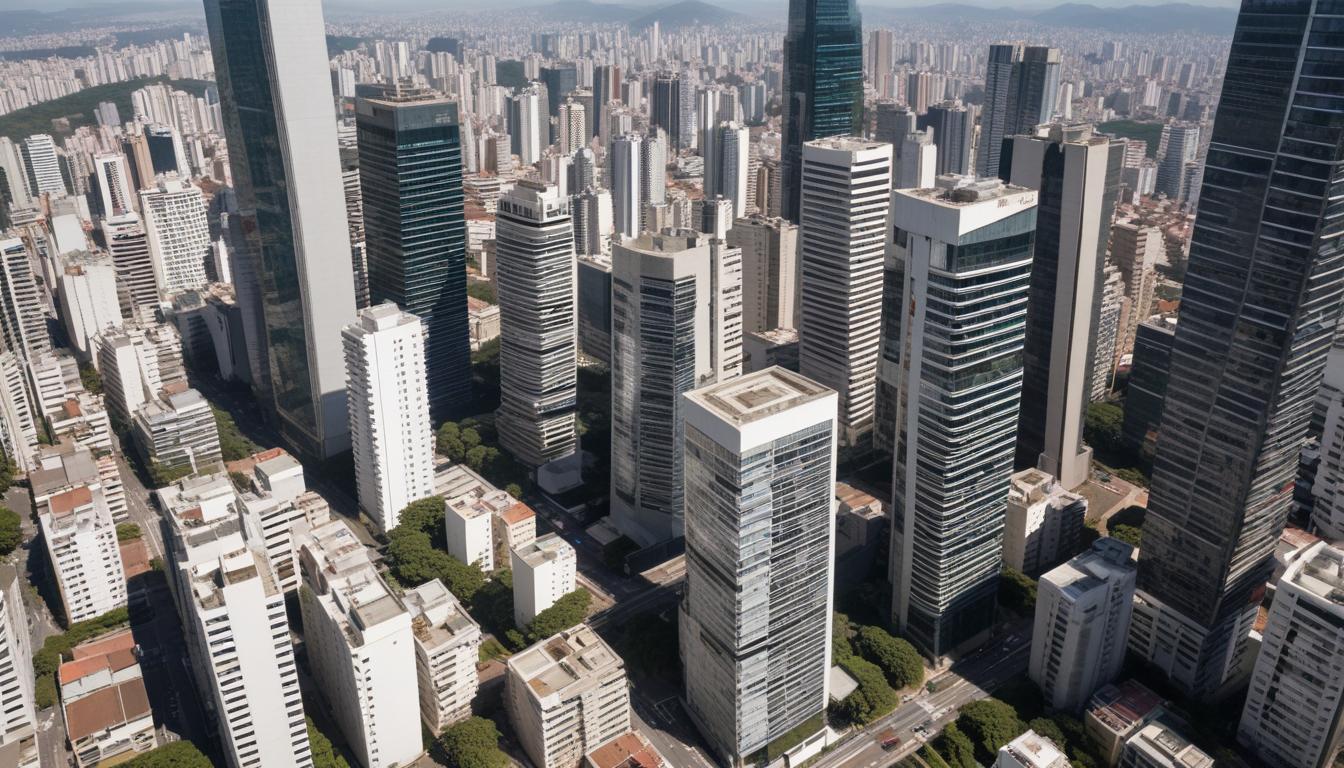
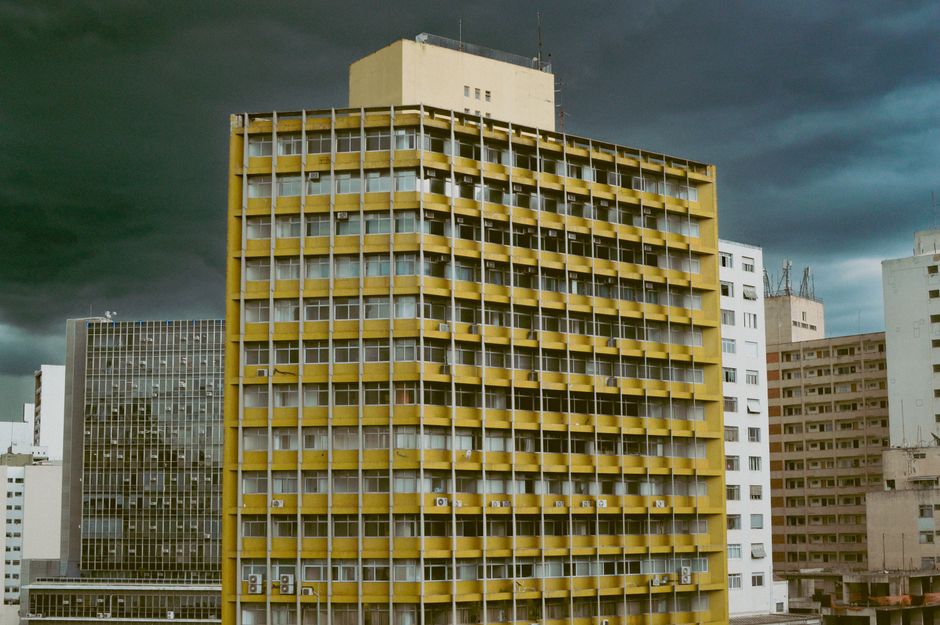
São Paulo's Tourism Sector Battles Currency Headwinds and Regional Competition in 2026
As the real weakens against major currencies and competing destinations gain ground, the city's hospitality industry faces its toughest year in a decade.
As the real weakens against major currencies and competing destinations gain ground, the city's hospitality industry faces its toughest year in a decade.
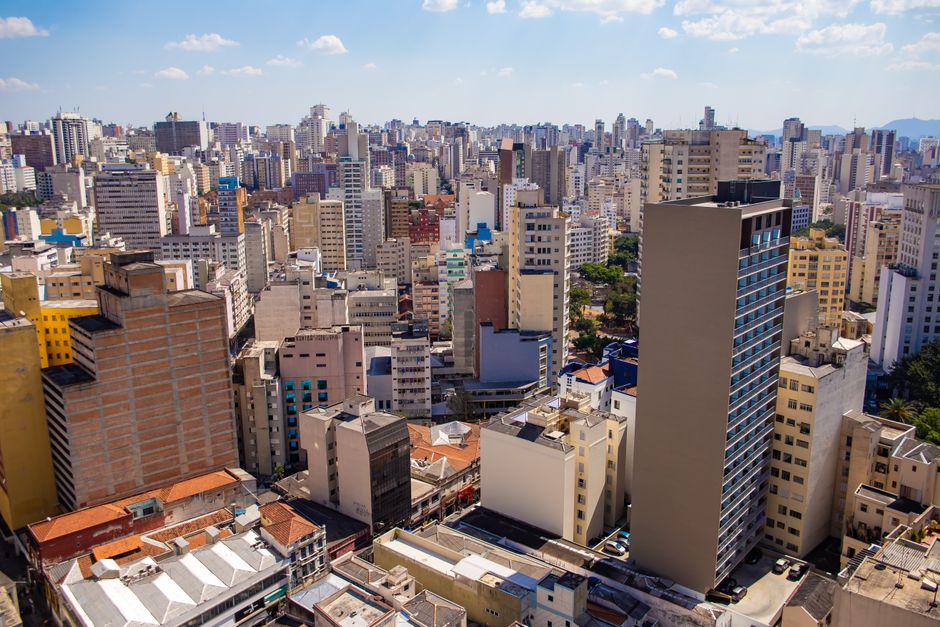
São Paulo's tourism sector is confronting a perfect storm of economic headwinds that threatens to derail what has been a decade-long recovery story. Hotel occupancy rates in the central business district and around Avenida Paulista have softened to 62% in the first half of 2026, down from 71% last year, according to data from the Brazilian Hotel Industry Association (ABIH). Meanwhile, average daily rates have stagnated, hovering around R$450 per night at mid-range establishments—a decline in real terms when adjusted for inflation.
The primary culprit is currency volatility. With the real trading near 5.2 against the dollar—marking a 12% depreciation in the past eighteen months—São Paulo's international competitiveness has paradoxically weakened. While cheaper prices might seem advantageous, they have instead triggered supplier cost inflation and operational challenges. Hotels from Vila Madalena to Pinheiros report that international tour operators have redirected bookings toward Buenos Aires and Asunción, where the combined effect of currency movements and existing promotional campaigns has made those destinations more attractive for American and European visitors.
Regional travel patterns have also shifted. Airlines serving São Paulo's domestic routes have reported declining business travel volumes, typically the sector's most reliable revenue driver. Corporations across the financial hubs of Itaim and Zona Cerealista have slashed travel budgets amid broader economic caution. Meanwhile, weekend leisure tourism—which traditionally fills museums like MASP and restaurants across Bom Retiro and Liberdade—faces competition from emerging alternatives in lesser-developed regions now offering Instagram-worthy experiences at lower price points.
The Convention Bureau estimates that major conferences scheduled for later this year will generate approximately 180,000 room nights, compared to 240,000 in 2025. Tourism operators in neighborhoods like Consolação and Santa Cecília, which depend on event tourism, have begun consolidating services or cutting staff.
Infrastructure challenges compound the difficulties. Ongoing construction on Avenida 9 de Julho and congestion around the Imigrantes Highway have frustrated visitors, while some cultural venues, including periodic closures at the Pinacoteca do Estado for renovations, have limited attractions. Public safety concerns, though statistically stable, remain a persistent perception issue in marketing materials overseas.
Yet industry leaders remain cautiously optimistic. Investments in the Metro system expansion and upcoming World Cup-adjacent tourism infrastructure spending could yet reverse the trend. For now, however, São Paulo's tourism economy faces its most challenging year since 2016, requiring both strategic adaptation and policy support to reignite visitor interest.
This article was compiled by AI from the sources linked above and screened before publishing. See our editorial standards.
How does this story make you feel?
Spread the word
About this article
Published by The Daily São Paulo
Daily brief
Free, in your inbox before 7am. Weekdays.
More in Business