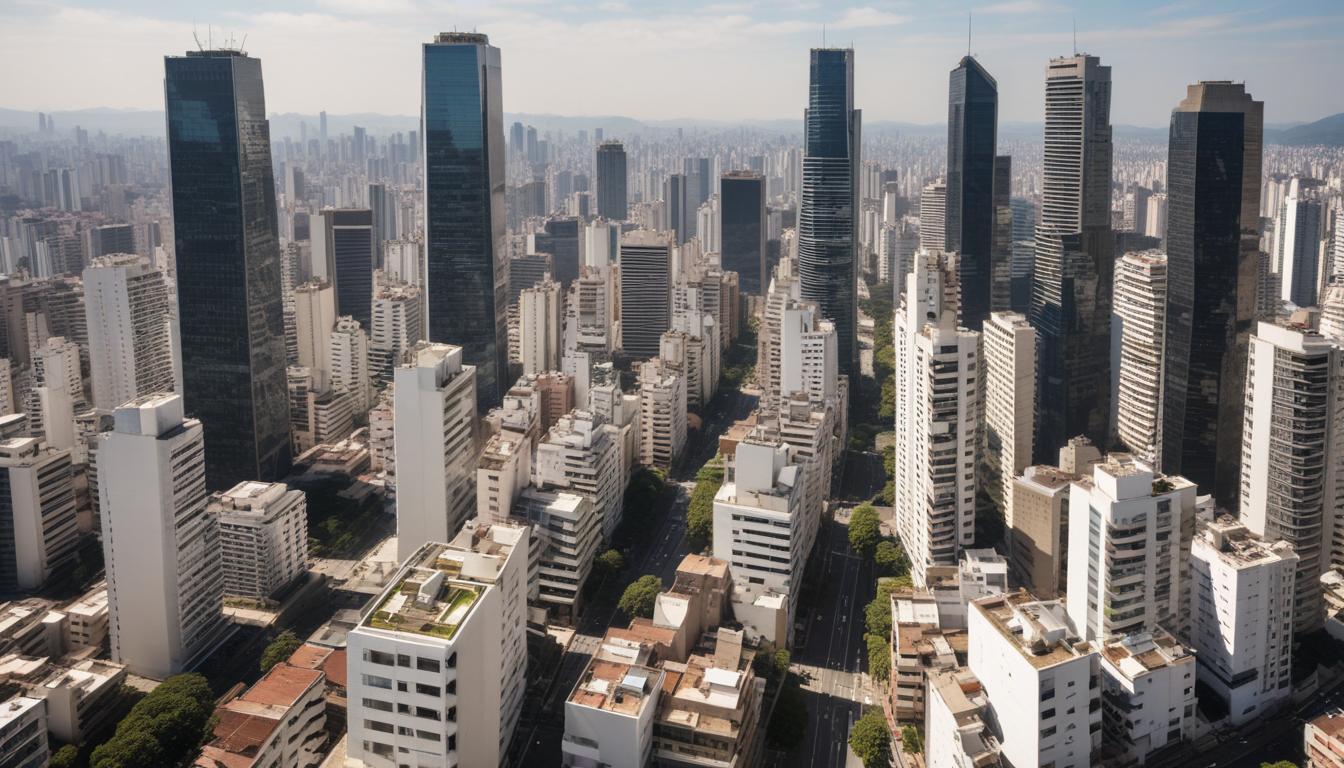
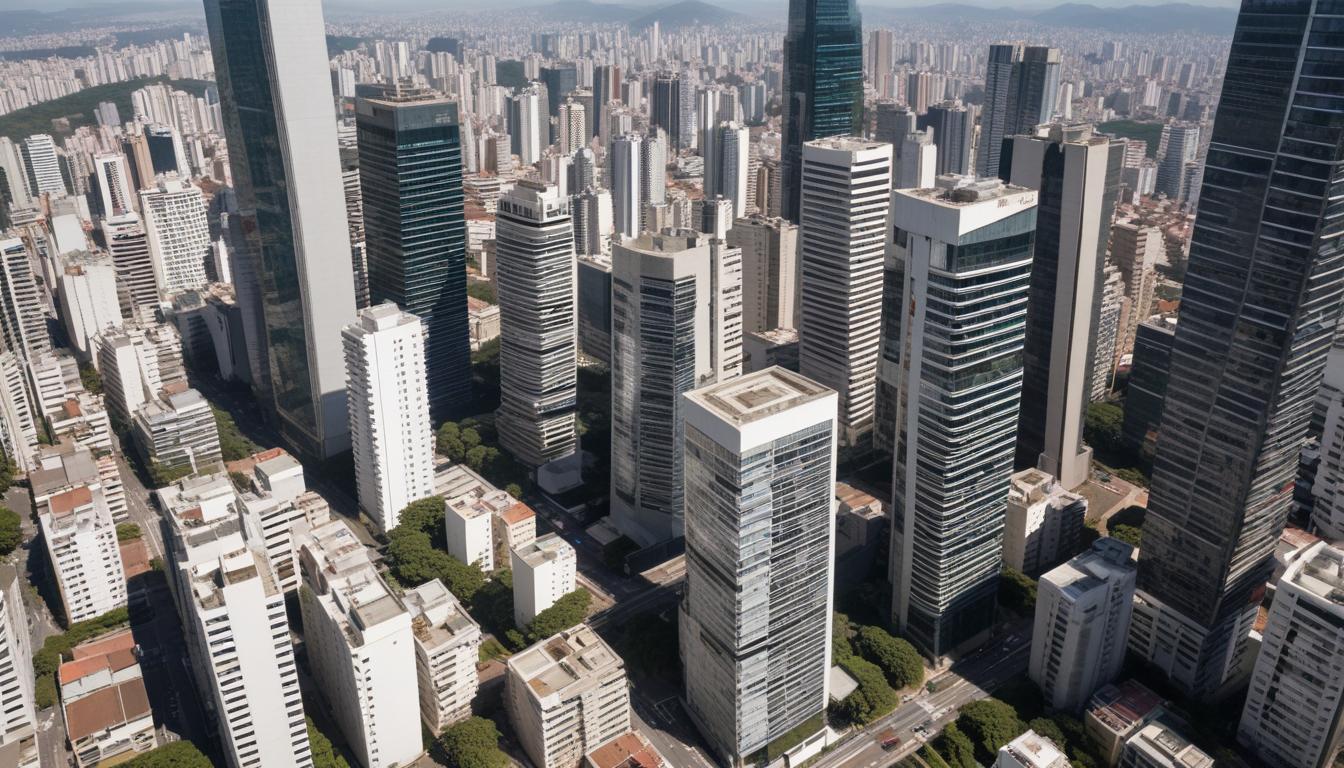
São Paulo's commercial real estate market is experiencing a fundamental reset. The rigid, nine-to-five office model that dominated Avenida Paulista and the financial spine of Vila Mariana for decades is fracturing, creating pockets of genuine opportunity for investors nimble enough to adapt.
The data tells a striking story. Traditional Class A office occupancy rates in central business districts have stabilised at around 78–82%, down from the mid-90s five years ago. Simultaneously, flexible workspace operators report expansion targets up 40% year-over-year, with operators like Regus and newer Brazilian platforms signing major leases in secondary submarkets such as Pinheiros and Itaim Bibi, where rents run 30–40% below trophy addresses.
The structural shift is unmistakable. Large corporations—particularly tech firms, professional services, and shared-services operations—are fragmenting their real estate footprints. Rather than leasing entire floors on Paulista, many now blend hotelling arrangements with satellite hubs, reducing their committed square footage by 20–35%. This creates a two-tier market: prime trophy space remains stable, but mid-market inventory is vulnerable.
Where opportunity emerges is precisely in this middle tier. Property owners who can reposition aging B and C-grade stock—particularly in transit-adjacent corridors like Consolação, Vila Olimpia, and along the Linha Amarela proximity—are discovering powerful tailwinds. Renovation-to-flexspace conversions typically yield 8–12% gross yields, versus 4–5% for conventional leasing, according to local market analysts.
Established Brazilian real estate firms with capital and existing tenant relationships are already benefiting. Several have launched internal flex-space divisions or partnered with international operators to rapidly convert portfolios. International pension funds and sovereign wealth entities, historically cautious about São Paulo commercial, are also re-entering, targeting exactly these repositioning plays with patient capital.
The wildcard advantage goes to smaller, locally-anchored operators—construction firms, property management companies, and entrepreneurial developers—who understand Paulista's neighbourhood rhythms and have existing relationships with mid-market corporate users. These players can move faster on pilot projects and co-leasing arrangements than large institutional funds.
What remains uncertain is duration. If remote work stabilises at current penetration rates (estimates suggest 35–45% of office workers maintaining hybrid or fully remote arrangements), the repositioning opportunity could sustain for 3–5 years. If it deepens further, traditional office supply could face secular headwinds. Either scenario favours operators who act decisively in 2026–2027, before the market fully reprices risk.
The São Paulo office market is rewarding adaptation, not inertia. Those already moving capital into flex and hybrid-ready repositioning are building optionality others will be forced to chase.
This article was compiled by AI from the sources linked above and screened before publishing. See our editorial standards.