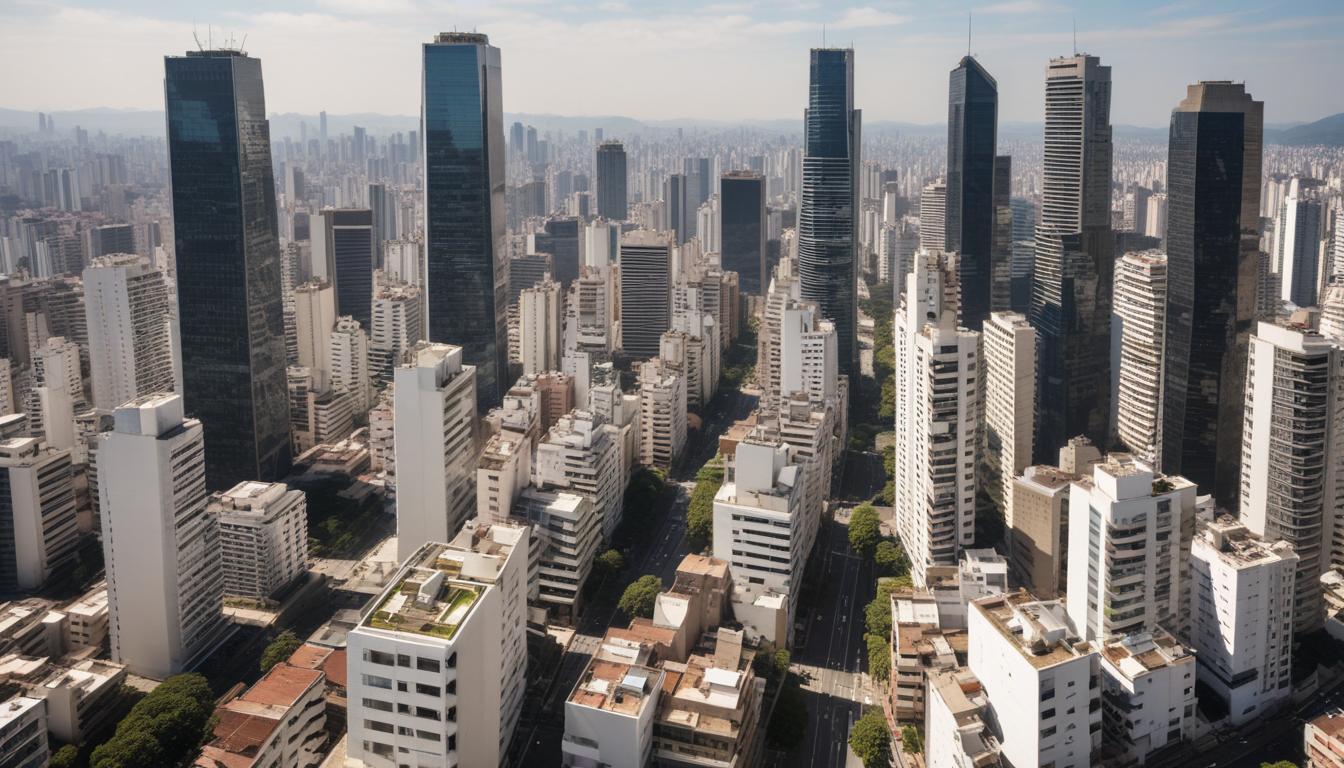
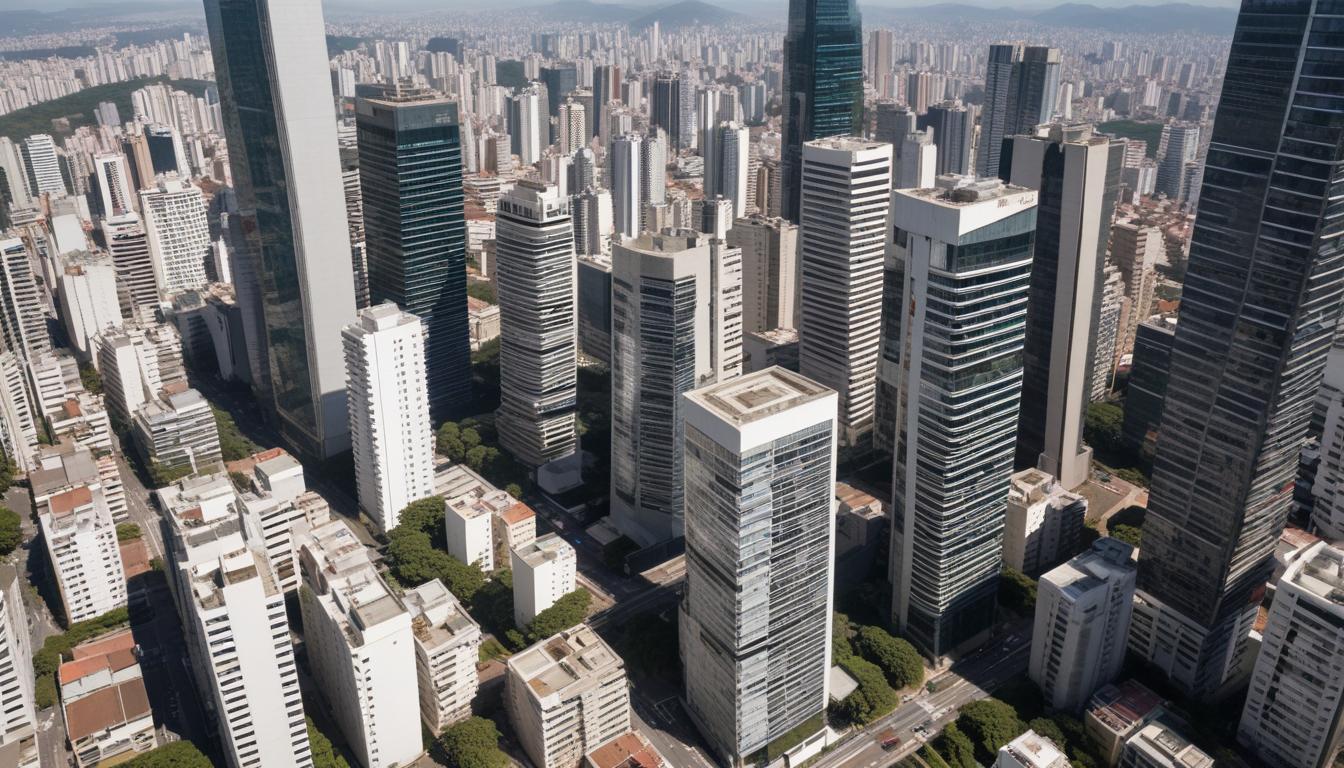
São Paulo's business establishment faces a critical inflection point. With geopolitical instability intensifying across multiple regions—from Middle Eastern negotiations to African health emergencies affecting trade corridors—the city's export-dependent sectors must act swiftly to protect margins and market access.
The real has already absorbed pressure from broader emerging-market uncertainty. Companies operating from the commercial hubs along Avenida Paulista and in the Vila Mariana financial district are contending with freight costs that have climbed 8-12% in recent weeks, driven by shipping route diversions and insurance premium spikes. The Strait of Hormuz—through which roughly one-fifth of global oil passes—remains a flashpoint, directly affecting energy prices that cascade through manufacturing and logistics networks.
For agribusiness firms headquartered near the Berrini complex, the calculus is shifting. Brazilian agricultural exports, particularly soy and coffee destined for Asian and European markets, face emerging supply-chain recalculations. Port congestion at Santos, despite recent improvements, could worsen if African trade disruptions force unexpected cargo rerouting. Industry contacts at major trading houses report that forward contracts for Q3 delivery are moving at tighter margins than six months ago.
The pharmaceutical and automotive sectors—São Paulo's traditional strengths—confront different headwinds. Component sourcing from conflict-adjacent regions is becoming riskier, prompting several multinational operations in the ABC region to explore nearshoring strategies with Brazilian suppliers. One electronics components distributor in Mooca noted that lead times from Asia have extended by two weeks on average, reshaping just-in-time inventory assumptions.
Currency volatility is proving the most immediate concern. The real's fluctuations against the dollar are widening profit forecasts for exporters, making hedging strategies essential rather than optional. Financial advisors at institutions along Rua Itu recommend that mid-market firms review their currency exposure urgently, particularly those with dollar-denominated debt.
The broader lesson is tactical: businesses cannot assume stable geopolitical conditions. Companies with operations in the Zona Franca de Manaus or those shipping through Port of Santos should stress-test their supply chains now, diversify supplier bases where feasible, and lock in favorable freight and insurance rates before further volatility hits. Those dependent on specific geographic markets—particularly energy-intensive industries—should reassess their exposure to regions where political risk premiums are widening. The next six months will separate nimble operators from those caught flat-footed by forces beyond São Paulo's control.
This article was compiled by AI from the sources linked above and screened before publishing. See our editorial standards.