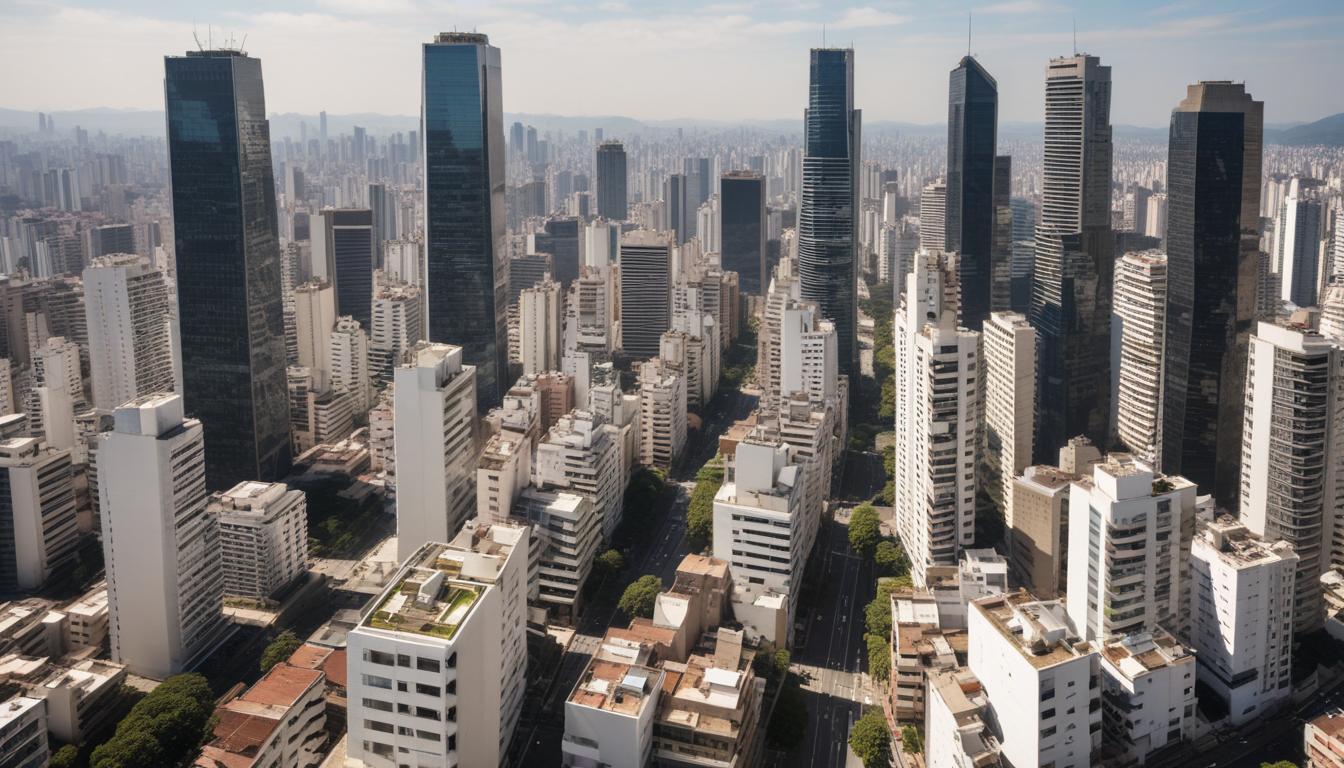
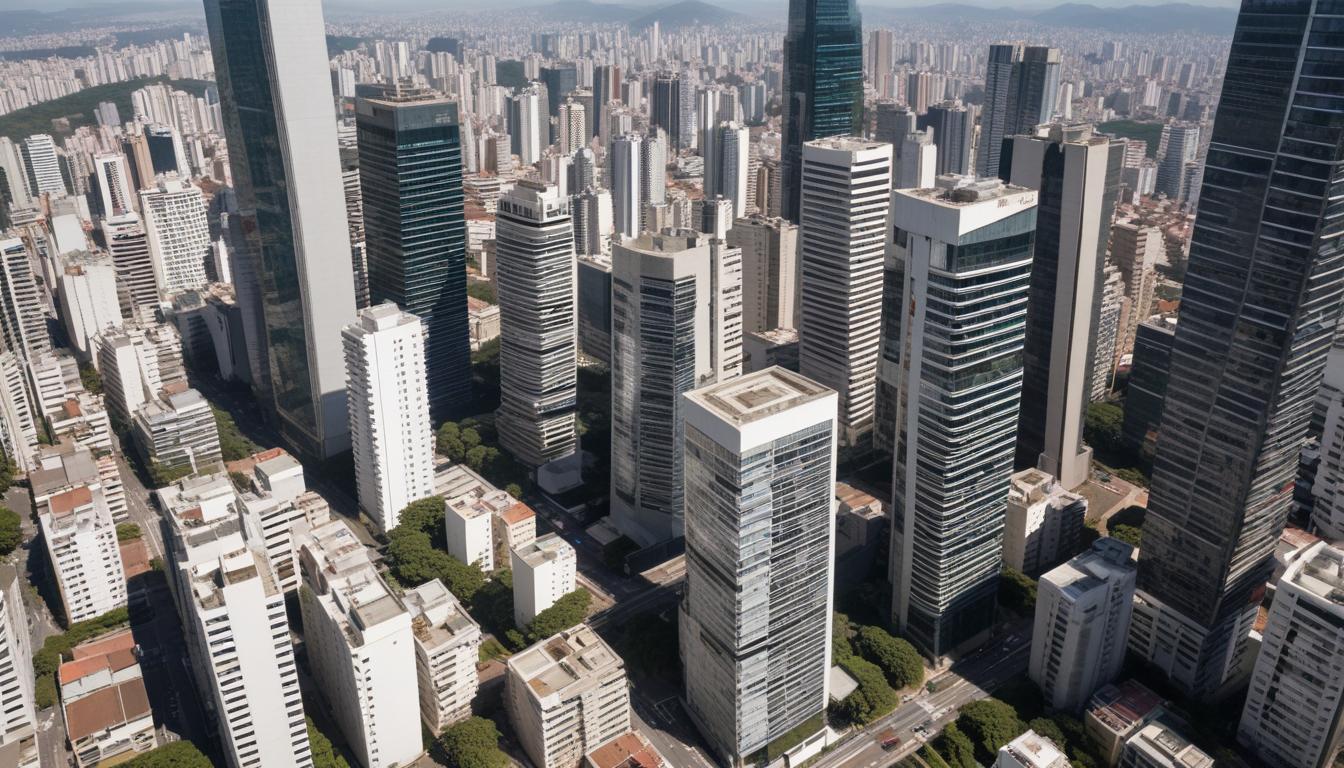
While Brazil's inflation rate hovers around 4.2 percent and São Paulo's rental prices in prime neighbourhoods like Vila Mariana and Pinheiros continue their upward trajectory, a growing cohort of fintech entrepreneurs is stepping into the breach. These innovators are building solutions designed specifically for the challenges facing São Paulo's squeezed middle class—families earning between R$4,000 and R$12,000 monthly who struggle with cost-of-living pressures despite professional stability.
One notable player launching operations from a coworking space near Avenida Paulista is addressing a gap in personal finance management that traditional banks have largely ignored. Rather than targeting high-net-worth individuals or the unbanked poor, this entrepreneur's platform focuses on the R$150 billion annually spent by middle-income São Paulistas on utilities, groceries, and transportation—categories where savings of even 8 to 12 percent could meaningfully alter household budgets.
The timing is strategic. A recent consumer survey revealed that 67 percent of professionals in São Paulo's financial services and tech sectors report difficulty maintaining savings habits, with rent consuming 35 to 42 percent of monthly income in central zones. Simultaneously, alternative investment vehicles—from cryptocurrency to microfinance cooperatives—have proliferated, fragmenting where families place their trust.
What distinguishes this wave of entrepreneurs is their hyper-local approach. Rather than importing Silicon Valley playbooks wholesale, they're embedding themselves in São Paulo's neighbourhoods—from the startup clusters in Pinheiros to the residential communities of Tatuapé and Butantã—to understand granular spending patterns. One founder conducted six months of interviews at markets along Rua 25 de Março before designing cash-flow tools tailored to small-business owners navigating supplier relationships.
Investment has followed. Venture capital firms focused on Brazil's emerging markets have deployed R$180 million into fintech startups in São Paulo during 2025-2026, a 24 percent increase from the previous cycle. Crucially, much of this capital is staying local rather than concentrating in Rio or Brasília, signalling confidence in the city's entrepreneurial ecosystem.
The broader implication is clear: as traditional banking institutions move upmarket and government stimulus remains constrained, São Paulo's business landscape is generating homegrown solutions. For a city where cost-of-living pressures increasingly define economic conversations, these entrepreneurs represent both opportunity and necessity—a reminder that innovation often emerges not from boardrooms, but from the lived experience of struggling to make ends meet in one of Latin America's most expensive cities.
This article was compiled by AI from the sources linked above and screened before publishing. See our editorial standards.