Why São Paulo's Office Boom Affects Your Rent, Your Job, and Your Neighborhood
As commercial property transforms districts like Pinheiros and Vila Mariana, everyday residents face rising costs, changing commutes, and shifting community character.
As commercial property transforms districts like Pinheiros and Vila Mariana, everyday residents face rising costs, changing commutes, and shifting community character.
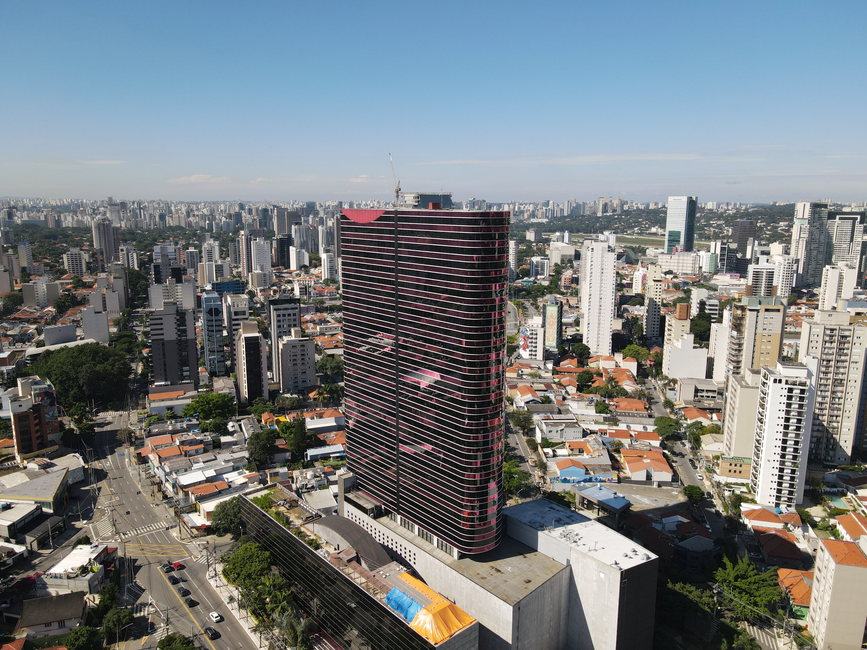
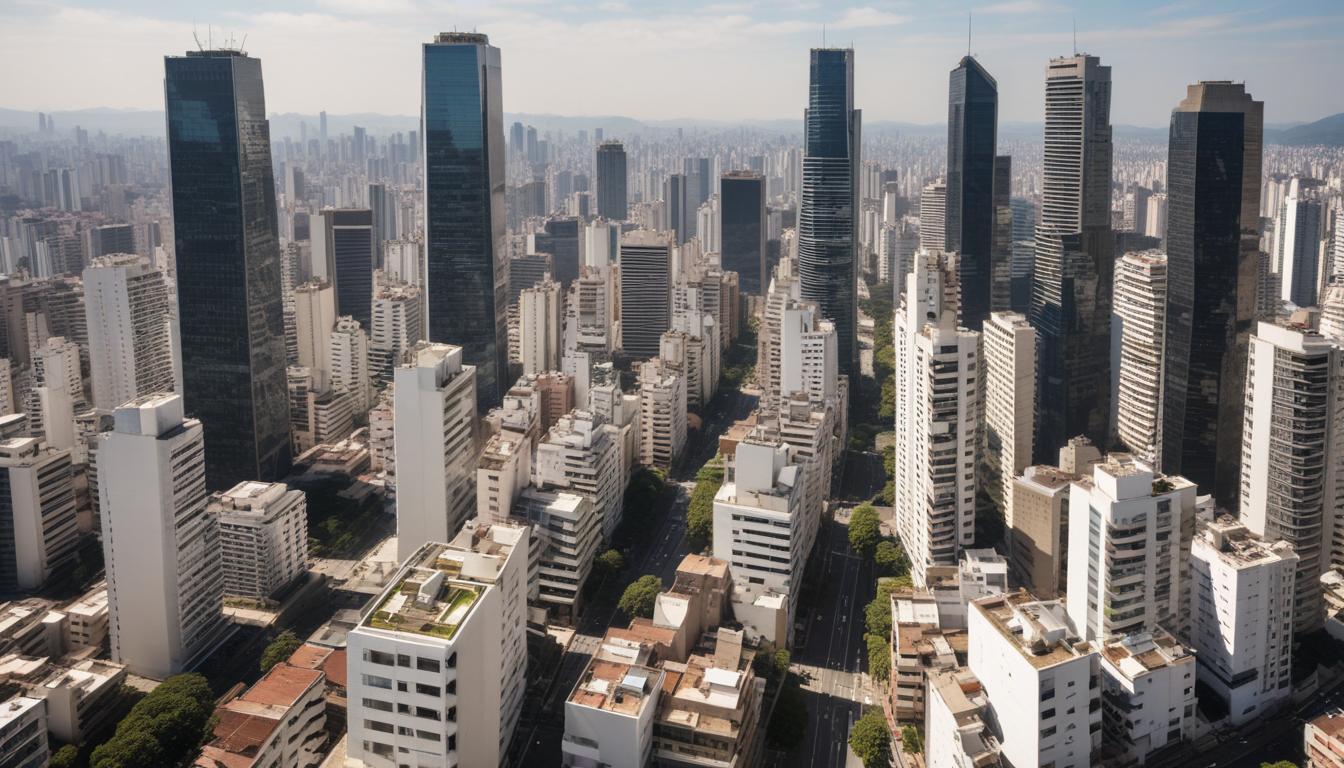
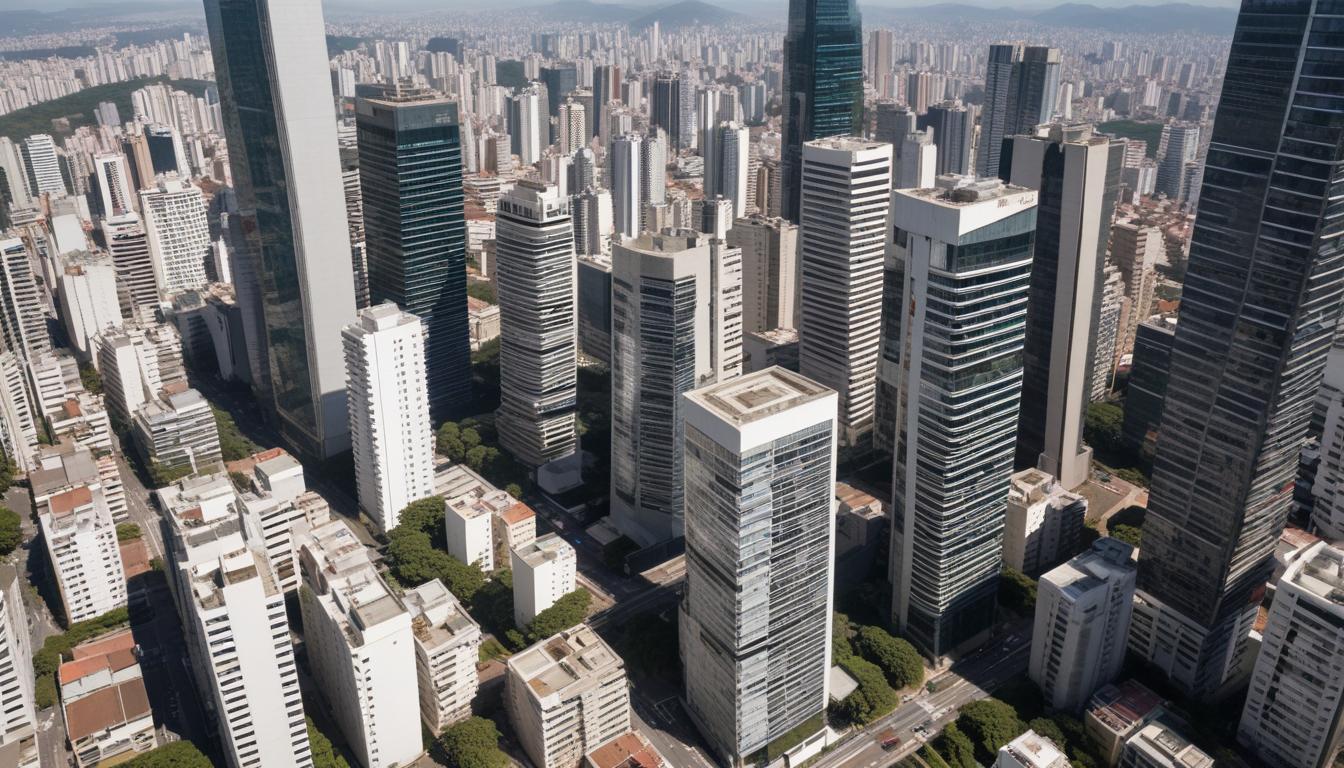
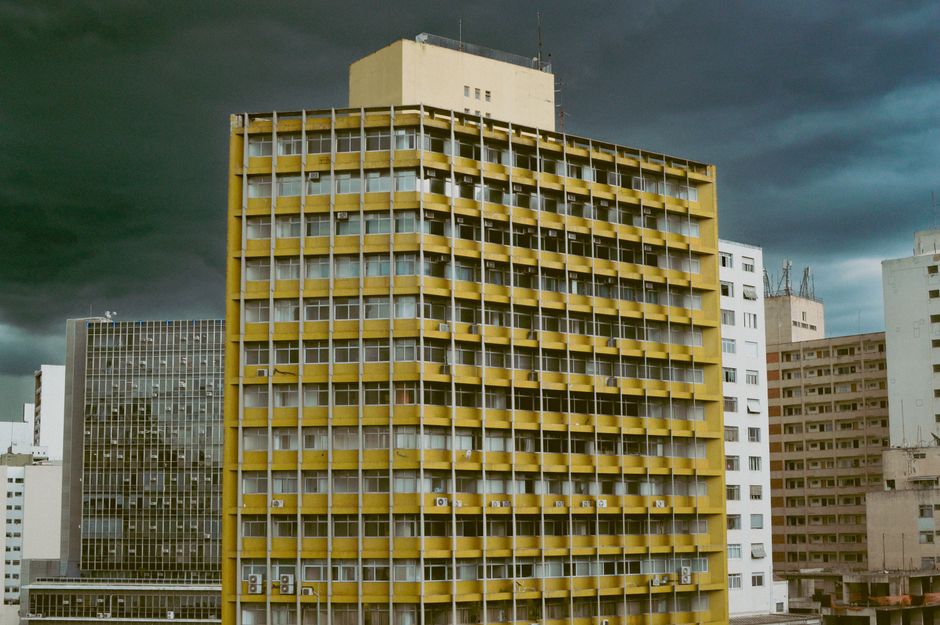
São Paulo's commercial real estate market is undergoing rapid transformation, but most residents don't realize how directly it touches their daily lives. The surge in office development isn't just about corporate profits—it's reshaping neighborhoods, inflating costs, and reshuffling how millions of people live and work across Brazil's largest metropolitan area.
Start with the neighborhood effect. Pinheiros, once a residential stronghold west of the city center, has seen commercial property values nearly double since 2023 as tech companies and consulting firms migrate from congested Paulista Avenue. This sounds positive—jobs, investment, vitality. But it comes with consequences. Residential rents in Pinheiros have climbed 18-22 percent annually, according to local property surveys, squeezing middle-class families toward outer zones like Tatuapé and Itaim Paulista. Longtime residents watch their neighborhoods gentrify while younger workers face longer commutes.
The office glut also matters for job seekers and employees. With major corporations consolidating headquarters—particularly in corridors spanning Faria Lima through Vila Mariana—competition for positions intensifies while salaries in certain sectors stagnate. Remote work policies that seemed permanent two years ago are reversing. Many companies now demand three to four days on-site, forcing workers to factor transportation, childcare timing, and housing proximity into employment decisions they couldn't control.
Commercial development carries hidden infrastructure costs too. Neighborhoods absorbing new office towers face strains on parking, local transit, and utilities. The metro and bus systems serving Pinheiros and Vila Mariana operate near capacity during rush hours—consequences of office concentration that individual commuters absorb as crowded trains and delayed arrivals.
There's also the retail dimension. Ground-floor commercial spaces that once housed neighborhood pharmacies, bakeries, and lunch spots are increasingly replaced by corporate service providers—expensive cafés, dry cleaners targeting office workers, chain restaurants. Residents lose affordable local commerce; the neighborhood becomes optimized for daytime corporate workers rather than the people who actually live there.
Investors and property owners certainly benefit. Commercial property in central zones commands premiums far exceeding residential valuations. But residents need to understand this market shift as more than abstract economics. It determines whether you can afford your neighborhood, how long your commute becomes, what stores your children pass on the walk to school, and whether the São Paulo you inhabit tomorrow resembles the city you knew yesterday.
This article was compiled by AI from the sources linked above and screened before publishing. See our editorial standards.
How does this story make you feel?
Spread the word
About this article
Published by The Daily São Paulo
Daily brief
Free, in your inbox before 7am. Weekdays.
More in Business