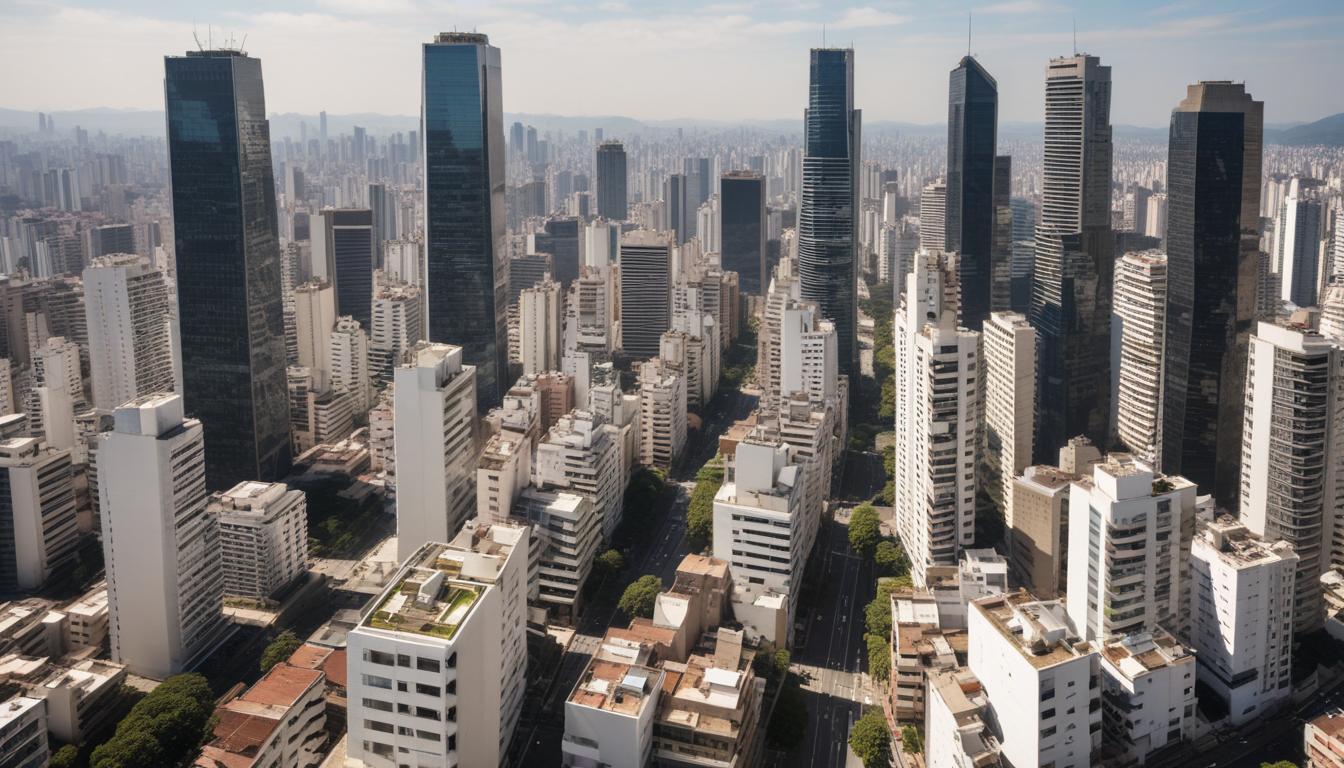
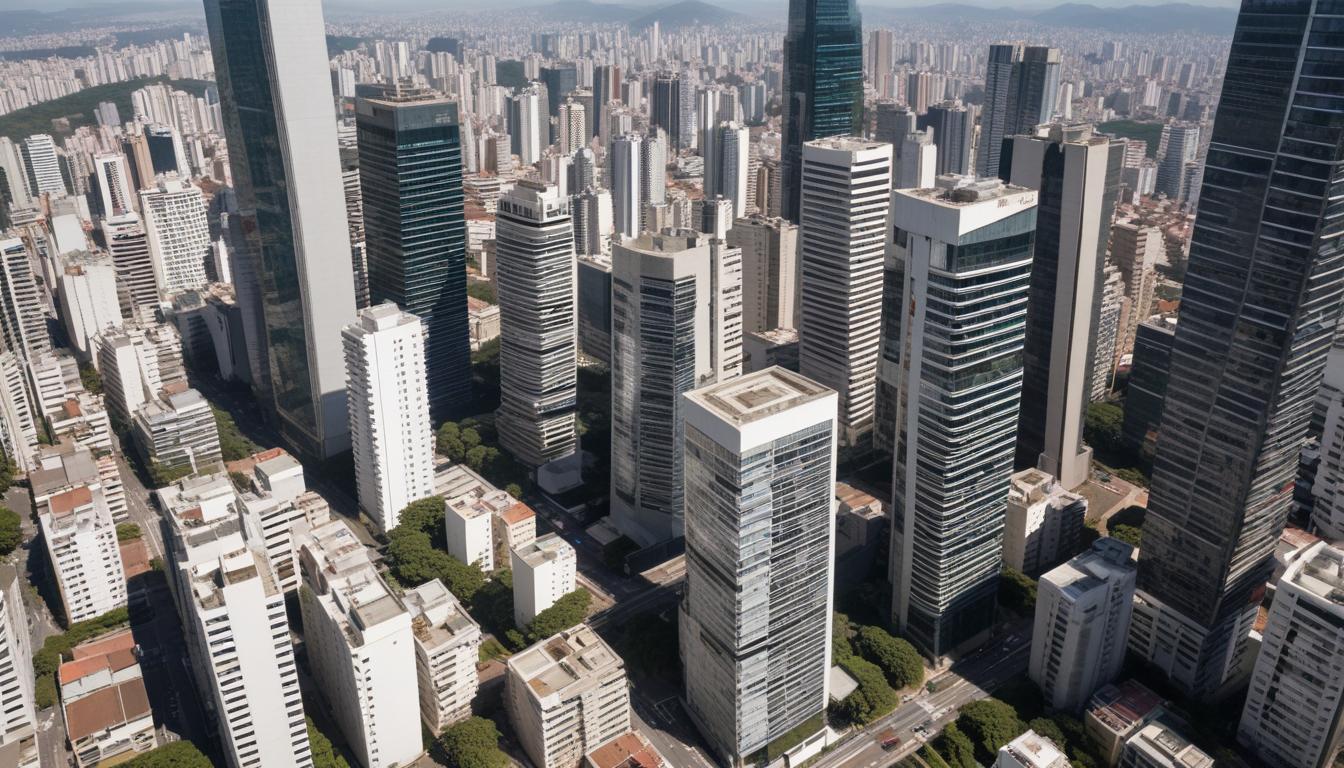
São Paulo's job market is undergoing a seismic shift that extends far beyond office occupancy rates. The permanent adoption of remote and hybrid work arrangements by major employers—from financial services giants clustered around Avenida Paulista to tech firms in Vila Mariana—is fundamentally reshaping where talent chooses to live, work, and build careers in Brazil's largest city.
The numbers tell a striking story. According to recent labour market surveys, approximately 38 per cent of São Paulo's white-collar workforce now operates on hybrid or fully remote arrangements, a figure that was virtually unthinkable before 2020. This shift is draining traditional employment corridors while creating unexpected opportunities in outlying areas like Alphaville, Barueri, and even satellite cities within the metropolitan region.
"We're seeing a fundamental decoupling of talent from geography," says the labour analytics division at the Chamber of Commerce of Brazil. Companies that once required daily commutes to Paulista Avenue or the financial hub around Rua Confeitaria are now competing for talent across state lines. Salaries for remote-capable roles in software development and financial analysis have risen 12 to 15 per cent year-over-year, even as downtown commercial real estate values soften.
The implications cascade through São Paulo's neighbourhoods. Demand for co-working spaces in Pinheiros and Vila Madalena has surged, as remote workers seek occasional collaboration venues within their communities. Coffee shops from Vila Mariana to Consolação now advertise reliable Wi-Fi and extended hours as competitive advantages. Meanwhile, premium office towers in Centro and Paulista face mounting vacancy challenges, with some landlords converting upper floors into residential units.
The talent drain extends to recruitment itself. Tech startups and mid-sized companies report increasing difficulty attracting staff willing to commute extended distances for in-office days. Those based outside traditional business districts—particularly in Zona Leste areas like Itaquera—now find themselves competitive for the first time, capable of recruiting specialists who previously wouldn't consider employment there.
Training institutions have taken notice. Bootcamps and professional development centres are expanding capacity in suburban neighbourhoods, recognising that talent development no longer needs to concentrate in Paulista. Universities like USP and Mackenzie report growing demand for evening and online programmes among professionals who no longer need to base themselves downtown.
For jobseekers, the reshuffling presents both opportunity and challenge. While geographical constraints have eased, competition has intensified. Candidates across Brazil now compete directly for São Paulo roles, forcing locals to sharpen technical credentials and specialisations to remain competitive. The trend signals a fundamental recalibration of how this megacity functions as an employment centre.
This article was compiled by AI from the sources linked above and screened before publishing. See our editorial standards.