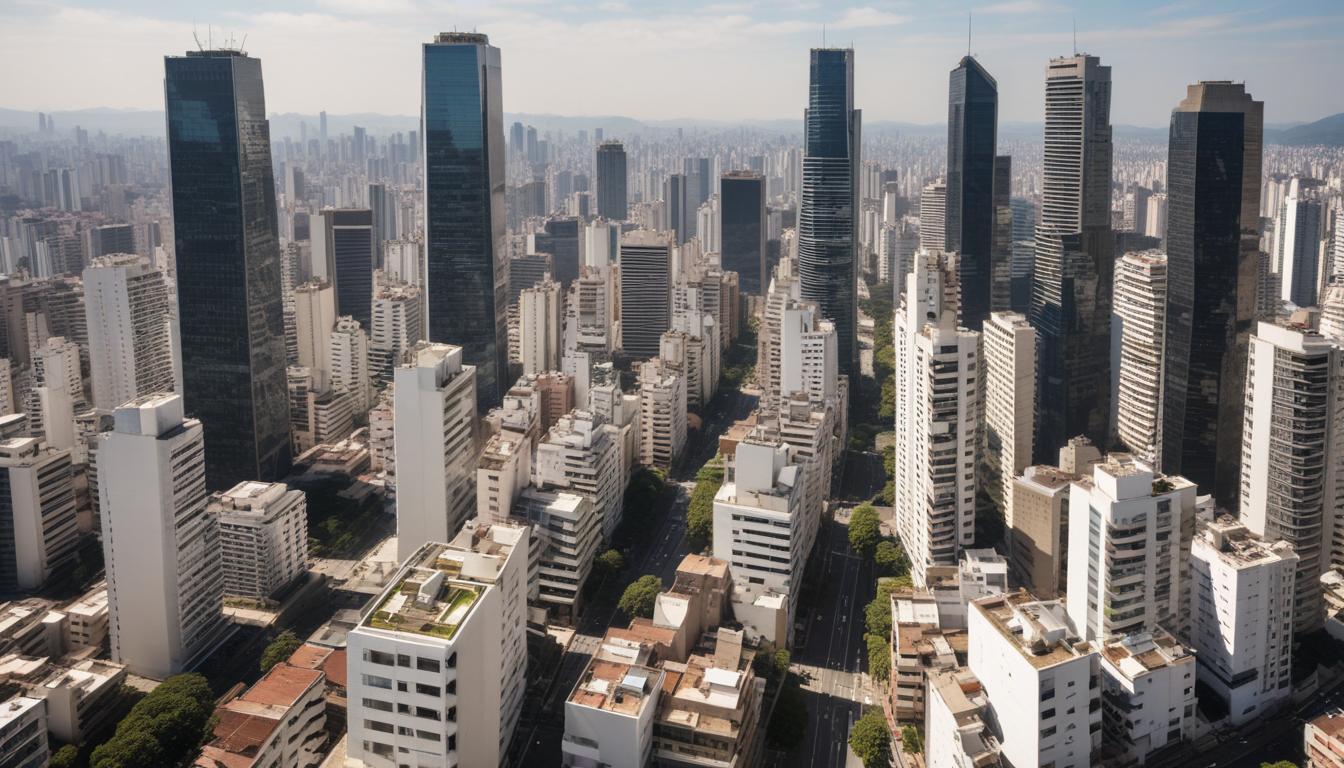
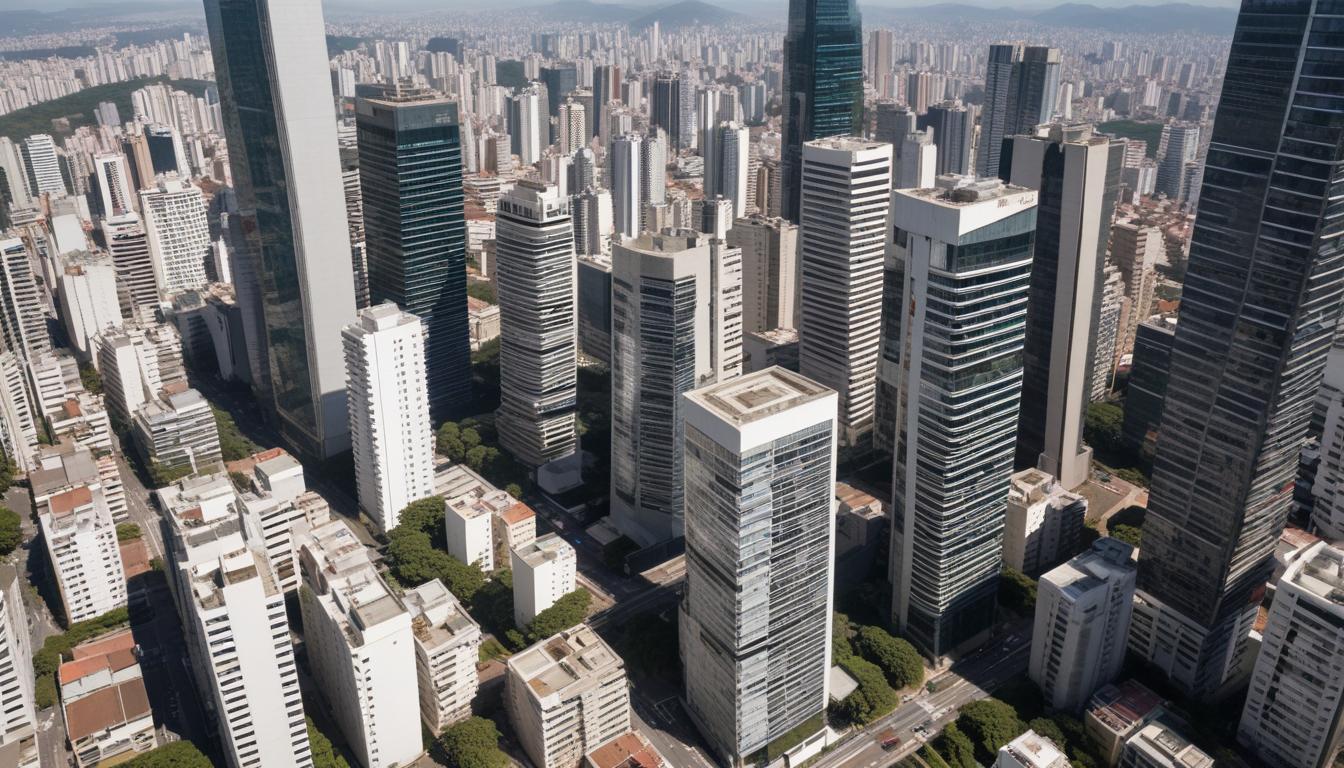
Walk into any coffee shop along Avenida Paulista these days, and you'll hear the same concern: where is foreign money heading? The question reflects a broader reality reshaping São Paulo's role in global commerce. Understanding investment flows—the movement of capital across borders—has become as essential to local executives as knowing the real estate prices in Vila Mariana or Pinheiros.
The numbers tell a revealing story. Brazil's foreign direct investment (FDI) inflows declined 18% in the first quarter of 2026 compared to the same period last year, according to central bank data. For São Paulo, which attracts roughly 40% of Brazil's total foreign investment, this matters enormously. The city's financial services sector, concentrated around the B3 stock exchange near Avenida Brigadeiro Faria Lima, processes approximately $2.4 trillion in annual transactions. When international investors hesitate, São Paulo feels it immediately.
Several factors drive these shifts. Currency fluctuations—the real strengthened 12% against the dollar since January—make Brazilian assets more expensive for foreign buyers but cheaper for Brazilian companies to invest abroad. Interest rate differentials also matter. When the U.S. Federal Reserve maintains higher rates than Brazil's central bank, capital naturally flows northward, seeking better returns.
Meanwhile, supply chain reorganization continues reshaping trade patterns. Companies previously concentrated in Asia are diversifying manufacturing across Latin America, with São Paulo serving as a regional hub for distribution and logistics. The Port of Santos, less than two hours away, handled 144 million tonnes of cargo last year—a 6% increase—reflecting this shift toward nearshoring strategies.
Local investment vehicles reveal the changing landscape. Private equity funds managing Brazilian assets saw median fund sizes shrink from $380 million to $290 million between 2024 and 2026, suggesting cautious capital deployment. Yet venture capital activity in São Paulo's tech corridor around the Berrini and Vila Olímpia neighborhoods remained surprisingly resilient, attracting $1.2 billion in 2025.
For São Paulo's business community, the takeaway is straightforward: global investment flows depend on relative economic health, interest rate differentials, currency stability, and geopolitical risk perception. When policymakers in Brasília implement fiscal reforms or central bankers adjust monetary policy, the impact ripples through Faria Lima within days.
Understanding these mechanisms helps executives at companies headquartered in Torre Norte or Av. Imirim make smarter hedging decisions and anticipate which sectors will attract capital next. In an increasingly volatile global economy, São Paulo's resilience depends on executives who can read these signals clearly.
This article was compiled by AI from the sources linked above and screened before publishing. See our editorial standards.