Why Your Neighbourhood Bakery Prices Just Jumped—And What It Means for Your Wallet
Small business owners across São Paulo are navigating a perfect storm of input costs and inflation that's reshaping what you pay for everyday goods.
Small business owners across São Paulo are navigating a perfect storm of input costs and inflation that's reshaping what you pay for everyday goods.
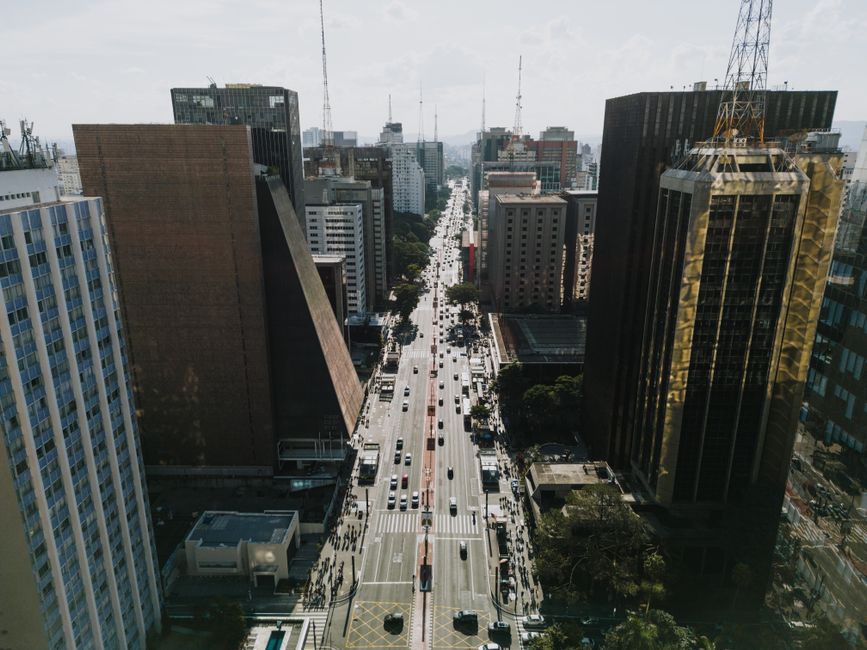
Walk into any padaria along Rua 25 de Março or in the Vila Madalena neighbourhood these days, and you'll notice the price board has changed. A simple pão francês that cost R$0.80 eighteen months ago now runs R$1.20. It's not gouging—it's survival.
Small business owners across São Paulo are grappling with a tightening margin squeeze that consumers rarely see behind the counter. Raw material costs have surged between 25 and 40 percent since early 2025, according to informal surveys among shopkeepers in Pinheiros and Tatuapé. Wheat flour, cooking oil, and butter—staples for bakeries and small food producers—have become considerably more expensive. Transportation costs to distribute goods from the ABC region industrial belt have also climbed, driven by fuel price volatility.
But here's what everyday residents need to understand: these price increases aren't random. They reflect global commodity markets, currency fluctuations affecting Brazil's import-dependent sectors, and structural pressures that small entrepreneurs can't absorb alone. A microentrepreneur running a juice stand on Avenida Paulista or a family-owned confeitaria in Mooca operates on margins typically between 8 and 15 percent. When input costs rise 30 percent, they have three choices: raise prices, reduce portion sizes, or close.
The São Paulo Federation of Commerce estimates that roughly 840,000 small and micro businesses operate in the city. Many are run by single owners or family teams who've built customer relationships over decades. When you pay R$15 for a toasted cheese sandwich instead of R$12, you're not funding corporate profit margins—you're enabling a neighbour to continue paying rent, electricity, and staff wages.
This matters because these small businesses are the backbone of local economies. They employ roughly 2.1 million people across São Paulo state and serve as community gathering points. When corner shops on Rua Augusta or traditional markets in the Pari district struggle, the entire neighbourhood ecosystem feels it.
Consumers face a choice: accept modest price increases as the cost of maintaining the small business infrastructure that makes neighbourhoods liveable, or watch consolidation accelerate as only large chains with purchasing power survive. Neither option is ideal, but understanding what's driving these changes is the first step toward making informed decisions about where and how you spend money.
This article was compiled by AI from the sources linked above and screened before publishing. See our editorial standards.
How does this story make you feel?
Spread the word
About this article
Published by The Daily São Paulo
Daily brief
Free, in your inbox before 7am. Weekdays.
More in Business