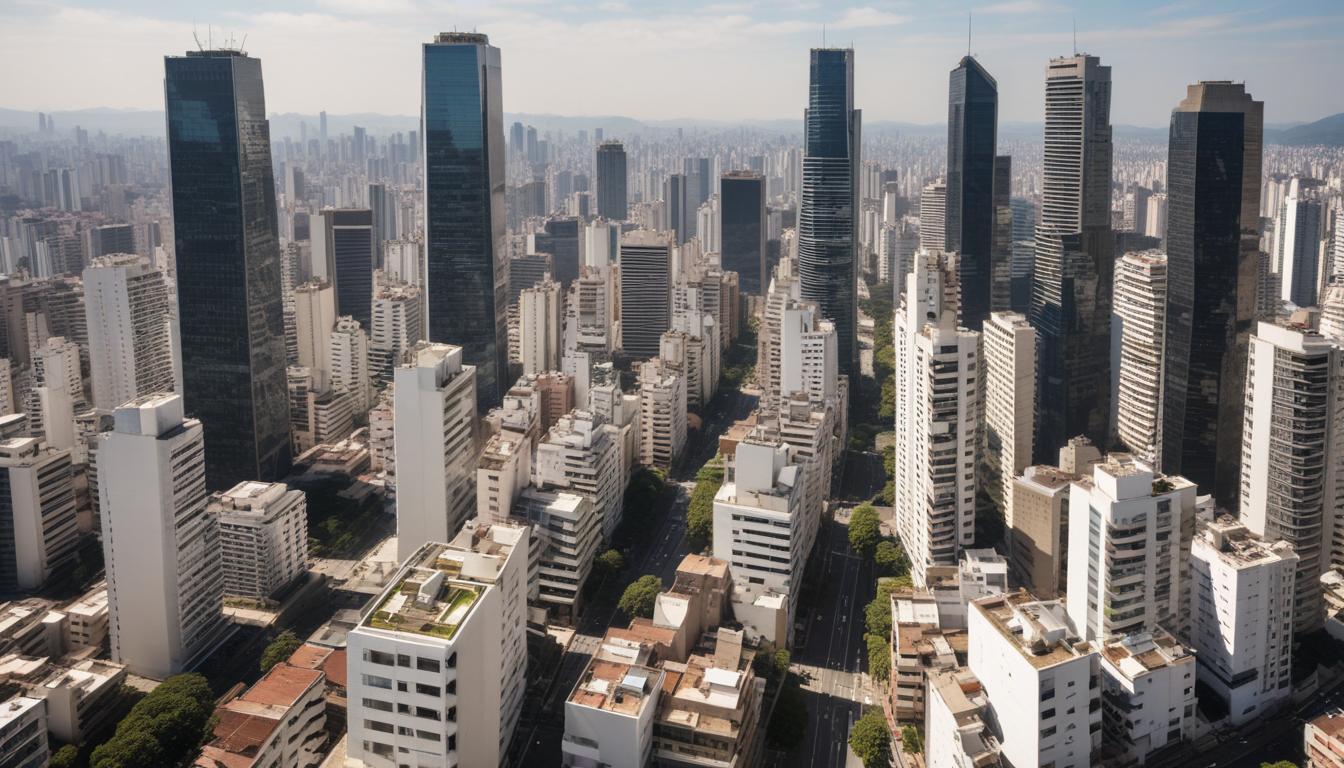
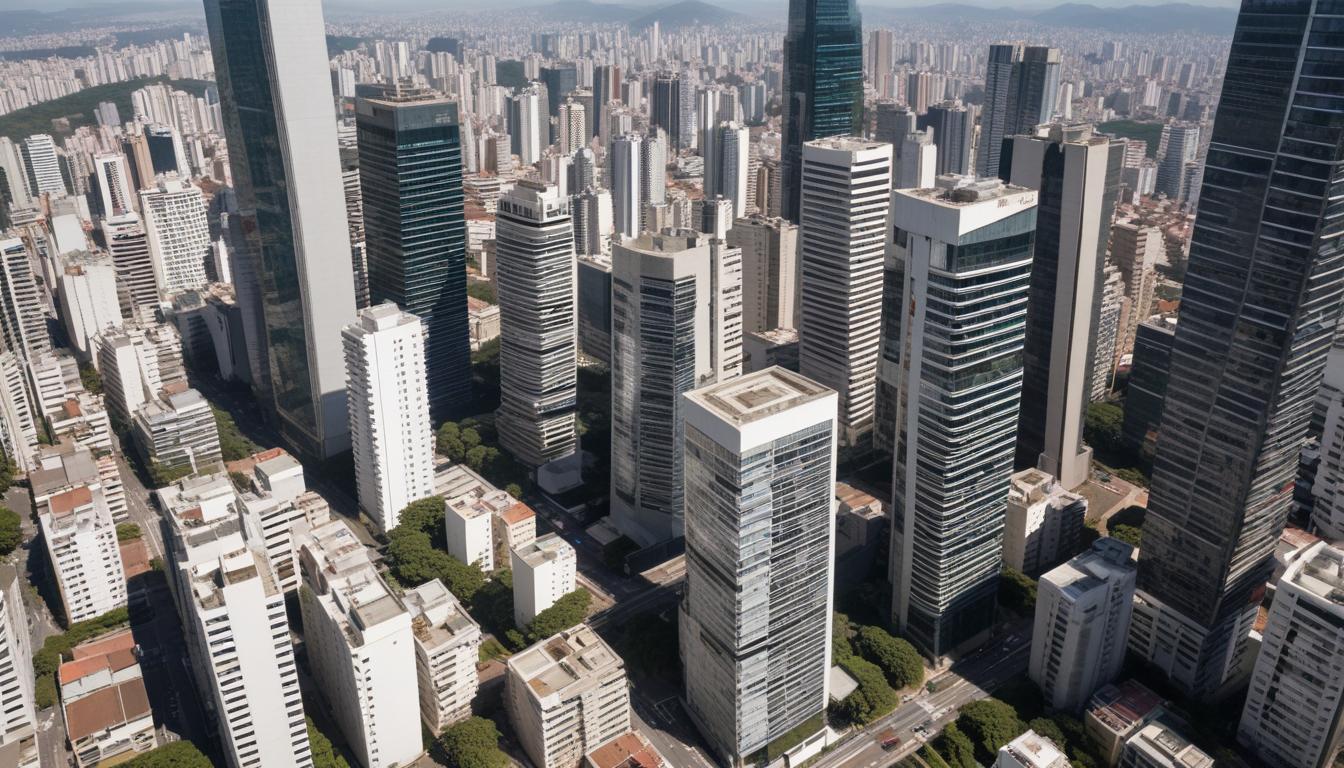
São Paulo's commercial property sector is sending unmistakable signals about broader economic conditions, and savvy investors are learning to read them like financial indicators on a trading floor. The office market—long considered a bellwether for business confidence—is currently displaying the complexity of an economy caught between recovery momentum and persistent inflation concerns.
Vacancy rates across premium office towers in Paulista Avenue have hovered around 12-14% in recent months, up modestly from historical lows of 8-9% seen in 2023. This shift matters because it reflects how companies are reassessing their real estate footprints amid higher borrowing costs. The Central Bank's interest rate decisions ripple directly through commercial property values: higher rates make office space more expensive to finance and reduce corporate expansion budgets.
Investment flows tell the story more clearly. Capital arriving in São Paulo's commercial sector during the first half of 2026 shows a marked reorientation toward mixed-use developments and properties with flexible lease terms. Unlike the previous five years—when trophy assets on Avenida Paulista commanded premium multiples regardless of fundamentals—today's buyers are pricing in vacancy risk and demanding yield above 6% for stabilized assets. A typical Grade A office tower in Vila Mariana that traded at 4.5% yield in 2021 now requires 6.2-6.8% to attract institutional capital.
The distinction between neighborhoods has sharpened considerably. While Paulista Avenue continues attracting multinational corporations and tech firms, secondary markets in Pinheiros and Itaim Bibi are capturing growing interest from mid-market tenants seeking better value. Rental rates on Paulista have plateaued around R$120-160 per square meter monthly for premium space, whereas comparable Grade A offices in Pinheiros command R$85-110, creating clear arbitrage opportunities for shrewd investors.
What explains these patterns? The answer lies in tracking three indicators simultaneously: the real interest rate (currently around 4.5% after inflation adjustment), corporate earnings trends, and foreign direct investment inflows. When real rates climb, property capitalization rates must rise to compete for capital—a mathematical certainty that shows up in lower valuations. Simultaneously, Brazilian companies are reporting more cautious expansion plans, reducing their demand for incremental office space.
Yet this apparent softness masks selective strength. Properties managed by institutional owners with long-term outlooks continue attracting patient capital from pension funds and insurance companies. The message is clear: quality assets with credit-worthy tenants remain attractive, but pricing discipline has returned after years of exuberance. For São Paulo's commercial real estate market, 2026 is fundamentally about alignment—between prices and fundamentals, between expectations and economic reality.
This article was compiled by AI from the sources linked above and screened before publishing. See our editorial standards.