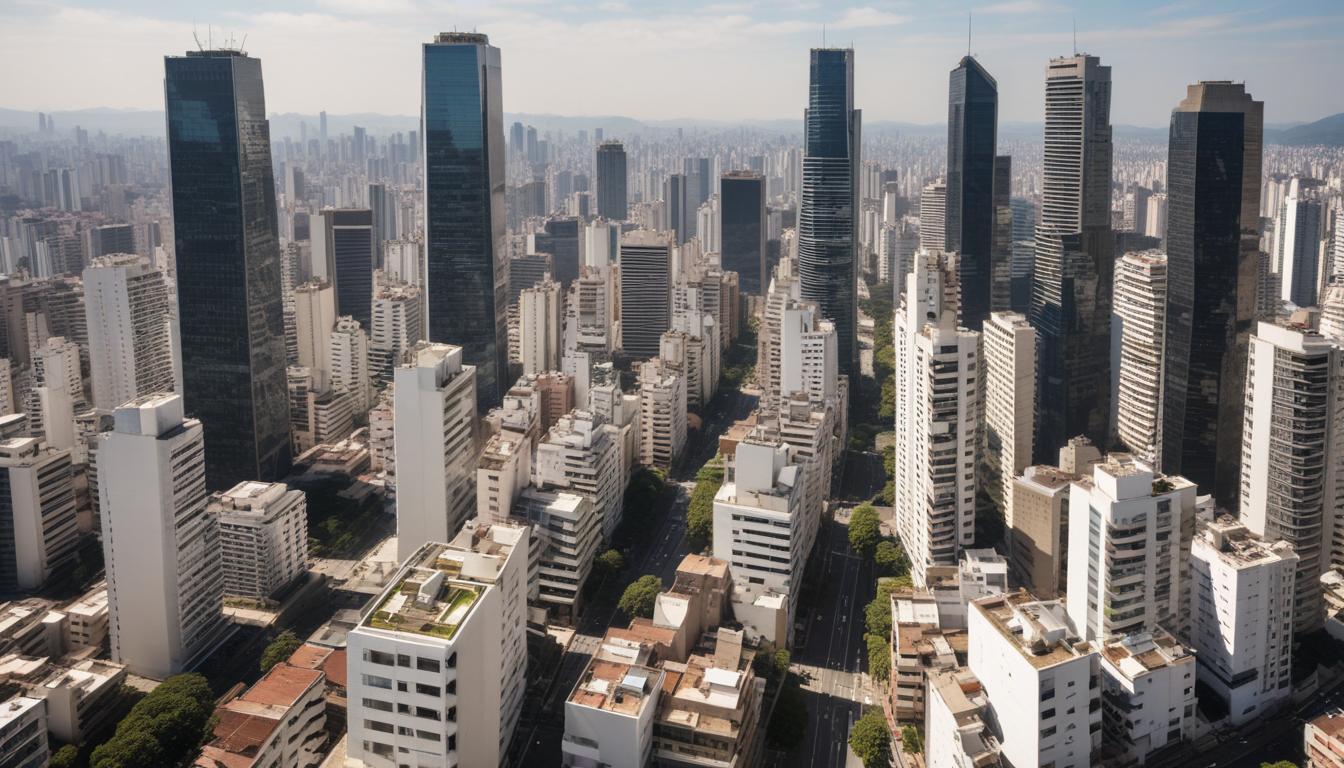
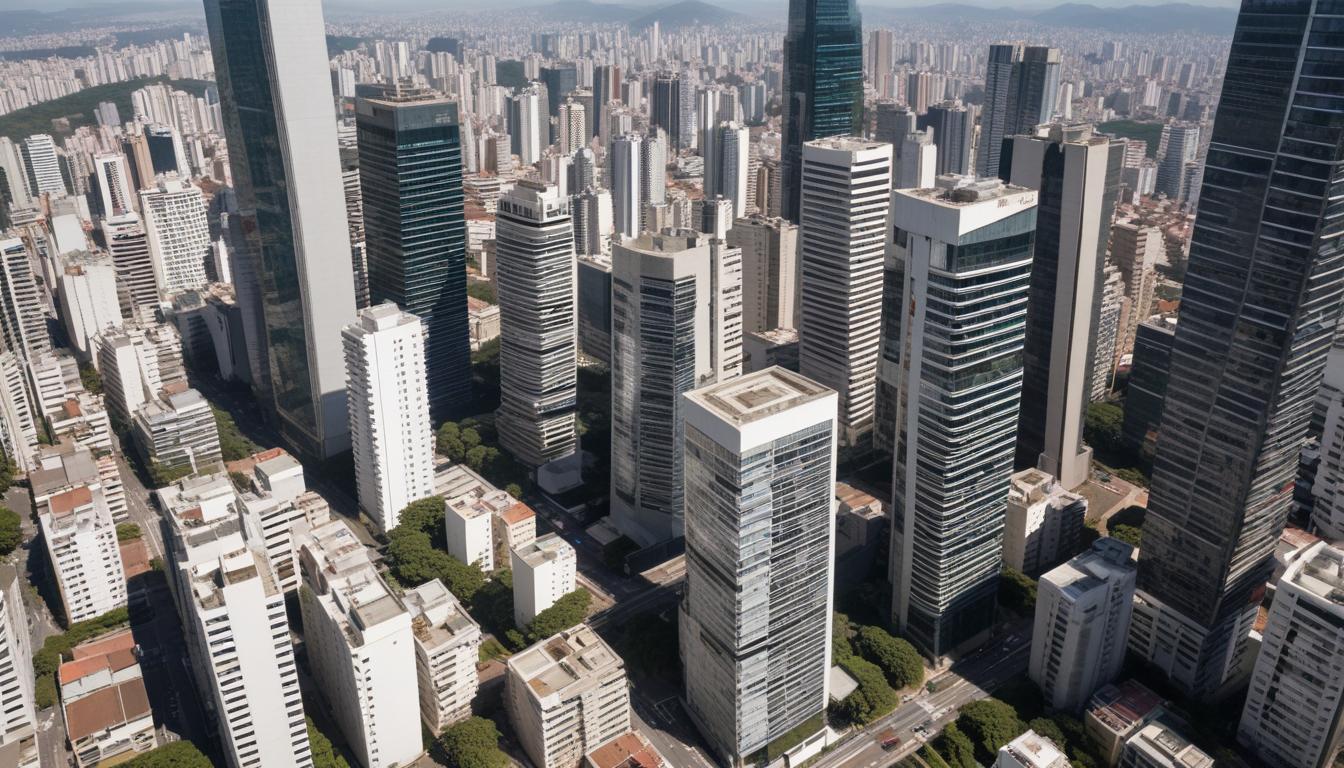
The gleaming towers of Avenida Paulista, long the heartbeat of São Paulo's financial sector, are buzzing with anxious conversations. Investment advisors in the Itaim Biônico neighbourhood report an unusual spike in consultations as clients scramble to reposition portfolios in what many are calling the most challenging year for Brazilian finance since the post-pandemic recovery began.
The confluence of pressures is stark. Brazil's Selic rate, currently hovering near 11 percent, has eroded traditional fixed-income returns that once provided stable yields for conservative portfolios. Real estate investment funds, which attracted unprecedented capital flows to developments around Vila Mariana and Pinheiros over the past three years, now face headwinds from both tighter credit conditions and softening demand among high-net-worth individuals reassessing their exposure.
Currency volatility compounds the challenge. The Brazilian real's fluctuations have made dollar-denominated investments—historically a hedge for wealthy paulistas—increasingly unpredictable. Professionals at major asset managers near Consolação report that clients who previously maintained steady allocations to international markets are now questioning their exposure, particularly given geopolitical tensions that dominated headlines throughout 2026.
The cost-of-living squeeze extends beyond investment returns. Premium residential neighbourhoods including Morumbi and Alto de Pinheiros have seen property price growth stall for the first time in seven years. Luxury condominium fees—averaging 8,000 to 12,000 reais monthly in prime locations—now consume a larger percentage of disposable income for families previously insulated from broader economic pressures. Concurrent increases in private school tuition, healthcare costs, and domestic services have left even affluent paulistas recalibrating lifestyle expenditures.
The banking sector itself is bracing for impact. Mid-sized wealth management firms concentrated in the financial district near Avenida Getúlio Vargas report declining fee revenue as assets under management contract. Several have quietly reduced staff in their investment advisory divisions.
Analysts suggest the headwinds reflect not isolated Brazilian challenges but rather global currents—shifting monetary policy trajectories, trade uncertainty, and capital flight concerns—converging on Latin America's largest economy. For São Paulo's investment community, accustomed to navigating volatility, 2026 represents something more unforgiving: a prolonged period where traditional wealth-preservation strategies offer diminishing returns.
The conversation in Avenida Paulista's coffee shops has shifted from growth opportunities to capital preservation. That recalibration may define the second half of this year.
This article was compiled by AI from the sources linked above and screened before publishing. See our editorial standards.