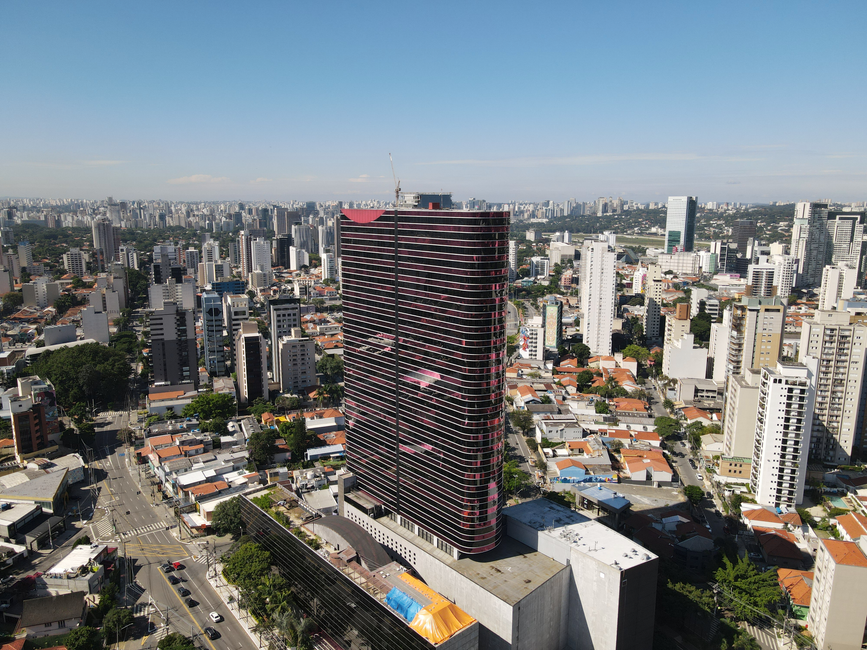
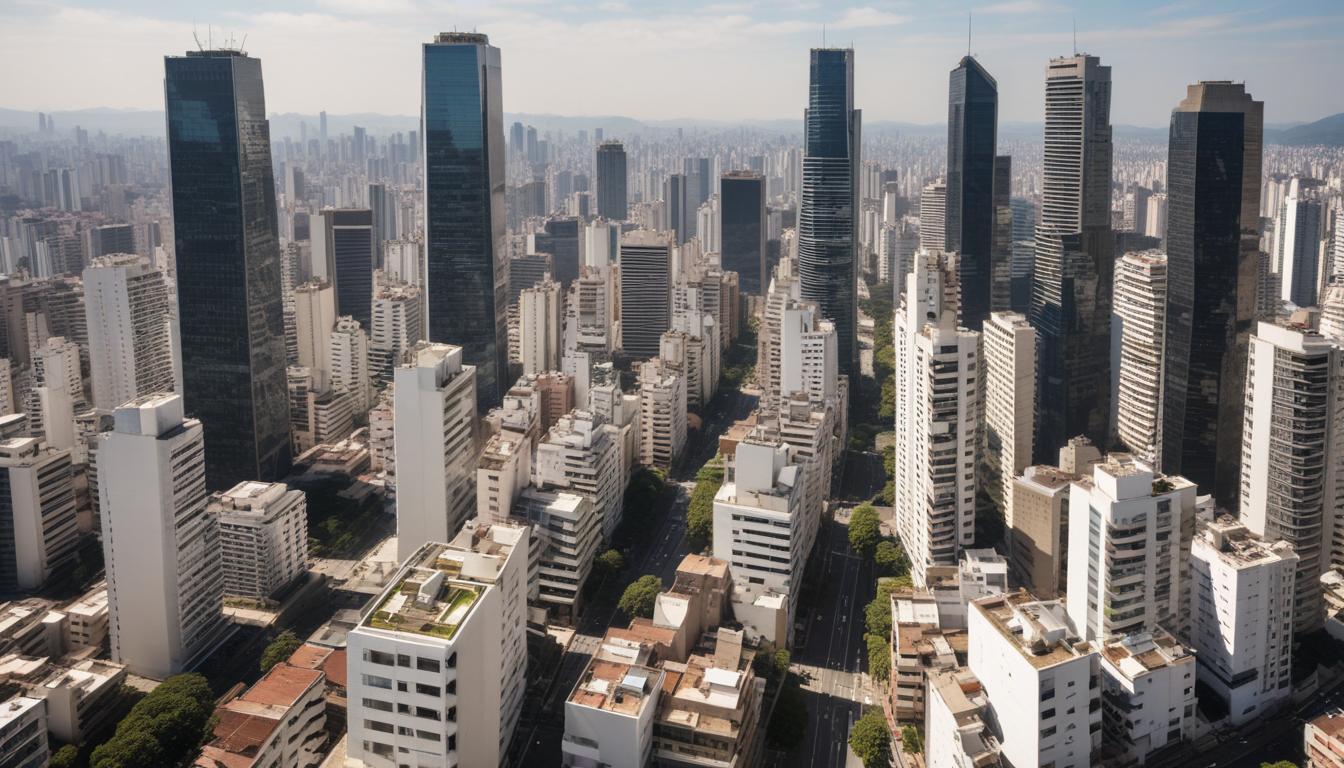
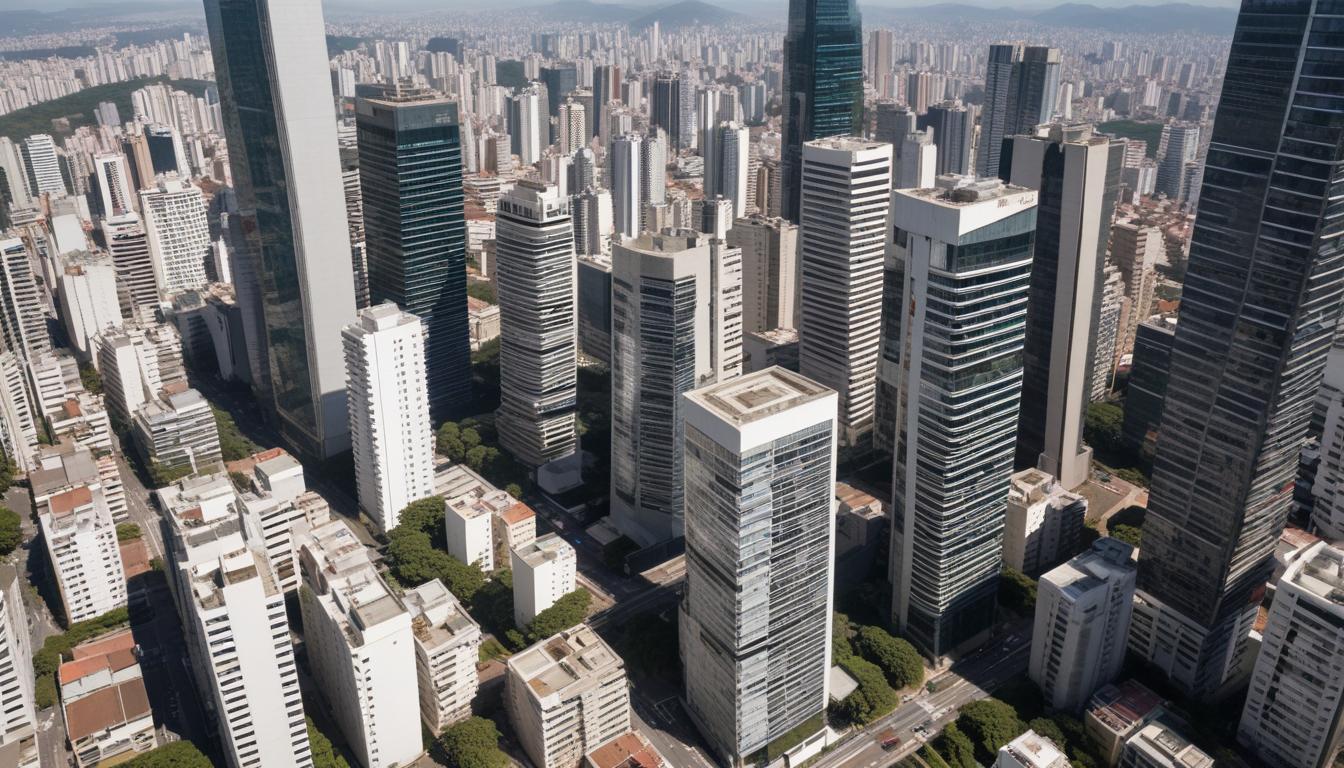
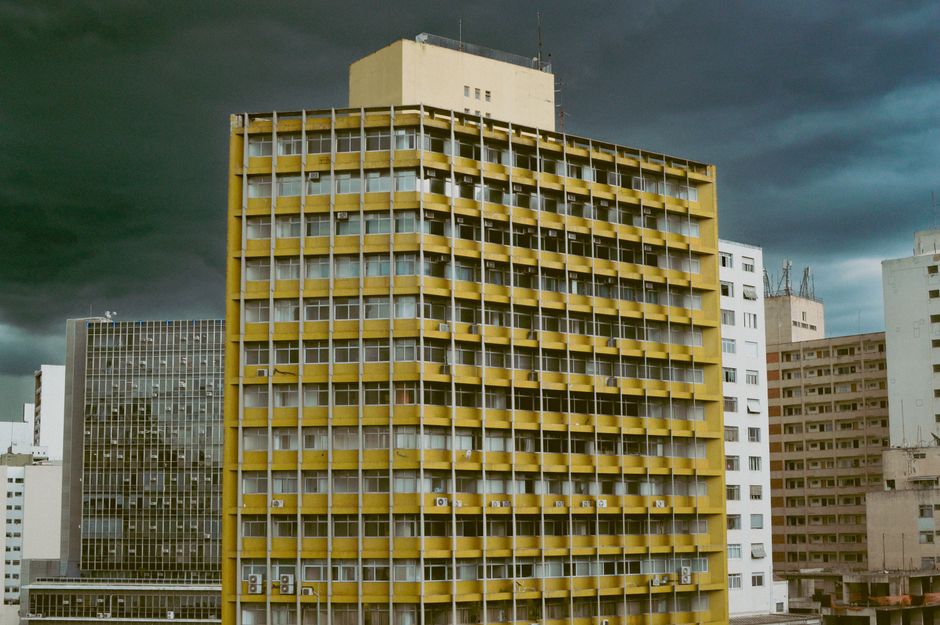
São Paulo's commercial property market is experiencing a profound realignment driven by forces well beyond Brazil's borders. As tensions escalate across multiple geopolitical hotspots—from Middle Eastern negotiations to emerging trade uncertainties—multinational corporations with significant operations in the city are reassessing their real estate footprints, creating both challenges and opportunities for local landlords and developers.
The impact is most visible in São Paulo's traditionally robust premium office segments. Properties along Avenida Paulista and Faria Lima, which command between R$80 to R$150 per square metre monthly, are seeing longer vacancy periods and more aggressive negotiations from corporate tenants. Several multinational financial services firms have paused expansion plans, while technology companies—historically aggressive in acquiring space—are now adopting hybrid work arrangements that reduce their immediate square-metre requirements.
Currency volatility directly threatens the calculus for international operators. The Brazilian real's fluctuations against the dollar complicate capital budgeting for foreign firms, particularly those headquartered in North America or Europe. When dollar-based revenues decline relative to local costs, the calculus for maintaining expansive São Paulo operations shifts dramatically. This dynamic has manifested in reduced lease negotiations and shorter contract terms across the city's central business districts.
The uncertainty extends beyond financial markets. Supply chain disruptions stemming from regional conflicts have prompted some industrial and logistics companies to reconsider their São Paulo operations, which traditionally served as administrative and distribution hubs. Companies previously committed to expanding administrative offices near the Marginal Pinheiros corridor are now deferring decisions indefinitely.
However, the market isn't uniformly depressed. Secondary neighbourhoods—including Vila Olímpia and Brooklin—are attracting smaller enterprises and startups seeking cost-efficient alternatives to premium corridors. Real estate consultancies report modest interest from companies pursuing portfolio diversification away from geopolitically exposed regions, viewing Brazil as a relatively stable Latin American anchor.
Institutional investors remain cautious. While rental yields in São Paulo typically exceed 5 percent annually, the combination of global uncertainty and potential economic headwinds has cooled acquisition appetite among foreign funds that previously viewed Brazilian commercial property as defensive positioning.
Industry analysts expect this recalibration to persist through 2026 and beyond. Rather than the aggressive expansion of recent years, São Paulo's office market is entering a consolidation phase where stability and flexibility matter more than raw square footage. For local property owners and developers, the lesson is clear: global forces now shape local real estate destinies more thoroughly than ever.
This article was compiled by AI from the sources linked above and screened before publishing. See our editorial standards.