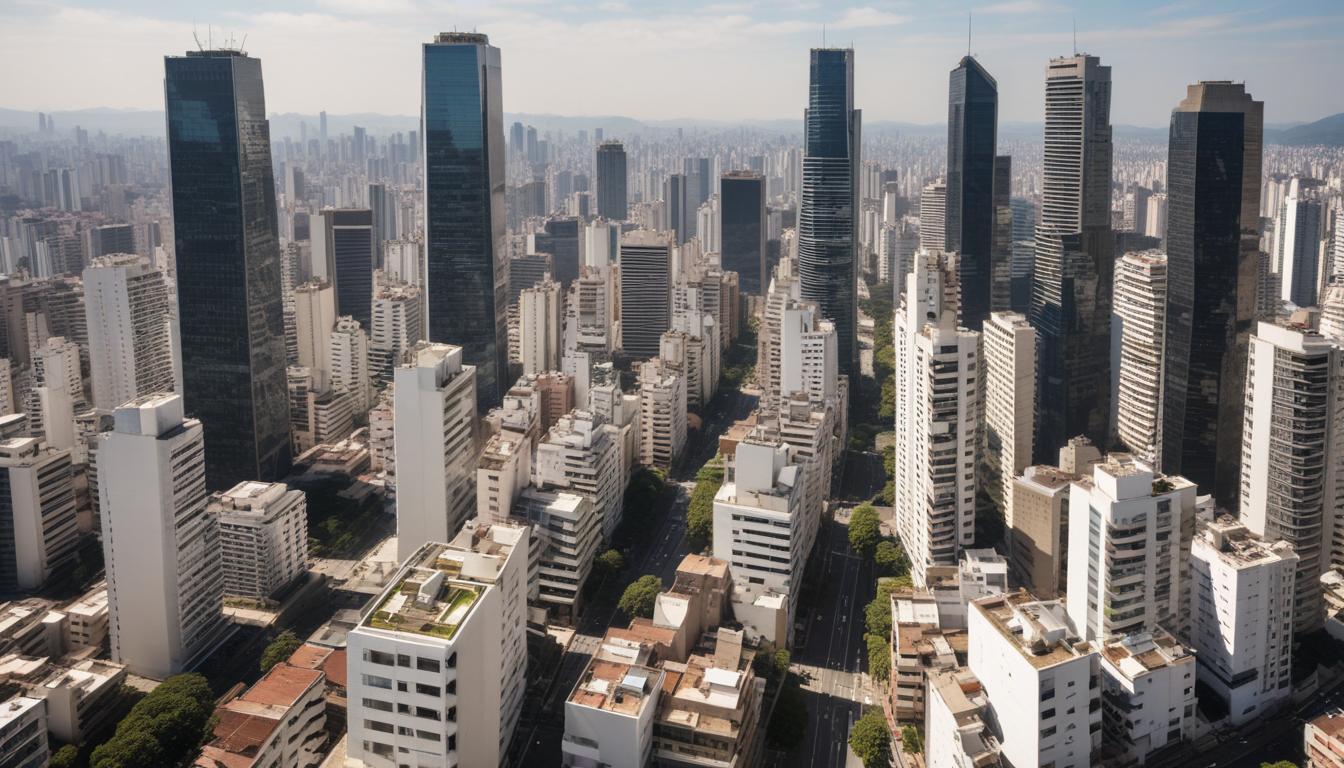
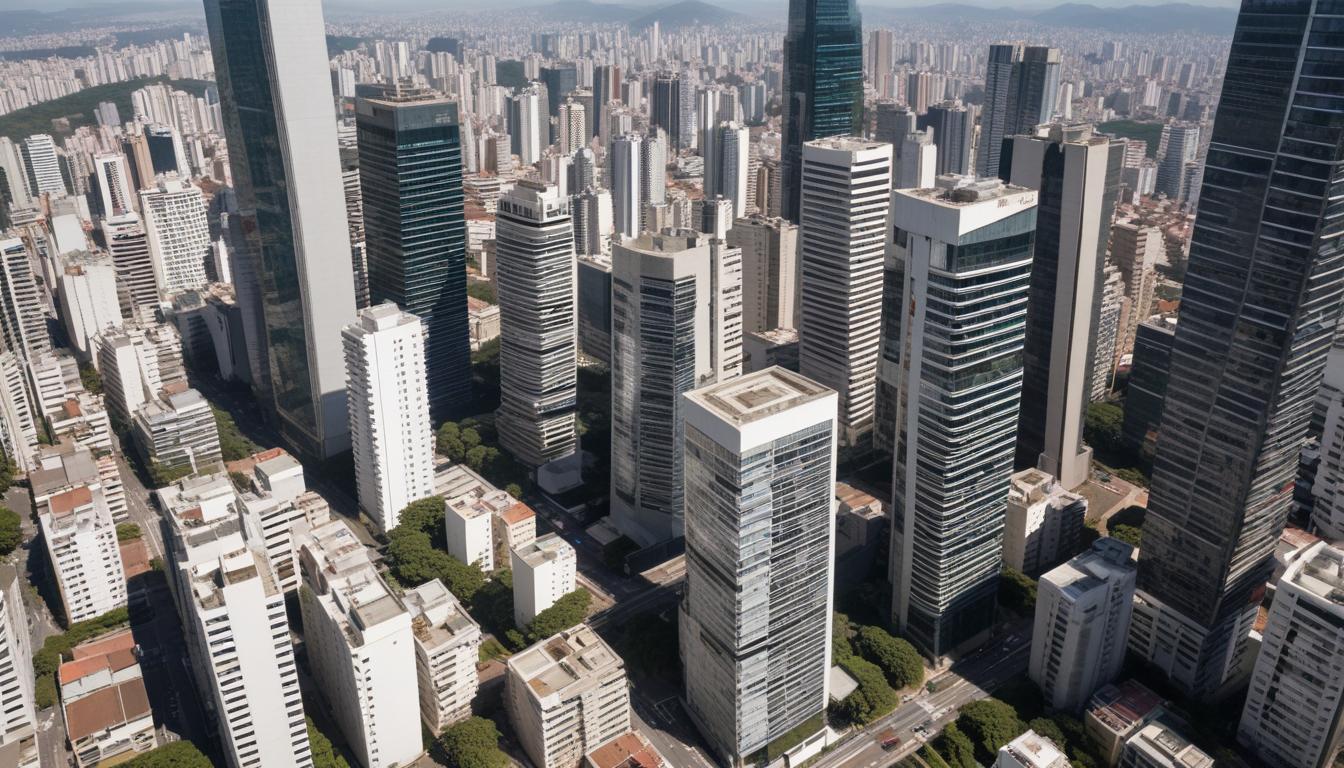
Walk down Avenida Paulista on any weekday morning and you'll notice something that would have been unthinkable a decade ago: young professionals with laptops streaming into converted warehouses and modern flex-spaces rather than bank headquarters. São Paulo's startup ecosystem, once concentrated in small pockets, has matured into a genuine force reshaping how the city's labour market operates.
The transformation is tangible. Vila Mariana and Pinheiros have become magnetic poles for tech talent, with innovation districts now housing everything from early-stage fintech ventures to established corporations launching digital divisions. Real estate prices reflect this shift—premium workspace in Rua Bandeira now commands R$ 8,000 to R$ 12,000 monthly for modest office suites, a 40% increase since 2024, as demand outpaces supply.
The numbers tell a compelling story. São Paulo's tech ecosystem has generated an estimated 45,000 new jobs in the past three years, according to industry surveys, with startup-adjacent roles accounting for nearly 60% of new hiring in the financial services and software sectors. But beyond raw employment figures, the nature of work itself is shifting. Traditional corporate tracks—the ladder-climbing trajectory that defined São Paulo's business culture for generations—are losing their monopoly on prestige and compensation.
Compensation structures have become more fluid and ambitious. Junior developers at established startups now command salaries comparable to mid-level positions at traditional firms, while equity participation has become a standard recruitment tool. This competitive pressure is forcing even conservative institutions to restructure pay bands and offer more flexibility—remote work adoption, once controversial in São Paulo's buttoned-up corporate culture, is now standard across major sectors.
The shift is creating unexpected winners and losers in the talent marketplace. Neighbourhoods like Consolação and Brás, historically overlooked by high-end office development, are attracting younger workers drawn by proximity to innovation hubs and lower living costs. Meanwhile, some established corporate parks in Brooklin and Chácara Santo Antônio report higher vacancy rates as companies consolidate or relocate closer to tech clusters.
Educational institutions are scrambling to keep pace. Universities across the city are expanding coding bootcamps and entrepreneurship programs, recognizing that their traditional business school curricula no longer monopolise pathway creation. Vocational training centres are seeing unprecedented demand for technical skills.
As innovation districts mature, São Paulo's job market is becoming genuinely pluralistic—perhaps for the first time in the city's modern history. The question now is whether this decentralisation of opportunity will reach beyond privileged neighbourhoods or entrench new forms of inequality.
This article was compiled by AI from the sources linked above and screened before publishing. See our editorial standards.