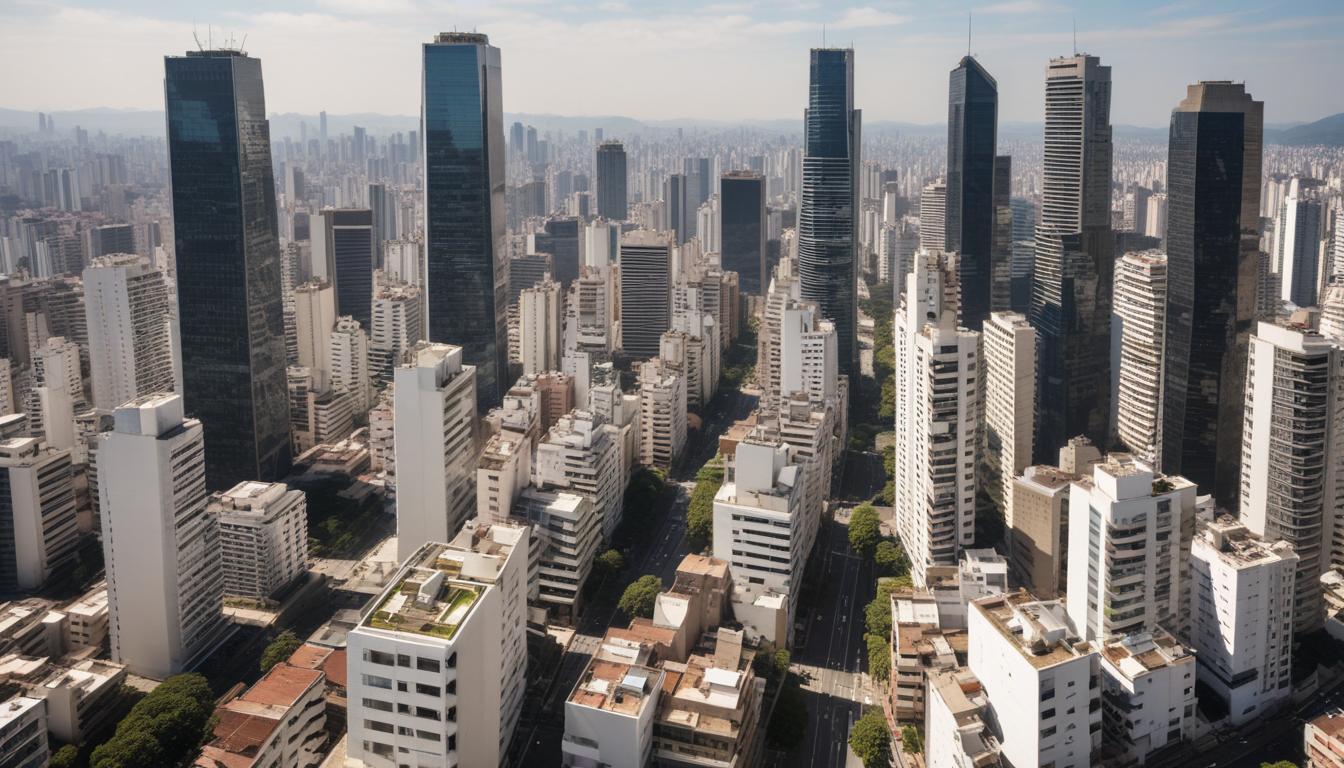
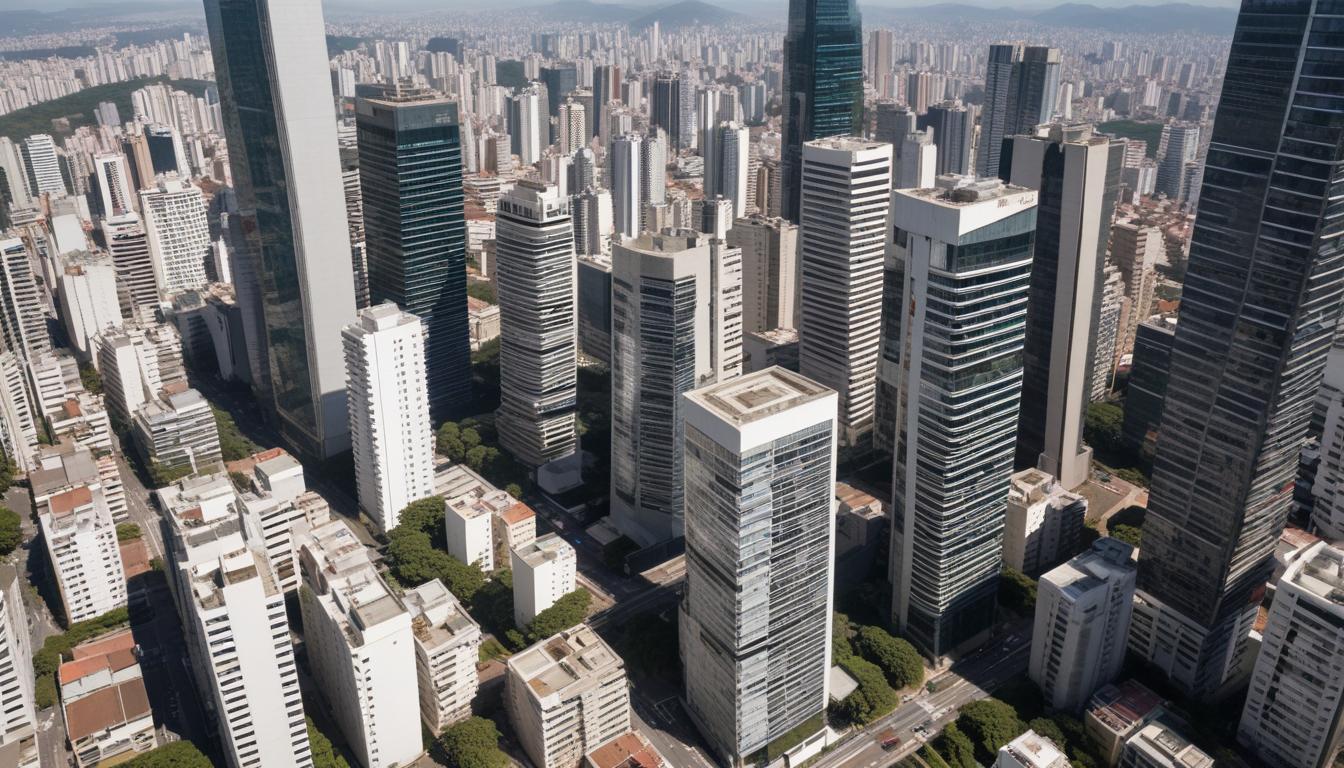
Walk into any of the trading floors along Rua 25 de Março, and you'll hear the same refrain: Africa is no longer a distant market—it's an urgent business reality. São Paulo's commercial traders are seizing what many in Rio and Salvador have been slower to recognize: the emergence of direct trade corridors with Angola, Mozambique, and increasingly, West African nations, represents a generational shift in how Brazilian goods move globally.
The numbers tell the story. Direct exports from São Paulo to sub-Saharan Africa increased 23 percent year-on-year through the first quarter of 2026, according to preliminary data from the Chamber of Commerce Brazil-Africa (CCBA), which operates from offices in the Consolação district. Meanwhile, import flows of African minerals and agricultural goods—historically routed through European middlemen—now increasingly dock at Santos and flow directly to São Paulo's industrial hinterland.
The winners are already visible. Mid-sized trading companies based in Bom Retiro and the Vila Marcondes industrial zone have expanded their logistics teams by an average of 40 percent since early 2025. Customs brokers report that the average processing time for Africa-bound shipments has halved, to under 48 hours, as ports and regulatory bodies have streamlined procedures to compete with rival hubs.
"The window opened suddenly," explains the Brazilian-African Chamber, noting that geopolitical realignments in the Middle East and ongoing tensions in traditional Atlantic routes have forced global supply chains to diversify. Companies that moved quickly—investing in local partnerships, hiring Lusophone specialists, and establishing credit lines with African banks—have captured first-mover advantage.
But complacency would be dangerous. Competitors in Paraná and even smaller operations in Recife are aggressively recruiting talent and offering aggressive pricing. Mexican trading firms have begun positioning themselves as alternatives for manufacturers seeking non-Brazilian sources. The opportunity, in other words, is real but compressed.
For São Paulo's business establishment, the message is clear: the city's dominance in Latin American trade is no longer automatic. It must now defend and extend that position into emerging markets before rivals do. Those on Avenida Paulista and in the corporate towers of Itaim Bibi who recognize this shift stand to prosper. Those who don't risk irrelevance in a rapidly reordering global economy.
This article was compiled by AI from the sources linked above and screened before publishing. See our editorial standards.