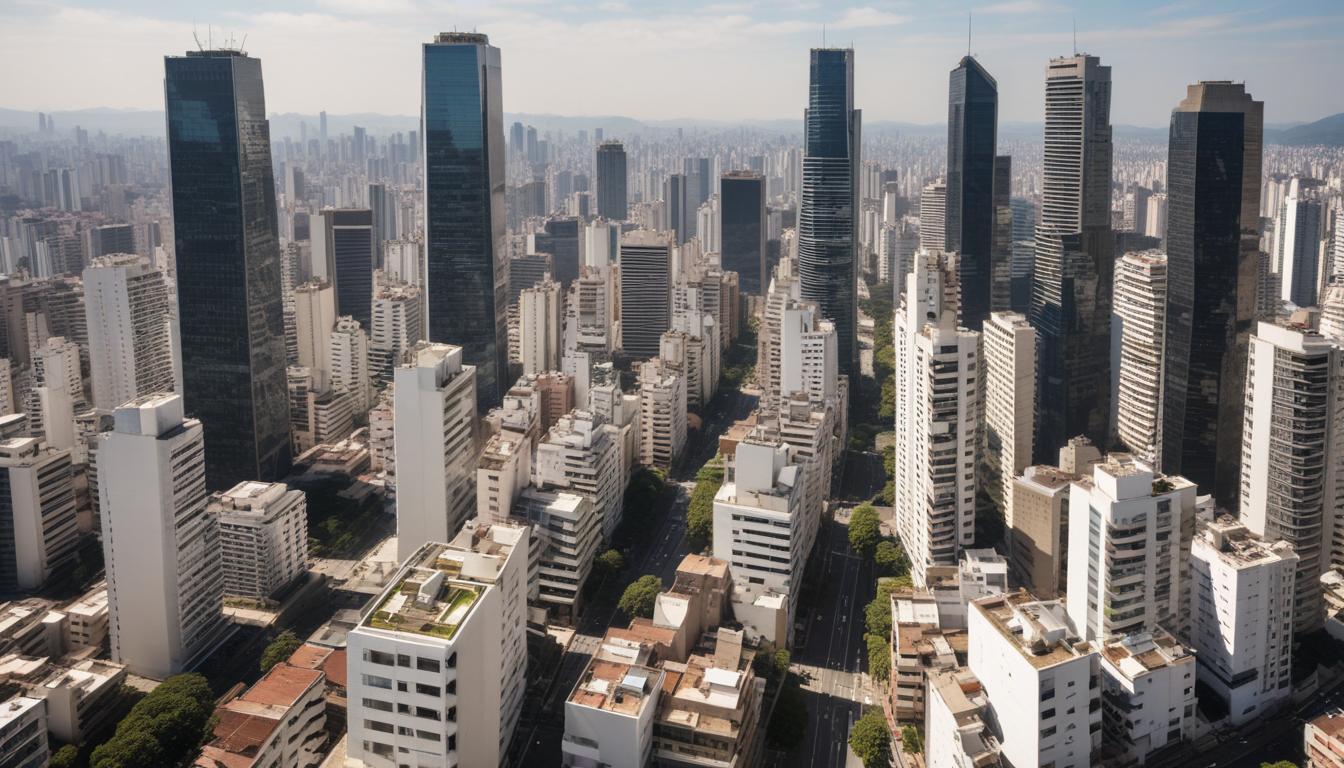
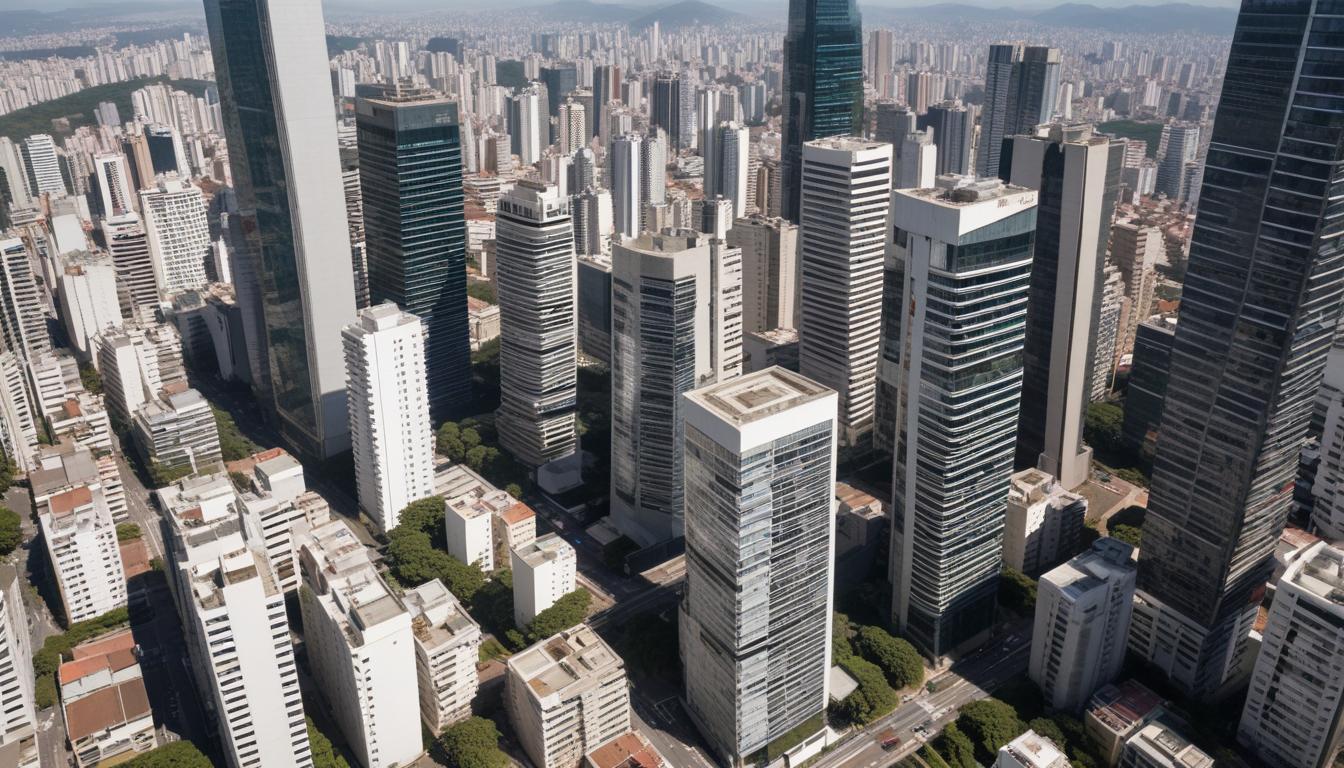
The mathematics of survival in São Paulo have shifted dramatically. A software engineer earning R$12,000 monthly in Vila Mariana faces rent that has surged 18% in two years, groceries climbing weekly, and public transport passes that now consume nearly 8% of entry-level salaries. The equation no longer adds up—and the city's employers are feeling the consequences.
Recruitment agencies across Avenida Paulista report a troubling pattern: mid-career professionals are accepting remote positions with companies based in Porto Alegre, Curitiba, and even smaller interior cities where cost of living remains significantly lower. One major financial services recruiter estimates that 34% of candidates they place now negotiate remote-first arrangements, up from just 12% in 2023. The shift is forcing São Paulo's traditional job market to compete not just with local rivals, but with an entirely different geographic calculus.
The impact ripples through neighborhoods that once anchored the city's professional class. In Pinheiros and Itaim Bibi, commercial real estate consultants note that office vacancy rates have climbed as companies right-size their physical footprints. Meanwhile, co-working spaces around Faria Lima—traditionally packed with startups and service firms—report declining membership renewals as companies embrace hybrid models to justify higher salaries while maintaining lower overhead.
Universities and technical schools are adapting curriculum to reflect this new reality. FIAP, the prominent technology school in Zona Sul, has expanded its focus on remote collaboration tools and distributed team management, recognizing that their graduates' first jobs may not be in São Paulo at all. Young professionals completing courses at Senac units across the city increasingly view the metropolis as a starting point rather than a destination.
Yet São Paulo retains certain advantages that defy the exodus narrative. Legal firms, investment banks, and media companies still require physical presence in the capital's financial hub. The ecosystem around Bom Retiro and nearby neighborhoods continues attracting fashion and design talent. And for certain specialized sectors—pharmaceutical research, automotive engineering—proximity to São Paulo's industrial infrastructure remains irreplaceable.
The real transformation isn't a wholesale departure; it's a segmentation of the market. Premium positions in corporate finance remain sticky. Entry-level and mid-career technical roles bleed outward. This bifurcation is forcing São Paulo's employers to fundamentally reconsider compensation structures, benefits packages, and the value proposition of staying put. For jobseekers, the message is clear: geography no longer determines destiny in Brazil's largest job market.
This article was compiled by AI from the sources linked above and screened before publishing. See our editorial standards.