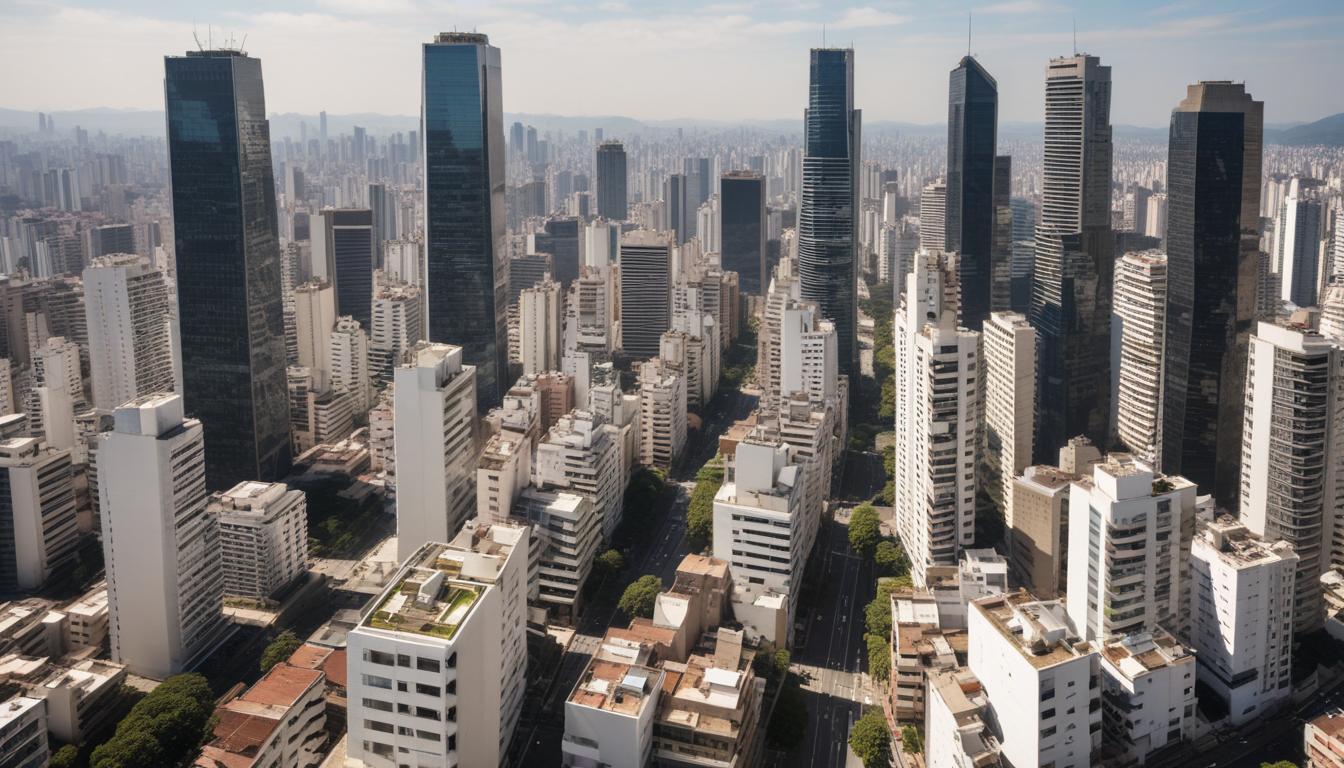
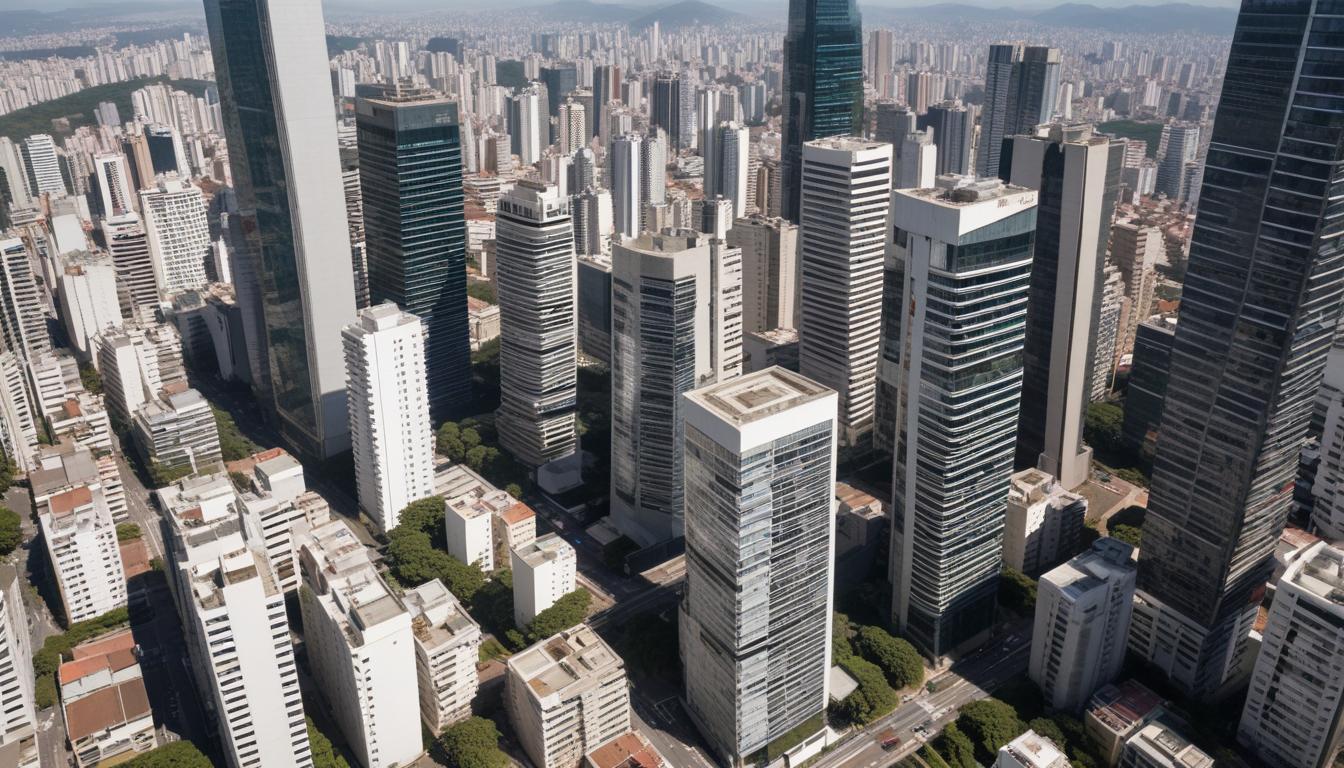
The São Paulo business community is confronting a sharp reality: the global trade landscape is moving faster than supply chains can adapt. With the real trading below 5.20 against the US dollar—a level not seen since late 2024—exporters operating from the port facilities in Santos to manufacturing hubs across the ABC region face mounting pressure on margins.
For companies headquartered along Avenida Paulista and in Pinheiros' growing tech corridor, the calculus has shifted. Currency headwinds are making Brazilian goods cheaper for international buyers, a blessing for commodity exporters. Yet manufacturers reliant on imported components—from electronics warehouses in the Zona Cerealista to automotive suppliers in São Bernardo do Campo—are paying more to restock inventory. The inflation gap between dollar-denominated costs and real-denominated revenues is squeezing working capital across sectors.
Recent shifts in global trade policy have regional ripples. Tariff uncertainty from major trading partners means logistics companies are rerouting shipments and renegotiating contracts. Container costs from the Port of Santos have stabilized after months of volatility, but freight forwarding firms report clients are increasingly hedging exposure by diversifying sourcing away from single-country dependencies.
The message from trade associations based in the Centro Empresarial region is consistent: companies must act now. Those who delayed decisions about currency hedging or supply chain diversification are falling behind competitors. Agricultural exporters—Brazil's largest export category—are moving quickly to lock in forward contracts, aware that commodity prices themselves remain volatile despite strong global demand.
For mid-market businesses, the inflection point is immediate. Companies with exposure to African and Middle Eastern markets are watching geopolitical developments closely, particularly around logistics chokepoints. Those with European customers are preparing for potential regulatory changes that could affect compliance costs.
The professionals in business associations across São Paulo's commercial districts report increased demand for advisory services around currency management and supply chain mapping. Firms that spent the past year assuming stability now face a fundamental restructuring of how goods move and how risk is priced.
The window for strategic repositioning is open, but narrowing. Businesses that treat this as a temporary fluctuation may miss the opportunity to build structural resilience into their operations. For São Paulo's export base, the question isn't whether change is coming—it's whether companies will lead the adaptation or react to it.
This article was compiled by AI from the sources linked above and screened before publishing. See our editorial standards.