How a former banker is reimagining São Paulo's visitor economy through boutique cultural tourism
Marina Ribeiro's Casa Paulista network is turning overlooked neighbourhoods into must-see destinations for international travellers.
Marina Ribeiro's Casa Paulista network is turning overlooked neighbourhoods into must-see destinations for international travellers.
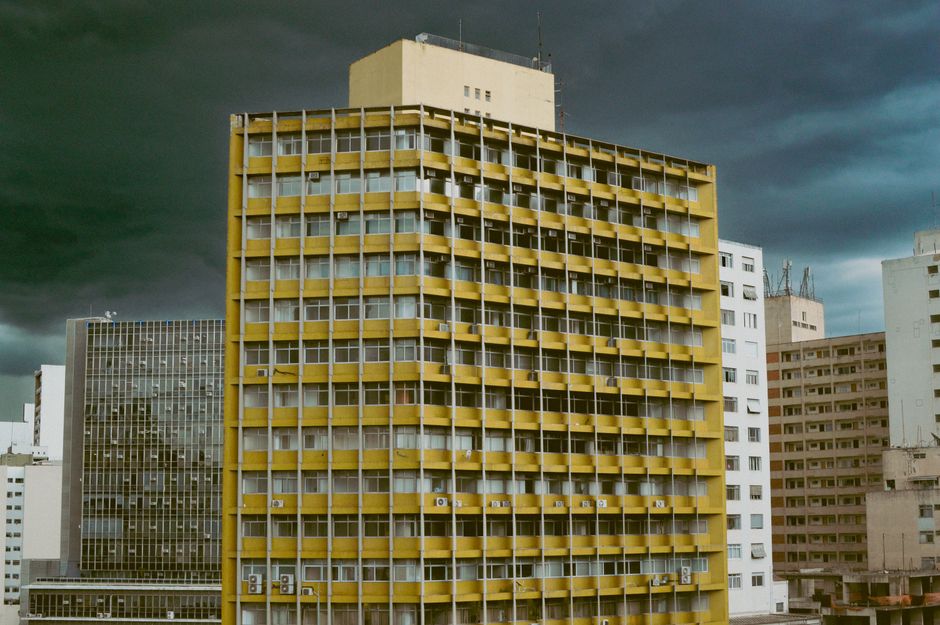
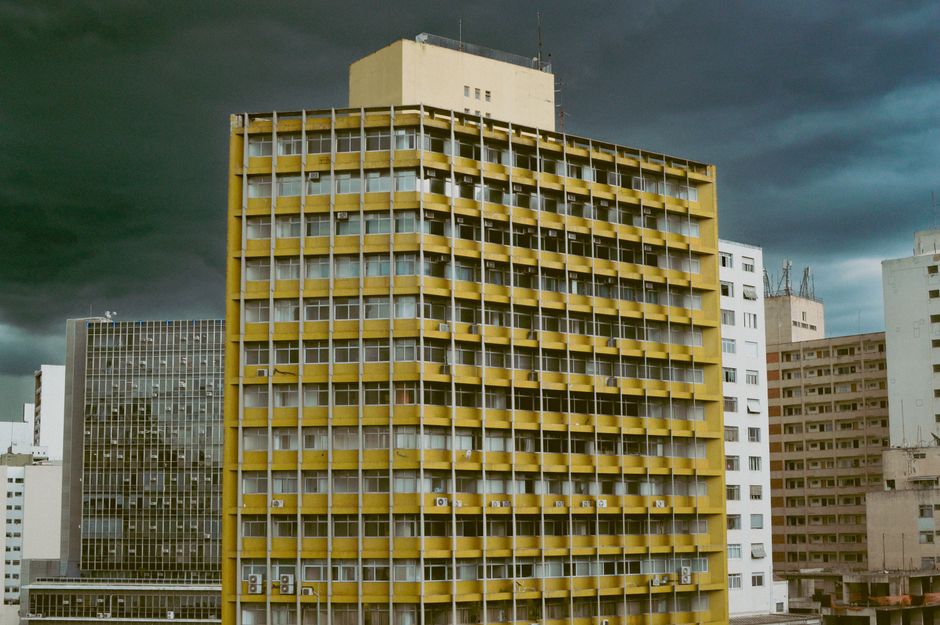
In the narrow lanes of Vila Madalena, where street art sprawls across century-old warehouse walls, a quiet revolution is reshaping how visitors experience São Paulo. Casa Paulista, a network of immersive cultural tourism experiences, has grown from a single concept space in 2021 to operate seven neighbourhood hubs across the city—generating an estimated R$12 million in annual revenue and attracting over 8,000 international visitors each year.
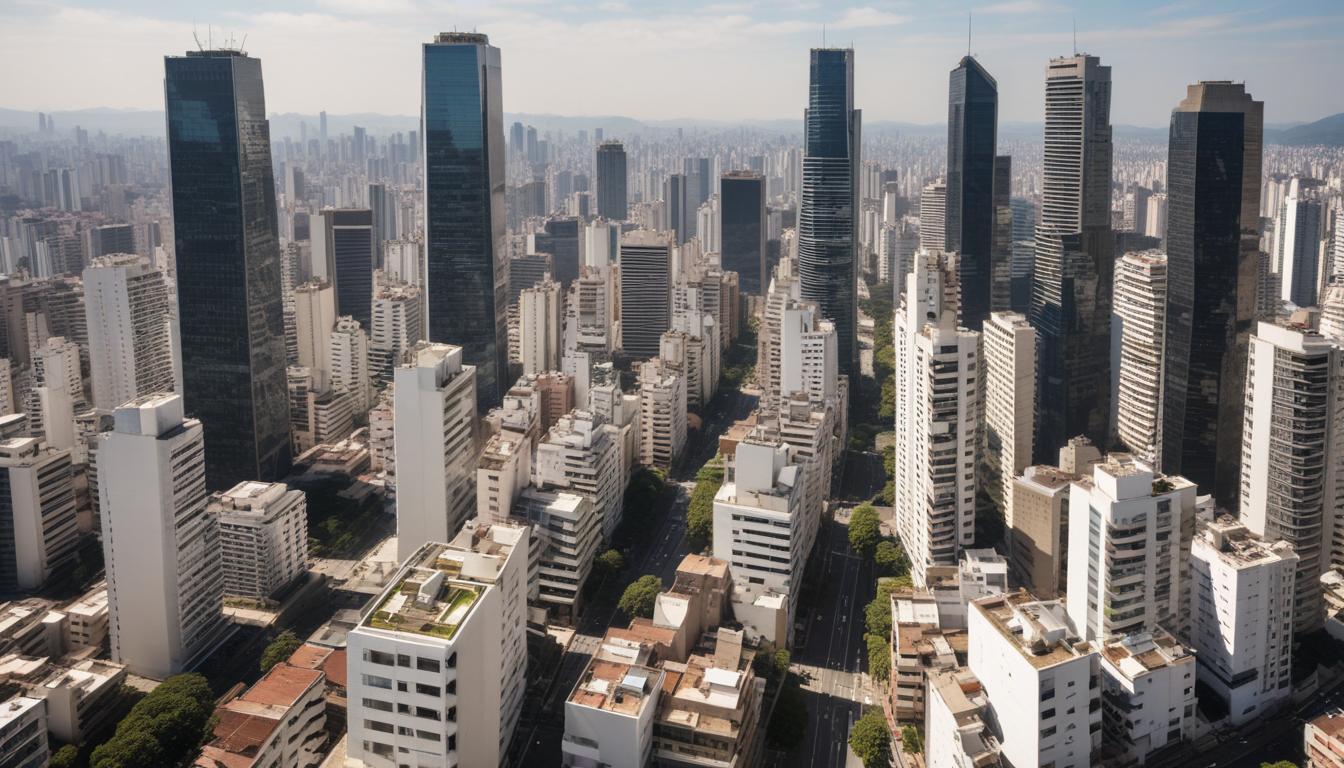
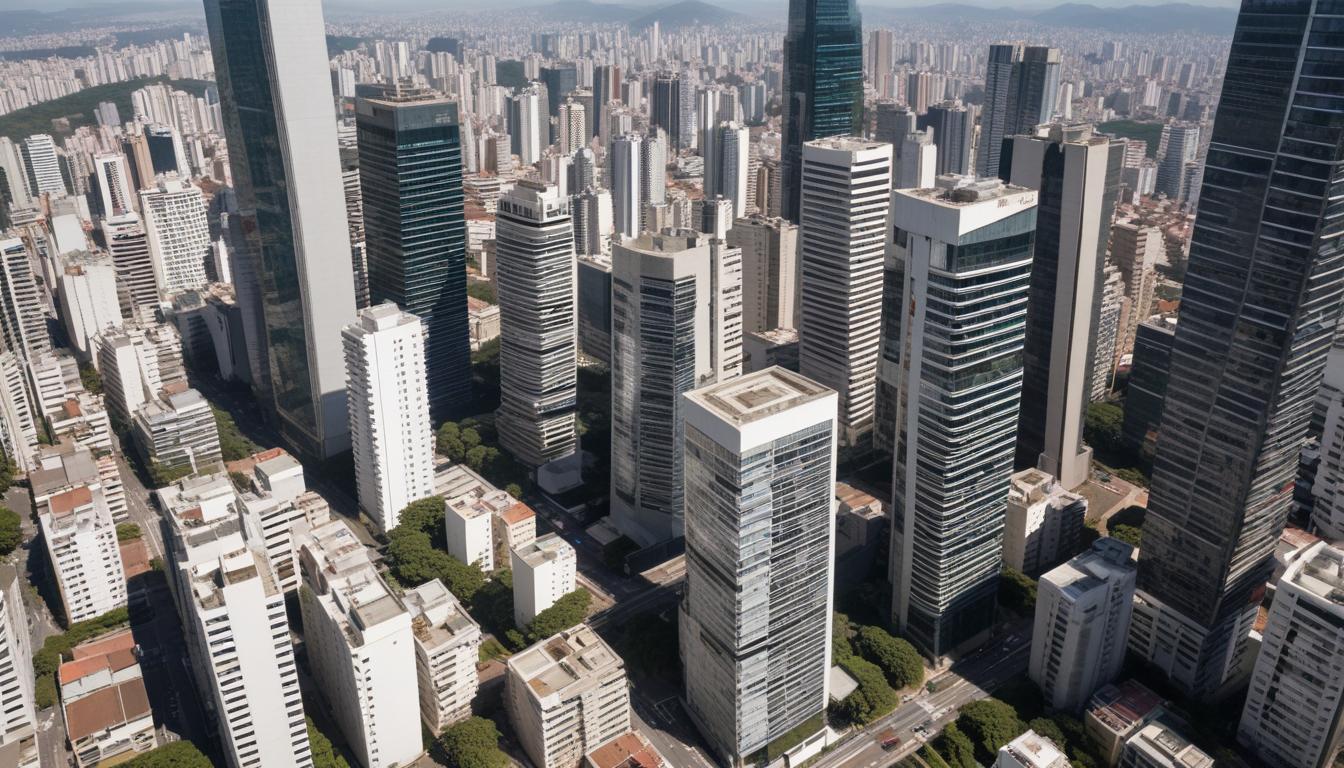
The driving force behind this expansion is Marina Ribeiro, a former investment banker who traded spreadsheets for storytelling. Her decision to pivot came after recognizing a gap in São Paulo's tourism landscape: while the city welcomed nearly 1.5 million international visitors annually pre-pandemic, most were funnelled toward predictable routes—Ibirapuera Park, the Museum of Art, Avenida Paulista. Neighbourhoods like Bom Retiro, Bexiga, and Pinheiros remained invisible to outsiders, their creative ecosystems largely unknown.
Casa Paulista's model inverts this logic. Rather than offering guided bus tours, Ribeiro's team creates deeply local experiences: a morning spent learning traditional ceramics in a Bom Retiro studio, afternoon coffee tastings with third-generation roasters on Rua Augusta, evening fado performances in intimate Bexiga venues. Prices range from R$180 to R$450 per person, positioning Casa Paulista in the premium segment while undercutting hotel concierge offerings.
The business model also prioritizes local entrepreneurs. Ribeiro estimates that 85 per cent of revenue flows directly to neighbourhood artisans, musicians, and small business operators—creating a genuine economic multiplier effect. A ceramicist partnering with Casa Paulista can earn an additional R$1,500 monthly, while boutique restaurants report average spending increases of 22 per cent on days when Casa Paulista groups visit.
This summer alone, Ribeiro plans to launch two new spaces: one in Liberdade focused on Japanese-Brazilian heritage, another in Zona Leste exploring hip-hop and urban culture. Industry observers note that Casa Paulista's growth arrives at a critical moment. Post-pandemic, São Paulo's visitor economy faces intense competition from emerging Brazilian destinations. Distinctive, authentic experiences—precisely what Ribeiro offers—have become the differentiator.
For a city long defined by its frenetic business culture, Casa Paulista demonstrates that tourism innovation need not depend on spectacular infrastructure or celebrity endorsements. Sometimes it simply requires someone willing to listen to neighbourhoods that have always had remarkable stories to tell.
This article was compiled by AI from the sources linked above and screened before publishing. See our editorial standards.
How does this story make you feel?
Spread the word
About this article
Published by The Daily São Paulo
Daily brief
Free, in your inbox before 7am. Weekdays.
More in Business