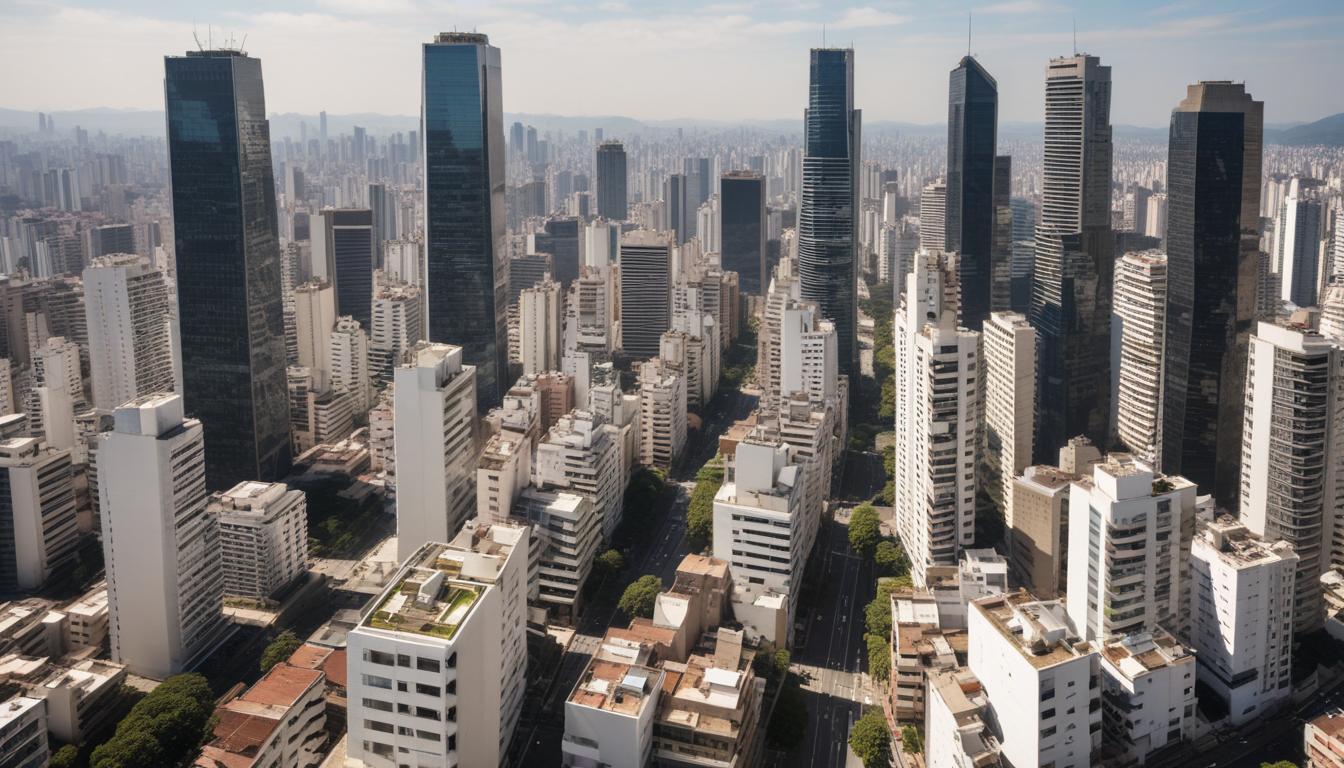
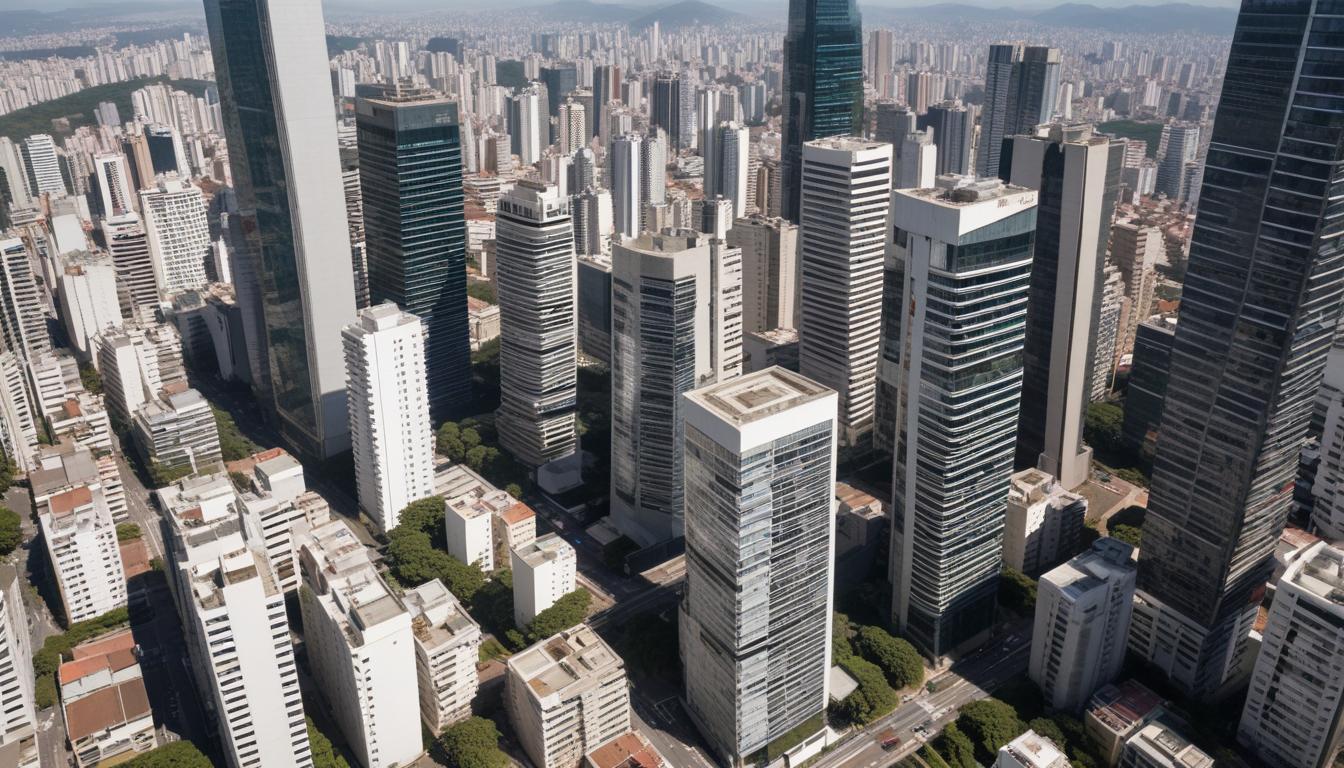
São Paulo's recruitment landscape is undergoing a seismic shift as international instability ripples through the city's business districts. Human resources professionals working along Avenida Paulista report a marked slowdown in hiring across multinational corporations, with many firms adopting a cautious stance in response to currency fluctuations, Middle Eastern tensions, and broader geopolitical uncertainty.
The trend is particularly pronounced among technology and finance companies clustered in Pinheiros and Vila Madalena, traditionally São Paulo's most dynamic employment hubs. Industry insiders indicate that while unemployment in Greater São Paulo remains around 6.8%, quality job openings have contracted by nearly 12% in the first half of 2026 compared to the same period last year. Entry-level positions in business process outsourcing—historically a steady employment source—have become increasingly competitive.
"International clients are deferring decisions," explains a senior recruiter at a major staffing firm headquartered near Consolação. "When there's political volatility and currency instability, multinational decision-making slows dramatically. It directly impacts how many positions companies authorize us to fill."
The dollar's strength against the real has created a peculiar paradox for São Paulo's economy. While it theoretically makes Brazilian talent cheaper for foreign employers, the same currency movement makes imported inputs and technology more expensive, causing many companies to cut operational costs elsewhere—including headcount. Manufacturing and logistics firms in the ABCD region south of São Paulo have implemented hiring freezes throughout Q2 and Q3.
Meanwhile, automation investment is accelerating. Companies managing supply chains exposed to Middle Eastern disruption or reliant on US markets are fast-tracking technological solutions to reduce dependency on human labor. Industry consultants report that AI and automation projects that were scheduled for 2027 are now being expedited to completion.
Interestingly, certain sectors remain resilient. Healthcare services, domestic retail, and construction—sectors less exposed to international volatility—continue modest hiring. Civil construction projects in the Zona Leste are still recruiting, though at slower rates than 2025.
For job seekers in São Paulo, the message is clear: positions requiring specialized skills and multilingual capability remain relatively secure, while general administrative and operational roles face intensified competition. Career development professionals in the city's various employment centers recommend upskilling and diversification rather than passive job hunting.
As long as geopolitical uncertainty persists, São Paulo's employment market will likely remain cautiously conservative, reflecting the reality that Brazil's largest city is inextricably linked to global economic currents.
This article was compiled by AI from the sources linked above and screened before publishing. See our editorial standards.