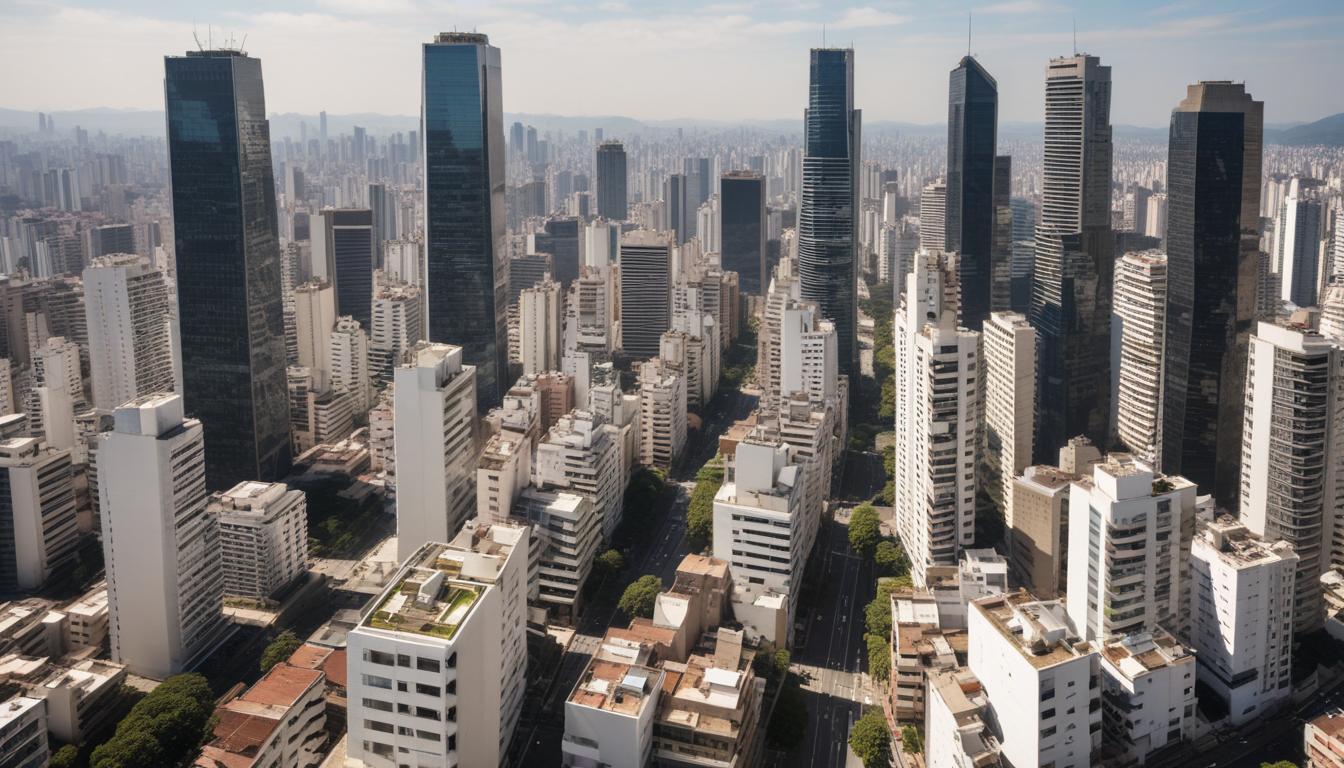
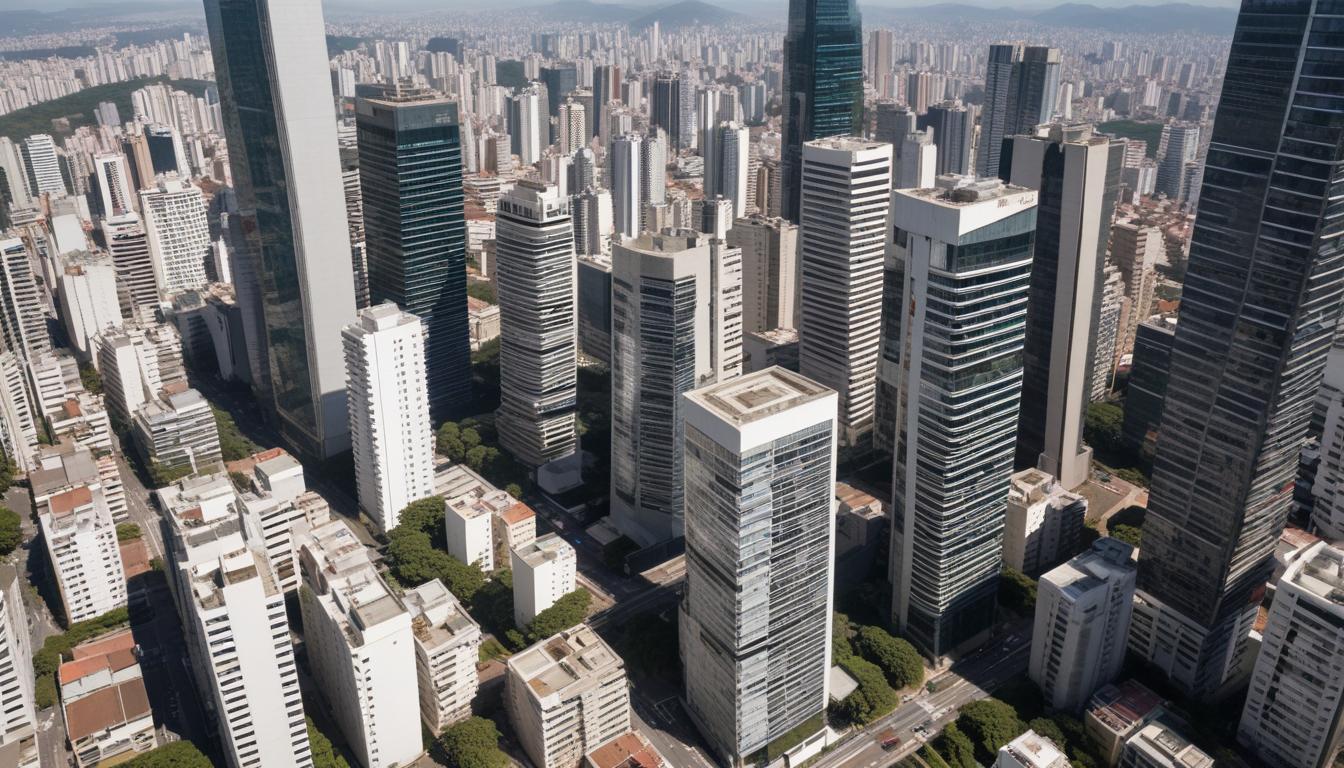
The economics of survival in São Paulo have shifted dramatically. A one-bedroom apartment in Vila Mariana now commands upwards of R$3,500 monthly, while a modest lunch in the Jardins district exceeds R$60. These realities are forcing a reckoning across the city's business landscape, as companies discover that traditional salary structures no longer retain talent in an environment where everyday costs have climbed faster than wages.
The phenomenon is particularly acute in the financial services and technology sectors clustered around Avenida Paulista and Faria Lima. Recruitment specialists report that professionals with five to ten years of experience are increasingly demanding 25-35% salary increases to remain in São Paulo, rather than accepting remote roles in smaller cities or relocating to international hubs. One major fintech operating from the Itaim Bibi neighbourhood recently lost three senior analysts to competitors offering remote work arrangements from Curitiba and Salvador.
Property costs have become the invisible negotiator in every boardroom conversation. Commercial real estate in the central business district now averages R$80 per square metre monthly—pricing out smaller firms and forcing consolidation. Meanwhile, employee retention consultants note that professionals living in outlying zones like Taboão da Serra face two-hour commutes, reducing their effective earning power and making relocation incentives increasingly necessary.
The talent drain threatens São Paulo's position as Brazil's economic engine. Junior professionals graduating from institutions like INSPER and FGV increasingly target remote opportunities or immigration pathways rather than accepting entry-level salaries that don't justify São Paulo's living costs. One accounting firm operating from the Higienópolis district reported a 40% jump in resignation rates among graduates in 2025, primarily citing housing affordability.
Some employers are adapting creatively. Flexible work arrangements, subsidised transport passes, and meal vouchers that exceed legal minimums have become standard competitive tools. Others are decentralising operations—establishing satellite offices in neighbourhoods like Vila Madalena and Santana to attract talent priced out of core business districts.
The reshaping extends beyond compensation. Companies are restructuring promotion timelines and investing in upskilling programs to reduce turnover. The message to São Paulo's business elite is clear: the city's talented workforce will no longer accept a cost-of-living penalty for the privilege of working here. Employers must either match it financially, or watch their talent migrate elsewhere.
This article was compiled by AI from the sources linked above and screened before publishing. See our editorial standards.