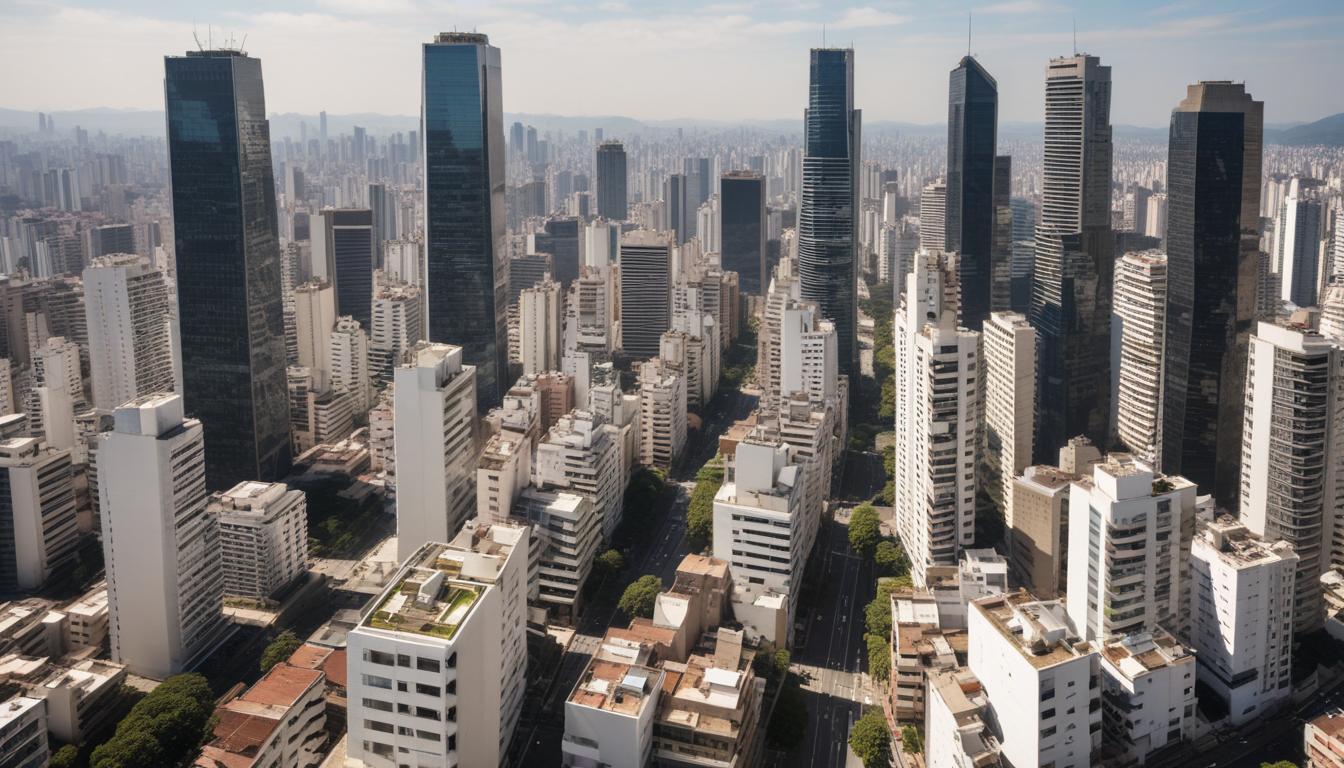
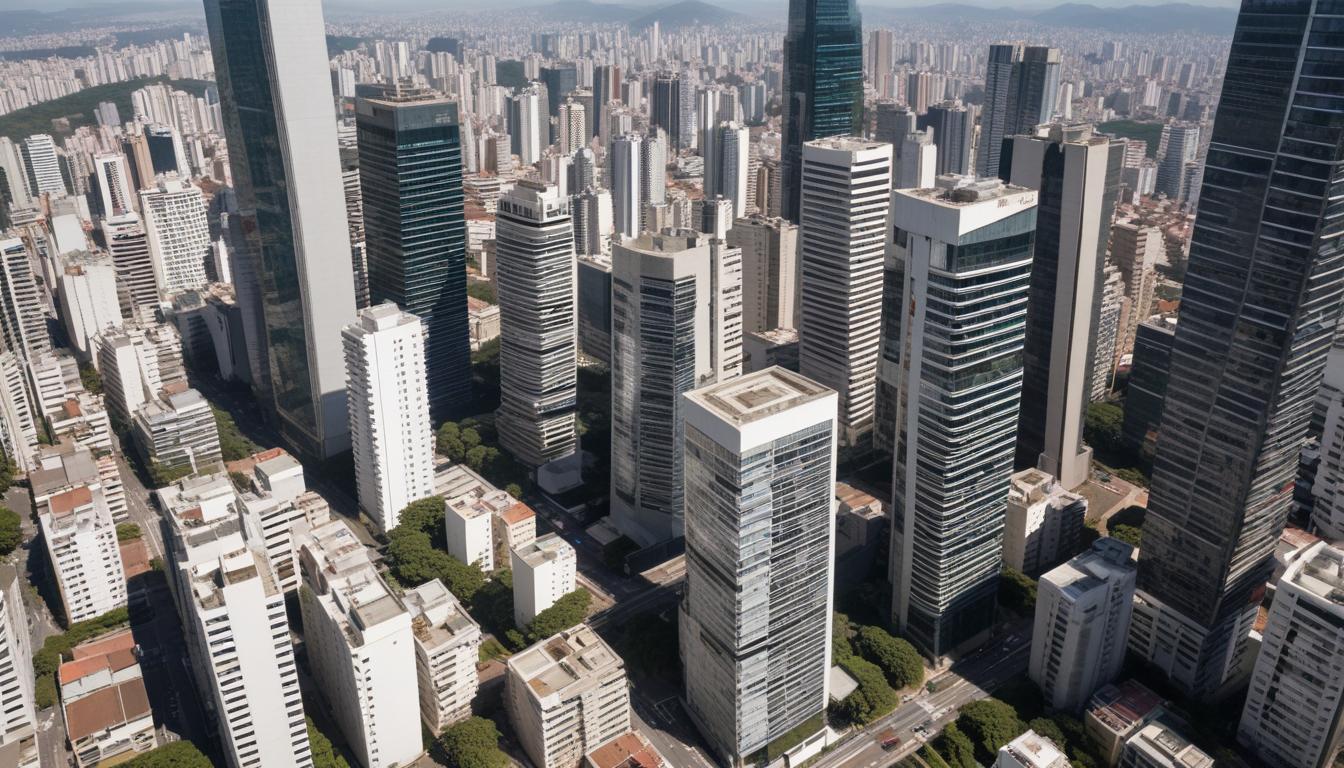
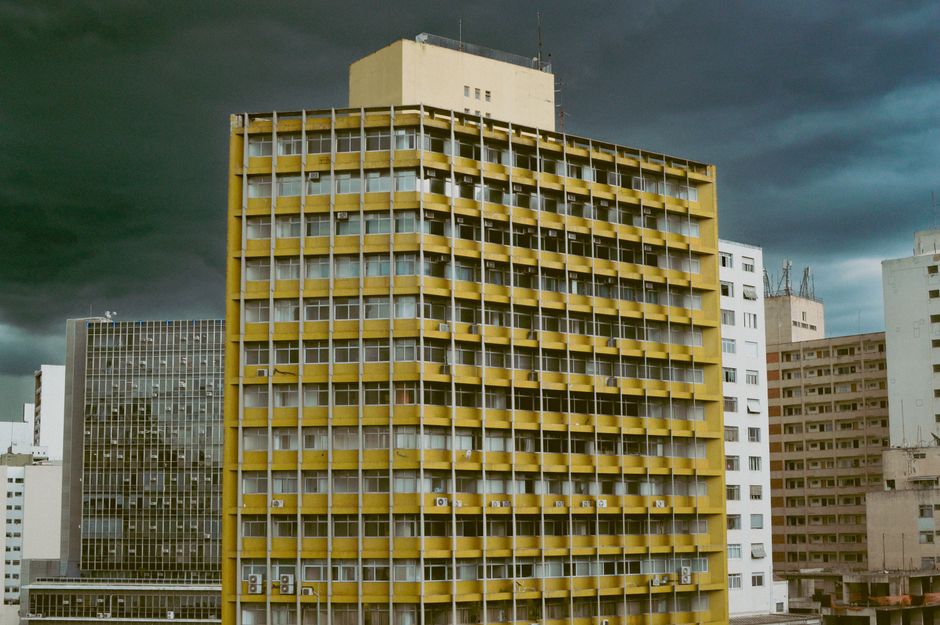
Why São Paulo's Tourism Boom Is Making Investors Nervous About Money Flow
Record visitor numbers and soaring hotel revenues are reshaping the city's economy, but economists warn uneven growth patterns and currency fluctuations pose real risks.
Record visitor numbers and soaring hotel revenues are reshaping the city's economy, but economists warn uneven growth patterns and currency fluctuations pose real risks.
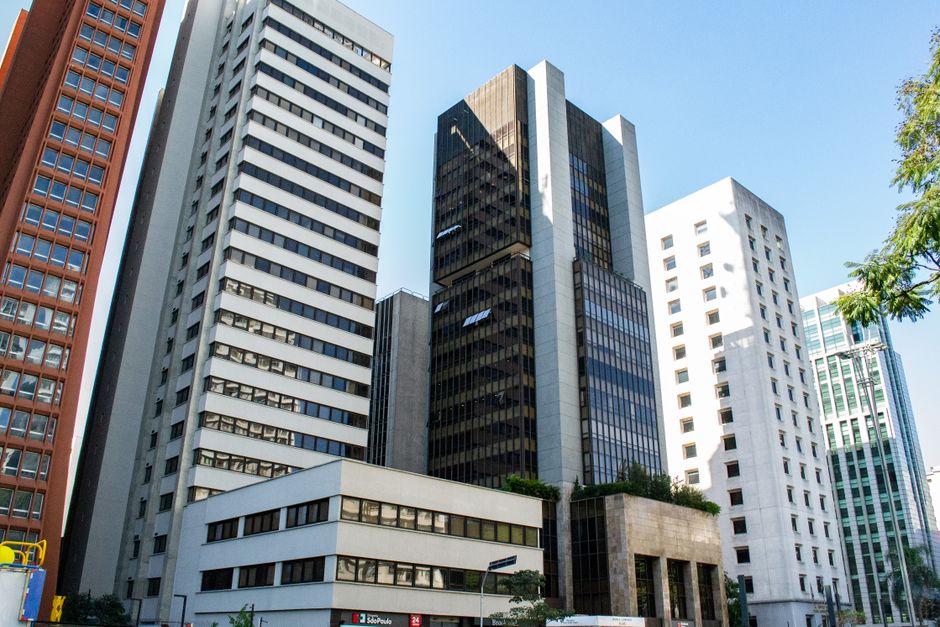
São Paulo's tourism sector is sending conflicting signals to investors watching the city's financial health. While visitor arrivals have climbed 23% year-over-year through mid-2026, reaching 15.8 million annual visitors, the distribution of economic benefits reveals a fragmented picture that challenges assumptions about broad-based growth.
The numbers look impressive on the surface. Average daily hotel rates in Jardins have climbed to R$680, up from R$520 two years ago, while occupancy rates in the centro histórico's revitalised districts exceed 78%. Yet the concentration of high-spending visitors in Paulista Avenue, Vila Madalena, and the newly renovated Pinacoteca do Estado corridor masks troubling patterns elsewhere.
Tourism economists tracking Embratur data note that middle-market accommodation—the backbone of sustainable visitor economy growth—has actually contracted. Hostels and three-star hotels in Bom Retiro and Consolação report 15% fewer bookings despite overall visitor increases. This suggests the market is polarising: luxury tourism thrives while budget and mid-range operators struggle with razor-thin margins.
Investment flows tell the real story. Foreign direct investment in São Paulo's hospitality sector reached $340 million in 2025, concentrated among international chains building luxury properties. Meanwhile, domestic investment in regional attractions and mid-tier accommodations dropped 31% year-over-year. Property developers are racing to build high-end hotels near MASP and along Rua Oscar Freire, but neighbourhood guesthouses in Vila Mariana face rising operational costs without corresponding revenue growth.
Currency volatility compounds these challenges. The real's fluctuations against the dollar directly impact both visitor spending patterns and the cost of importing hotel furnishings and tourism infrastructure. A weakening currency attracts international tourists—good for operators—but increases debt servicing for businesses that borrowed in dollars to fund expansions.
Industry groups like ABIH São Paulo report that employment in tourism has grown, but wage data from DIEESE shows compensation gains are minimal outside luxury establishments. Airport traffic through Congonhas and Guarulhos international terminals jumped 18%, yet this hasn't translated proportionally into tax revenue improvements at the municipal level.
The core issue: São Paulo's tourism economy is expanding but not deepening. High-end investment crowds out mid-market development, geographic concentration limits spillover benefits to peripheral neighbourhoods, and currency risks hang over long-term planning. Investors should watch whether city administration successfully diversifies the visitor economy beyond the established Paulista-Jardins-Vila Madalena corridor. Without that structural rebalancing, even record visitor numbers won't guarantee stable returns.
This article was compiled by AI from the sources linked above and screened before publishing. See our editorial standards.
How does this story make you feel?
Spread the word
About this article
Published by The Daily São Paulo
Daily brief
Free, in your inbox before 7am. Weekdays.
More in Business