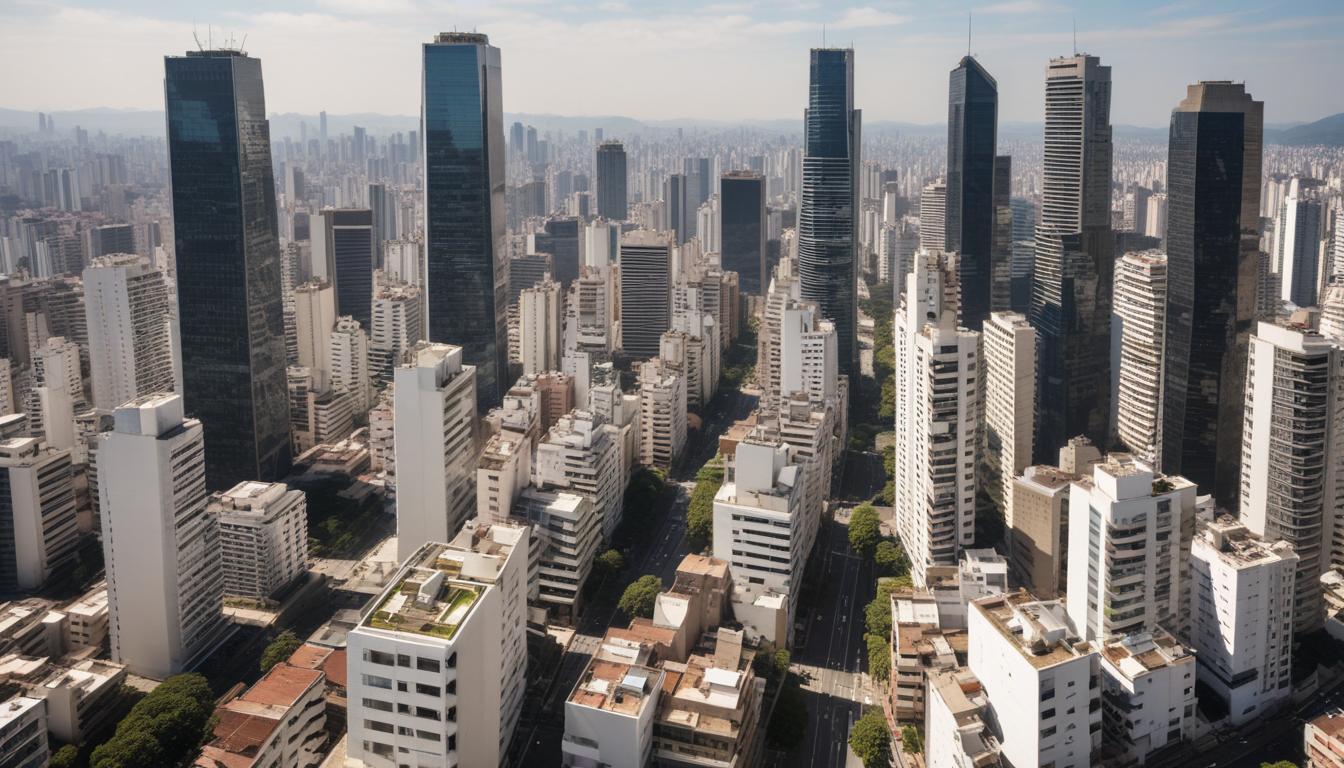
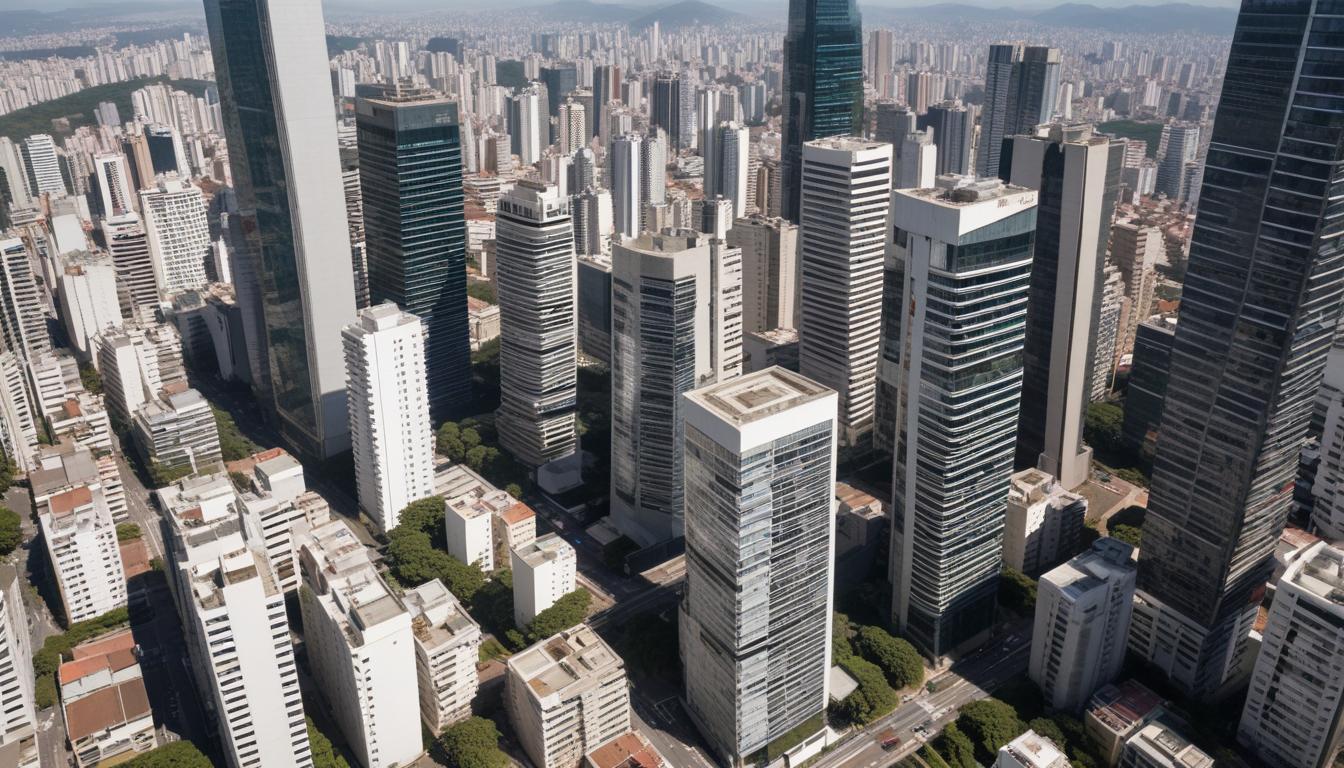
The arithmetic of survival in São Paulo has shifted dramatically. A family grocery run through the markets near Pinheiros now costs 40% more than it did three years ago, while rent in Vila Madalena climbs past R$4,500 monthly for modest two-bedroom apartments. Yet amid this squeeze, an unexpected investment ecosystem is flourishing—and those positioned early are reaping substantial returns.
Asset managers specialising in inflation-protected securities report record inflows. Veedha Investimentos, headquartered near Avenida Paulista, expanded its team by 18% this quarter, capitalising on retail investors desperate to preserve purchasing power. Their flagship fund tracking inflation-linked bonds has returned 14.7% year-to-date, outpacing conventional fixed income by 340 basis points.
The real opportunity, however, lies in the credit gap. Traditional banks have tightened lending standards precisely when small businesses need capital most. This has created fertile ground for alternative lenders and fintechs operating along Rua Augusta's growing fintech corridor. Companies facilitating peer-to-peer lending and receivables-backed financing are processing R$2.3 billion monthly—double the volume from 18 months ago.
Neighbourhood-level retail tells another story. Convenience stores and delivery-focused operations in districts like Tatuapé and Itaquera are attracting venture investment at valuations that would have seemed absurd in 2023. Why? They're solving the cost-of-living problem directly, offering fractionalised purchases and loyalty programs that stretch household budgets. One such chain closed a R$85 million Series B round in April.
The middle-class pressure, paradoxically, has validated an entire sector focused on financial inclusion. Fintech platforms offering microcredit, wage advances, and investment products with minimum deposits of R$50—previously dismissed as niche—now service 4.2 million active users across the metropolitan area.
But there's a darker undercurrent. While sophisticated investors in the Jardins neighbourhood access defensive strategies and yield optimization, working families in the periphery are increasingly trapped in high-cost debt cycles. Unregulated lending has surged alongside formal fintech growth, with some operators charging effective annual rates exceeding 200%.
The São Paulo investment story of 2026 is thus bifurcated: genuine wealth-creation opportunities exist for those with capital and sophistication, while systemic pressures on the majority are being exploited as much as addressed. The winners are identifiable—early-stage investors in inflation solutions, fintech platforms, and alternative credit infrastructure. Whether this opportunity benefits the city broadly, or merely transfers wealth upward, remains the unresolved question.
This article was compiled by AI from the sources linked above and screened before publishing. See our editorial standards.