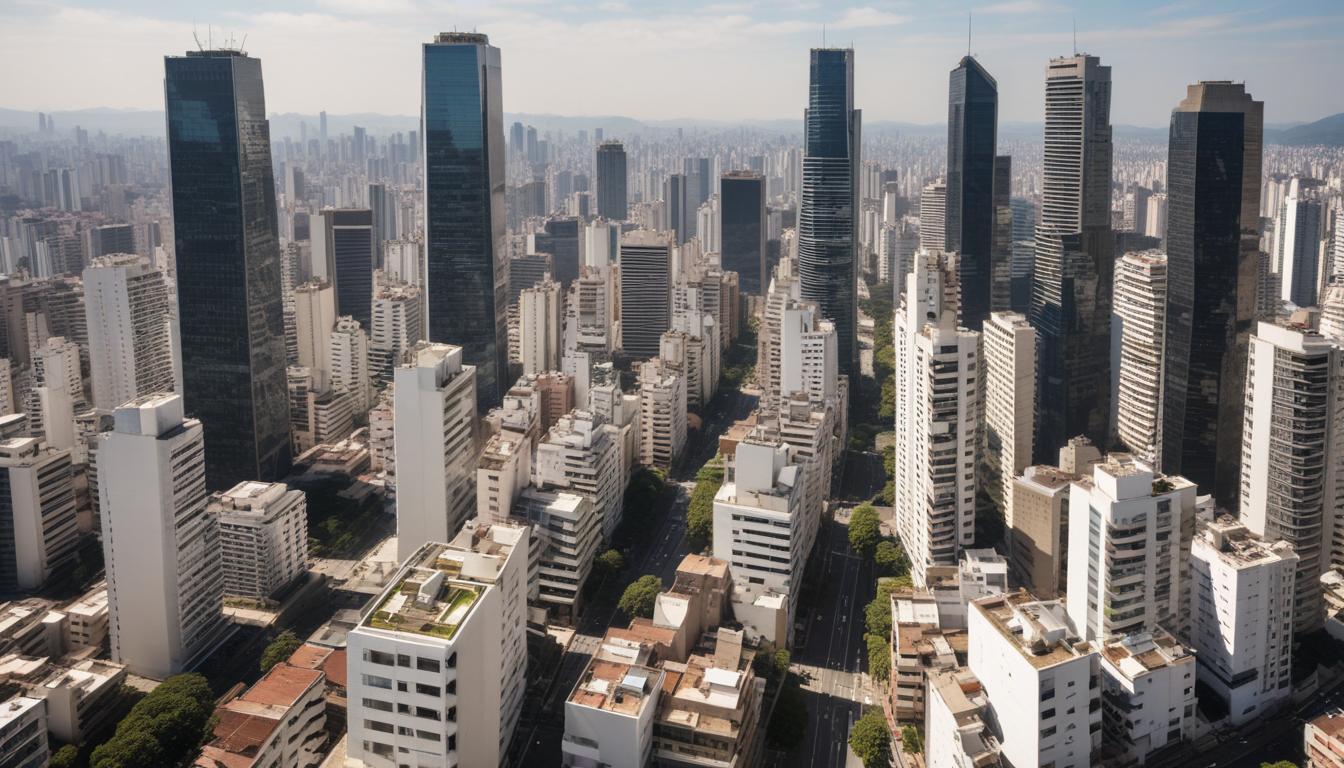
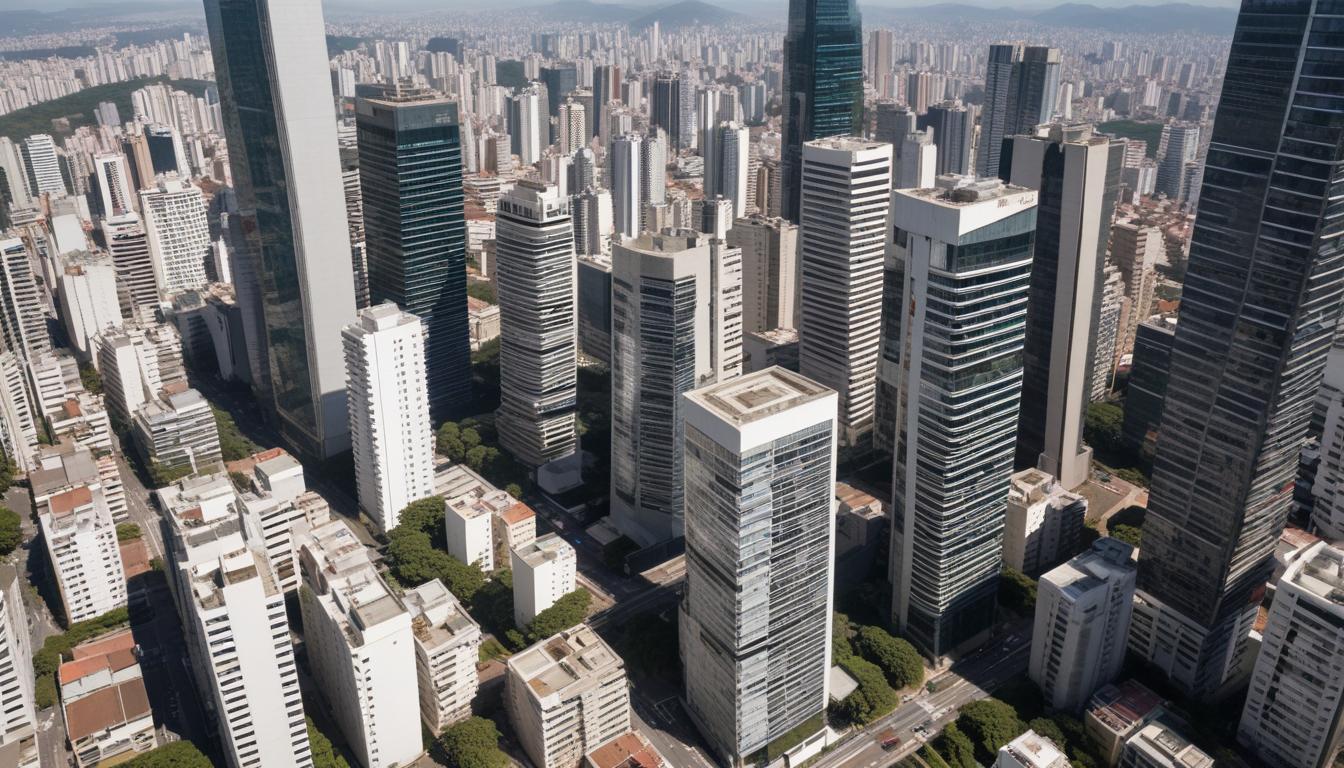
São Paulo's tourism economy is undergoing a structural transformation that extends far beyond occupancy rates and ticket sales. The surge in international arrivals—up 18 per cent year-over-year according to São Paulo Tourism Authority data—is fundamentally reshaping how businesses recruit, train, and retain talent across the city's hospitality ecosystem.
The numbers tell a compelling story. High-end hotels clustering around Avenida Paulista, Jardins, and the emerging Pinheiros district are actively recruiting experienced housekeeping supervisors, concierges, and guest services managers. Entry-level hospitality positions that commanded 2,500 reais monthly two years ago now routinely offer 3,200 to 3,600 reais, plus performance bonuses. Mid-level management roles have seen comparable increases of 15 to 22 per cent.
"We're competing with international hotel chains for the same talent pool," explains the general manager perspective from properties operating across Vila Mariana and Consolação, where several new boutique and mid-range properties opened in 2025. The talent shortage reflects broader dynamics: younger workers increasingly pursue hospitality careers, particularly in English-speaking roles commanding premium compensation. Language skills—especially fluency in English, Spanish, and Mandarin—have become non-negotiable currency in São Paulo's visitor economy.
The ripple effects extend into adjacent sectors. Tour operators, restaurant groups, and cultural institutions along Rua 25 de Março and around Mercadão are experiencing similar wage pressures. Culinary schools report record enrolment, with hospitality management programs at institutions like SENAC seeing applications increase 34 per cent over the past eighteen months.
Real estate and commercial development follow visitor flows. Property values in Pinheiros have accelerated partly due to boutique hotel projects and dining establishments catering to international tourists. This creates secondary employment—construction, property management, and retail staffing roles that further stress local labour markets.
Yet challenges persist. Many hospitality workers still lack formal qualifications, creating mismatch between employer expectations and available talent. Training initiatives, some supported by São Paulo's Chamber of Commerce, attempt to bridge this gap. Still, industry bodies acknowledge that wage growth alone won't solve deeper issues around job stability, benefits provision, and career progression in traditionally precarious roles.
Tourism's expansion is undeniably reshaping São Paulo's economic geography and labour dynamics. Whether this transformation benefits workers equitably—or primarily advantages employers and property investors—remains contested. For now, the visitor economy's hunger for talent continues rewriting the rules of engagement across hospitality and service sectors citywide.
This article was compiled by AI from the sources linked above and screened before publishing. See our editorial standards.