São Paulo's Innovation Districts Are Booming—Here's Who's Cashing In
As tech corridors expand beyond Vila Madalena, savvy investors and early-stage founders are capturing unprecedented opportunities in the city's emerging startup hubs.
As tech corridors expand beyond Vila Madalena, savvy investors and early-stage founders are capturing unprecedented opportunities in the city's emerging startup hubs.
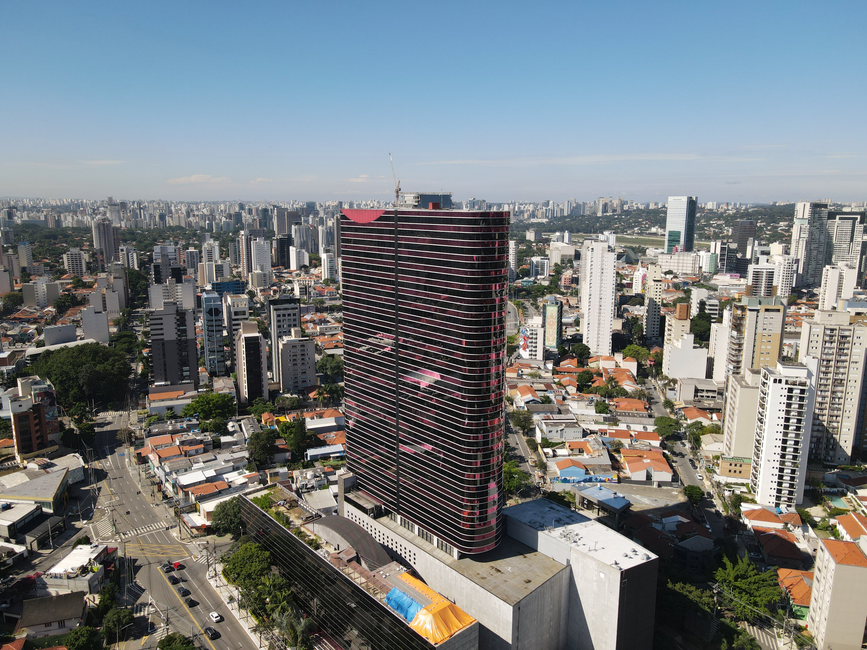
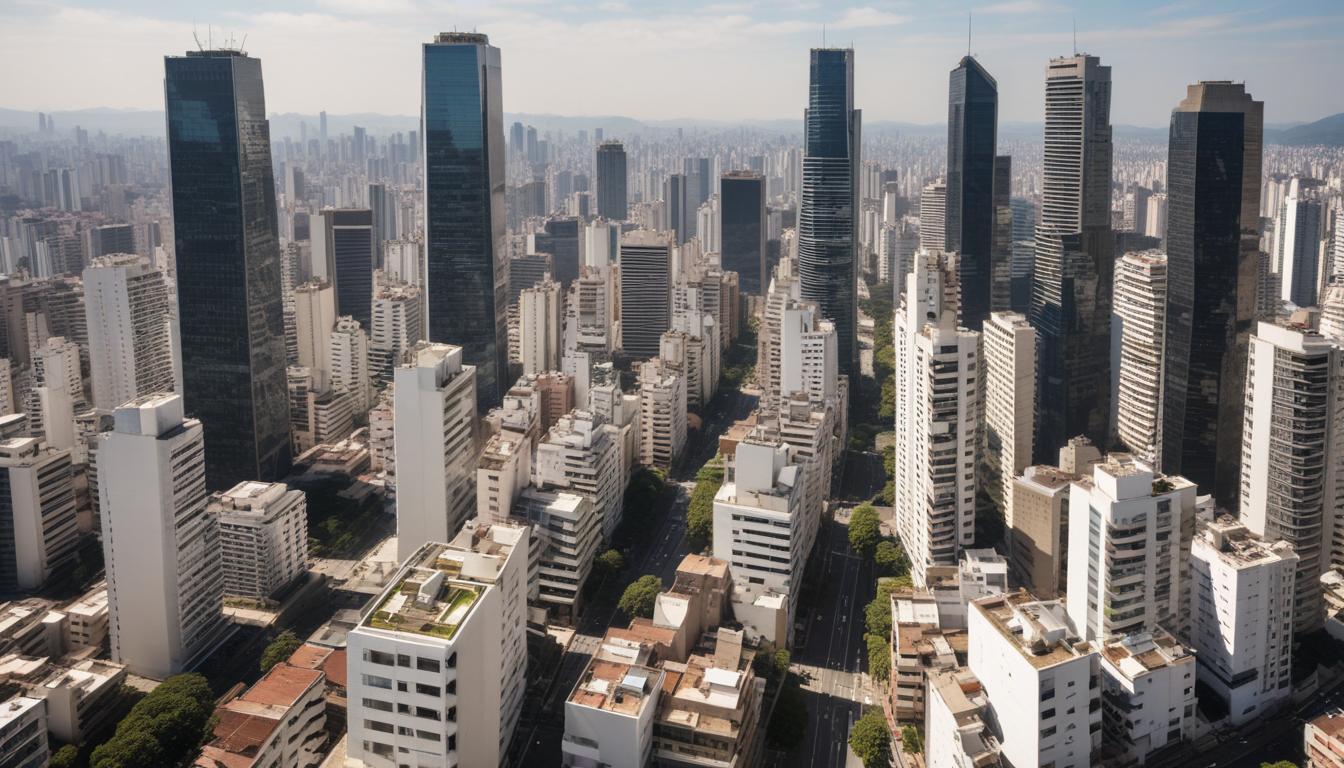
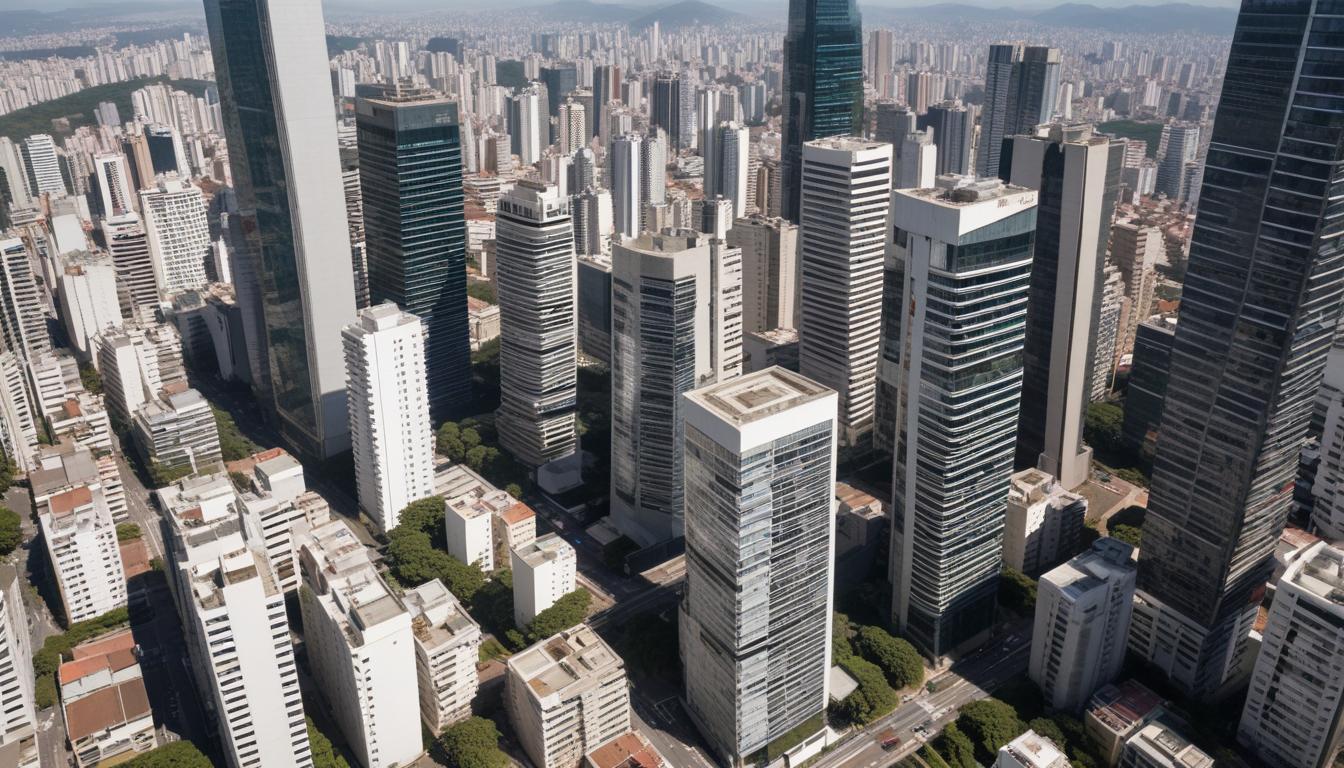
São Paulo's startup ecosystem is experiencing a geographic shift that's reshaping real estate valuations, venture capital flows, and entrepreneurial momentum across the city. While Vila Madalena remains the established epicenter, new innovation districts are crystallizing around Pinheiros, the Luz neighbourhood, and increasingly along the Avenida Paulista corridor, creating a multi-node network that's attracting both domestic and international capital.
The numbers tell a compelling story. According to recent data from local venture capital associations, startup funding in São Paulo reached R$3.2 billion in 2025, with nearly 40 percent flowing to companies operating outside traditional tech hubs. Property developers have taken notice: commercial real estate in Pinheiros appreciated 18 percent year-over-year, driven partly by demand from accelerators and co-working spaces seeking affordable square footage with younger demographics.
The real winners are the early movers. Established players like Cubo, the innovation hub on Avenida Paulista, have expanded their operations, but newer entrants are capturing ground-floor opportunities. The Luz neighbourhood, historically neglected by the startup world, is experiencing a renaissance. Three new co-working facilities opened there in the past eighteen months, with monthly desk rentals roughly 30 percent cheaper than Vila Madalena—a significant advantage for bootstrap founders and early-stage teams managing burn rates.
Complementary services are following the migration. Secondary-market real estate agencies now specialise in startup office leasing. Business service providers—accounting firms, legal consultants, recruitment specialists—are establishing satellite offices near innovation zones. Young professionals seeking lower rent while remaining connected to São Paulo's entrepreneurial pulse are displacing older residential patterns in neighbourhoods like Vila Leopoldina and Bom Retiro.
Government support has accelerated this decentralization. São Paulo's municipal innovation authority has designated five official tech corridors, offering tax incentives and infrastructure investments. Companies establishing operations in lower-income neighbourhoods near transportation hubs qualify for preferential utility rates and streamlined permitting.
The next wave of beneficiaries will likely be landlords holding commercial property in secondary corridors, logistics providers serving distributed startup ecosystems, and talent acquisition firms staffing rapid expansion across multiple neighbourhoods. Founders who secured affordable long-term leases twelve months ago are now in enviable positions—they've reduced overhead while gaining first-mover advantage in emerging neighbourhoods poised for mainstream attention.
For investors watching São Paulo's landscape, the lesson is clear: opportunity in this market increasingly lies not in competing within established hubs, but in identifying and securing assets in the next ring of expansion before mainstream recognition drives valuations upward.
This article was compiled by AI from the sources linked above and screened before publishing. See our editorial standards.
How does this story make you feel?
Spread the word
About this article
Published by The Daily São Paulo
Daily brief
Free, in your inbox before 7am. Weekdays.
More in Business