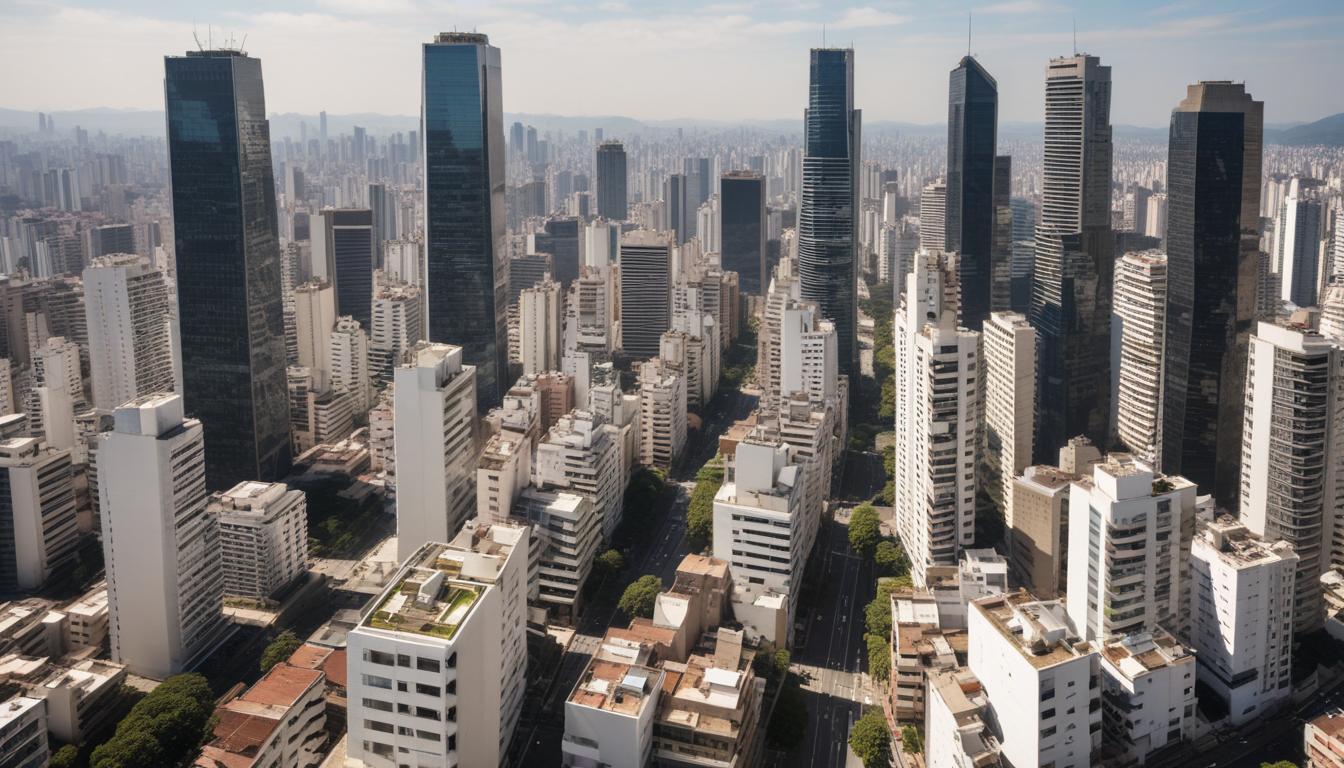
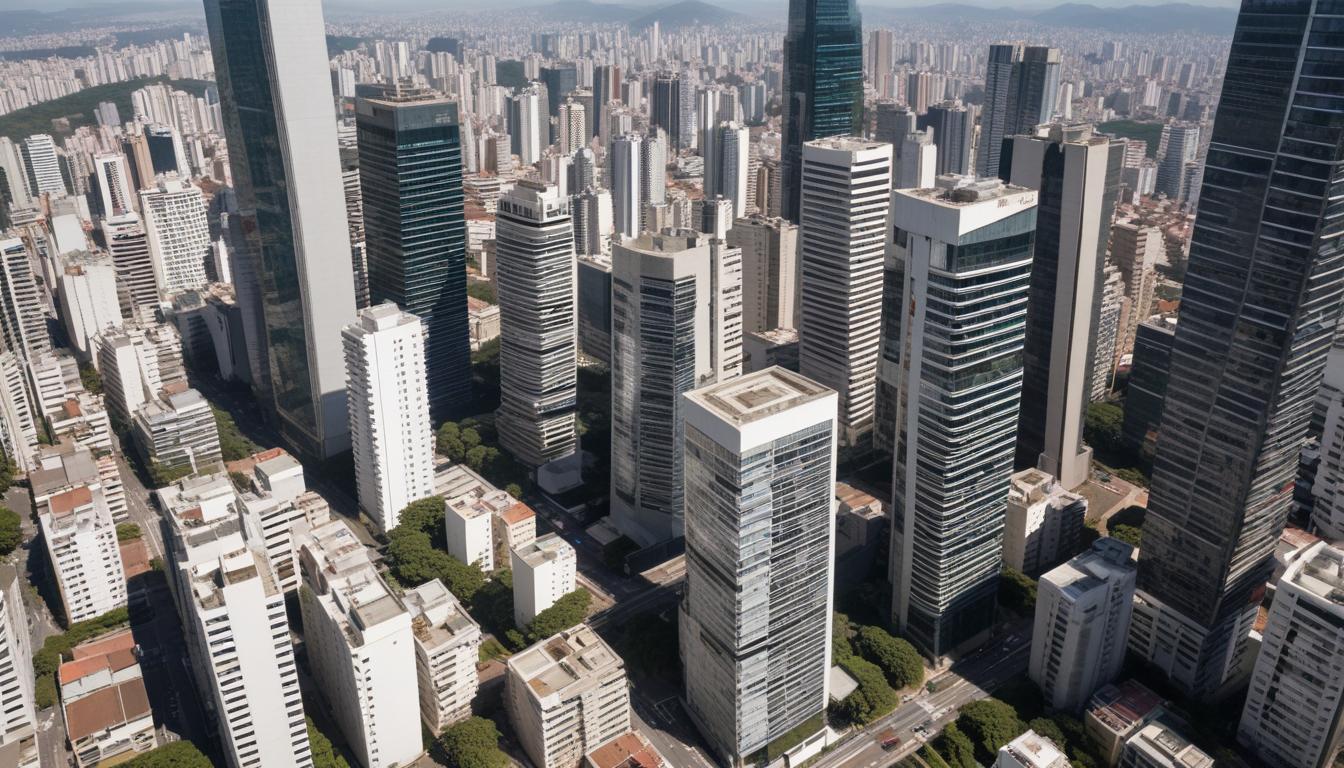
São Paulo's innovation district is experiencing its most significant expansion in a decade. Driven by a combination of remote work normalization, regional venture capital maturation, and corporate innovation initiatives, the city's startup ecosystem has attracted over R$2.8 billion in venture funding during the first half of 2026—a 34% increase from the same period last year, according to preliminary data from the Brazilian Private Equity and Venture Capital Association.
The geographic epicenter remains the Vila Mariana and Pinheiros neighbourhoods, but momentum is spreading decisively westward. Avenida Faria Lima, traditionally a corporate stronghold, has become a magnet for growth-stage startups seeking proximity to established financial services firms. Meanwhile, the revitalized corridors around Rua Augusta and the emerging Bom Retiro tech hub are attracting earlier-stage founders drawn by lower commercial rents and creative community density.
Real estate investors and coworking operators are among the immediate beneficiaries. Commercial space in Vila Mariana commanding R$60 per square metre monthly in 2023 now averages R$95—a 58% appreciation driven almost entirely by startup demand. Major coworking chains have expanded aggressively; Spaces, We Work, and local player Heden have collectively added over 45,000 desks across São Paulo since January, with occupancy rates consistently exceeding 87%.
Service providers are also flourishing. Legal firms specializing in startup incorporation and intellectual property have grown their billable hours by 40-50% year-over-year. Accounting practices catering to early-stage companies report waiting lists for new client onboarding. Recruitment agencies focused on tech talent placement are operating at full capacity, with salaries for senior engineers climbing 22% since 2024.
However, the expanded ecosystem is reshaping competitive dynamics for founders themselves. Seed-stage startups now face significantly more congested pitch environments and higher burn expectations from investors. Office space in premier locations has become a status signifier and operational cost burden for cash-conscious teams.
The longer-term beneficiaries will likely be those positioned between raw opportunity and execution—infrastructure providers, mentorship networks, and the handful of established corporate venture arms leveraging their market position to identify promising early investments. Several multinational banks with headquarters on Avenida Paulista have quietly launched dedicated startup engagement programmes, accessing deal flow while building institutional innovation credentials.
As the ecosystem matures, questions linger about sustainable profitability beyond the current capital cycle. For now, however, the winners are those helping the ecosystem function—not necessarily those building within it.
This article was compiled by AI from the sources linked above and screened before publishing. See our editorial standards.