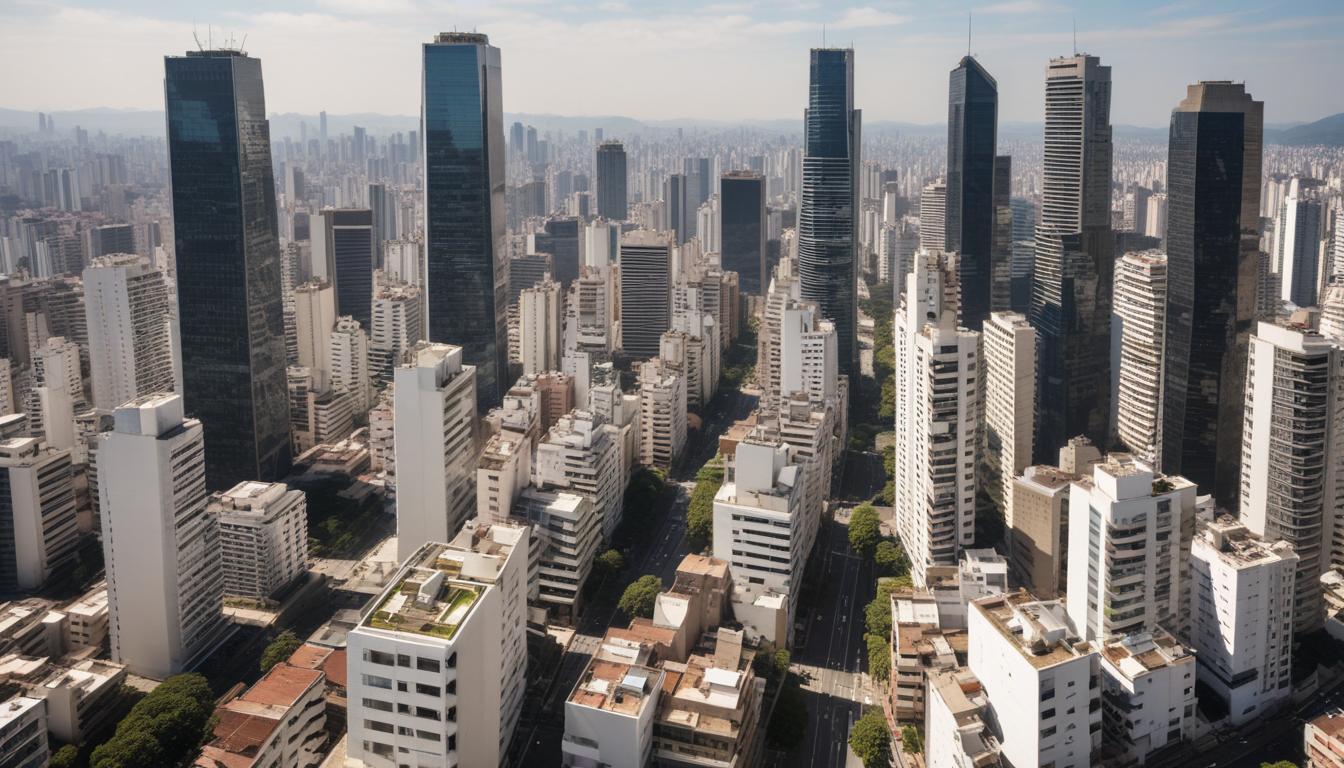
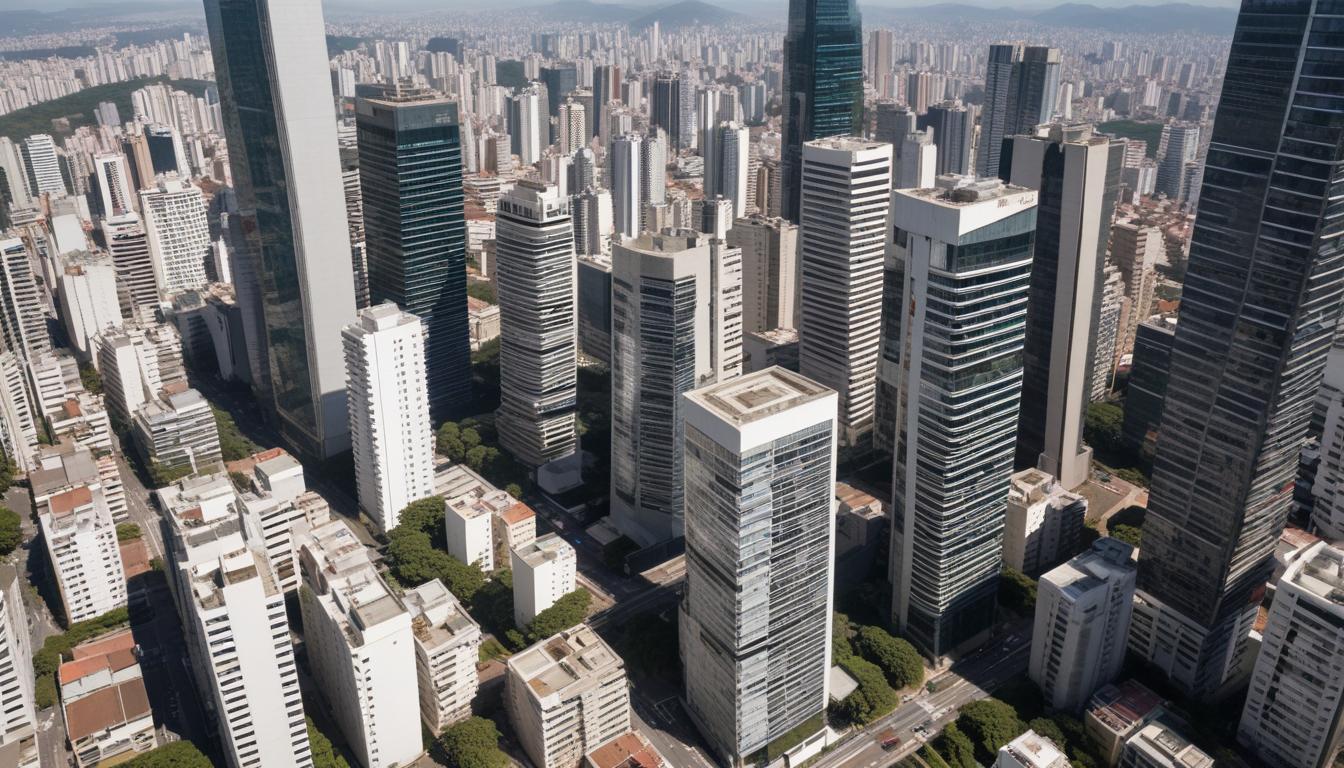
Walk down Rua Vergueiro or browse the independent shops clustering around Avenida Paulista's side streets, and you'll notice something shifting beneath São Paulo's familiar retail landscape. Small business owners—the ones operating everything from family-run butcheries in Perdizes to boutique fashion stores in Pinheiros—are quietly restructuring how they source inventory and price goods. Understanding this transformation matters because it directly affects what residents pay and where they shop.
The pressure is mounting from multiple directions. Import tariffs have risen approximately 12-15 percent since early 2025, according to informal surveys among traders at the CEAGESP wholesale market in Vila Mariana. Meanwhile, domestic logistics providers have increased delivery fees by up to 20 percent in the past eighteen months. For a small business operator managing thin profit margins—typically between 8-12 percent for independent retailers—these incremental costs quickly become existential.
The response has been creative but consequential. Many entrepreneurs are consolidating orders to reduce delivery frequency, which means longer wait times for specialty items. Others are forming informal buying cooperatives, pooling resources with neighbouring shops to negotiate better wholesale prices. Some are even pivoting their product mix, focusing on higher-margin items or locally-sourced goods that bypass traditional supply chains entirely.
This matters to everyday residents in tangible ways. First, product availability is changing. Independent shops can no longer afford to stock the same diversity of items they once did. Second, pricing is becoming less predictable. Rather than absorbing costs, many small business owners are passing increases directly to consumers—expect to see price adjustments ranging from 5-8 percent across neighbourhood commerce by mid-2026. Third, the character of São Paulo's commercial districts is shifting toward consolidation around a smaller number of larger independent retailers who can absorb these pressures more effectively.
For consumers, the immediate takeaway is straightforward: loyalty to independent retailers now requires understanding their operational constraints. Buying patterns that seemed insignificant—demanding last-minute deliveries or expecting identical pricing to large chains—genuinely threaten neighbourhood businesses. The corner pharmacy in Itaim Bibi, the juice bar in Consolação, the used bookstore in Vila Madalena: these aren't luxuries insulated from market forces.
The broader question facing São Paulo is whether residents value the diversity and accessibility these small businesses provide enough to adjust their expectations about pricing, availability, and convenience. That choice will determine which neighbourhoods retain their character and which become dominated by corporate chains.
This article was compiled by AI from the sources linked above and screened before publishing. See our editorial standards.