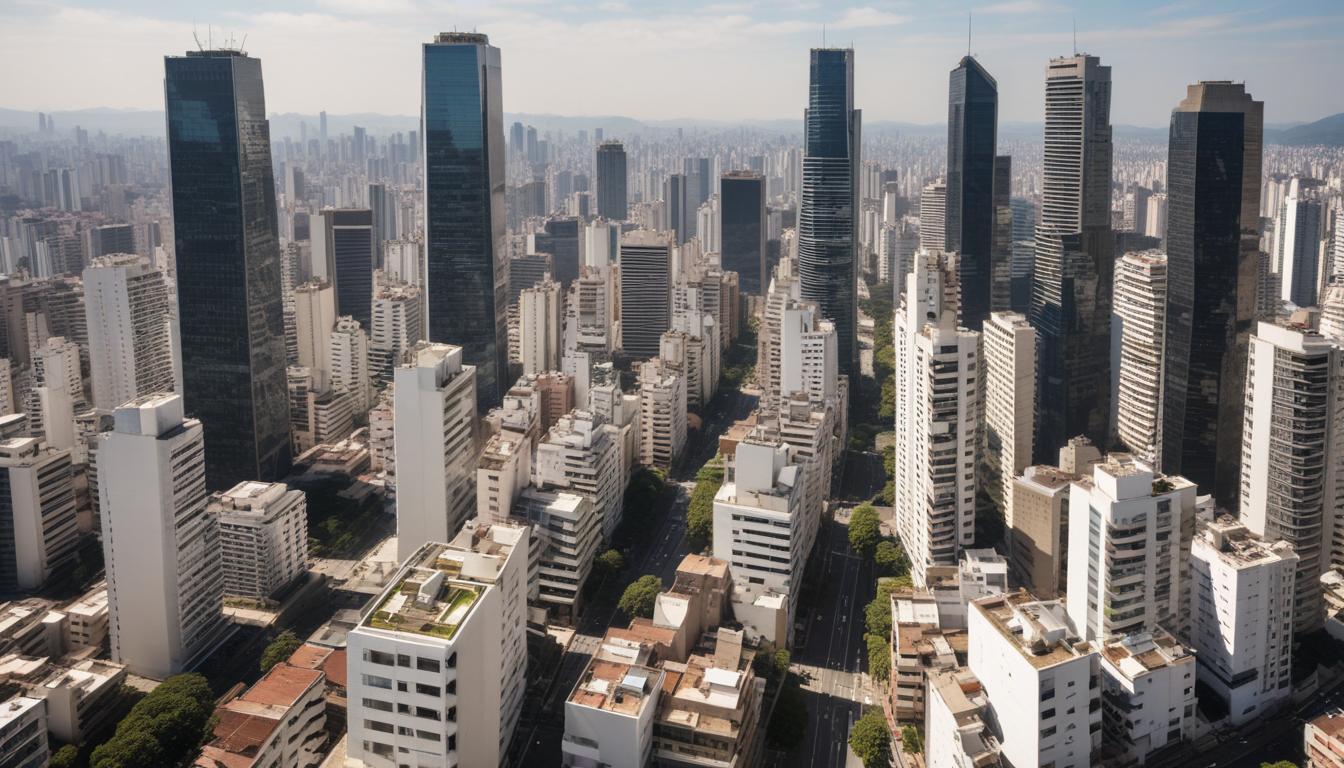
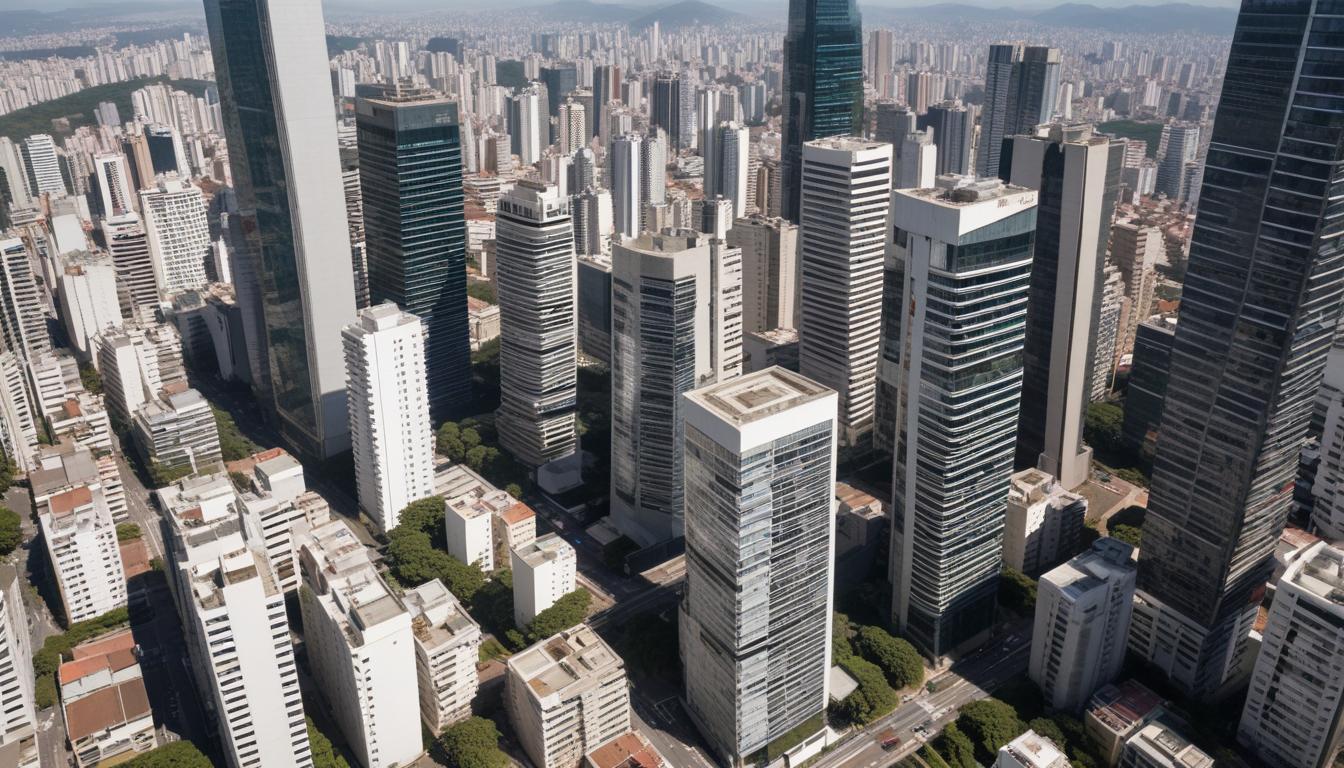
The boardrooms lining Avenida Paulista are grappling with an uncomfortable reality: the global trade environment that favoured Brazilian exporters for the past eighteen months is fragmenting rapidly. Escalating geopolitical tensions—from Middle East brinkmanship to Central African instability—are creating ripple effects that hit São Paulo's business ecosystem harder than most Brazilian cities, given its outsized role as the nation's trade and finance hub.
Container shipping costs through the Suez Canal have spiked 34 percent since early June, according to freight brokers operating from the Zona Cerealista near the Mercado Central. For São Paulo's agribusiness exporters—a sector worth roughly R$18 billion annually from the state—that translates directly into margin compression. Companies shipping grain, coffee, and processed meats to European and Asian markets are now factoring in month-long route detours around the Cape of Good Hope, adding between 8 and 12 days to transit times.
Currency volatility compounds the challenge. The real has weakened 6.8 percent against the dollar since mid-June, a swing that sounds positive for exporters until logistics and raw material costs spike simultaneously. Metal traders operating from offices in the Liberdade and Vila Mariana districts report that rising geopolitical risk is pushing up aluminium and copper futures, squeezing manufacturers who lock in prices months ahead.
Yet there's a counterintuitive opportunity emerging. Several mid-sized exporters based near the CIETEG (Centro de Inteligência, Estratégia e Tecnologia do Governo) corridors are pivoting toward markets previously considered secondary—notably West Africa and Southeast Asia. As traditional supply chains fracture, demand for Brazilian agricultural inputs, machinery, and consumer goods in these regions is accelerating.
The São Paulo Chamber of Commerce reports that requests for trade documentation to non-traditional destinations have risen 27 percent since April. Companies are also reconsidering supplier diversification: the era of hyper-optimised just-in-time supply chains from single Asian manufacturers appears to be ending.
For businesses in São Paulo's dense commercial ecosystem, the immediate lesson is stark: diversification is no longer optional. Firms that operate across multiple markets, currencies, and logistics routes will weather the volatility. Those dependent on specific geopolitical corridors face serious headwinds ahead. The question isn't whether these tensions will affect your business—it's how quickly you can adapt your supply chain to survive them.
This article was compiled by AI from the sources linked above and screened before publishing. See our editorial standards.