São Paulo's labour market, long considered the engine of Brazil's employment machine, is facing unprecedented headwinds as 2026 enters its second half. Unemployment in the metropolitan region has climbed to 8.7 per cent—a two-year high—while underemployment persists as a stubborn structural problem affecting nearly two million residents.
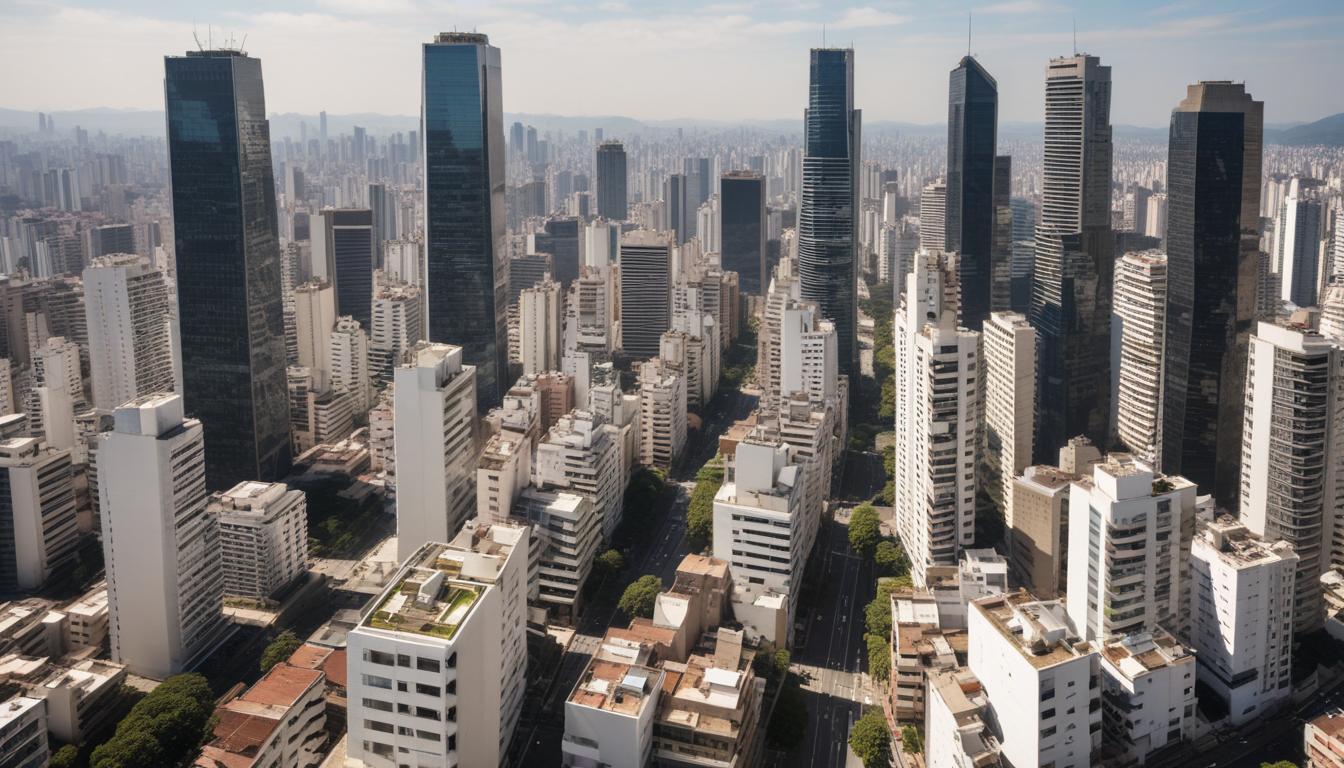
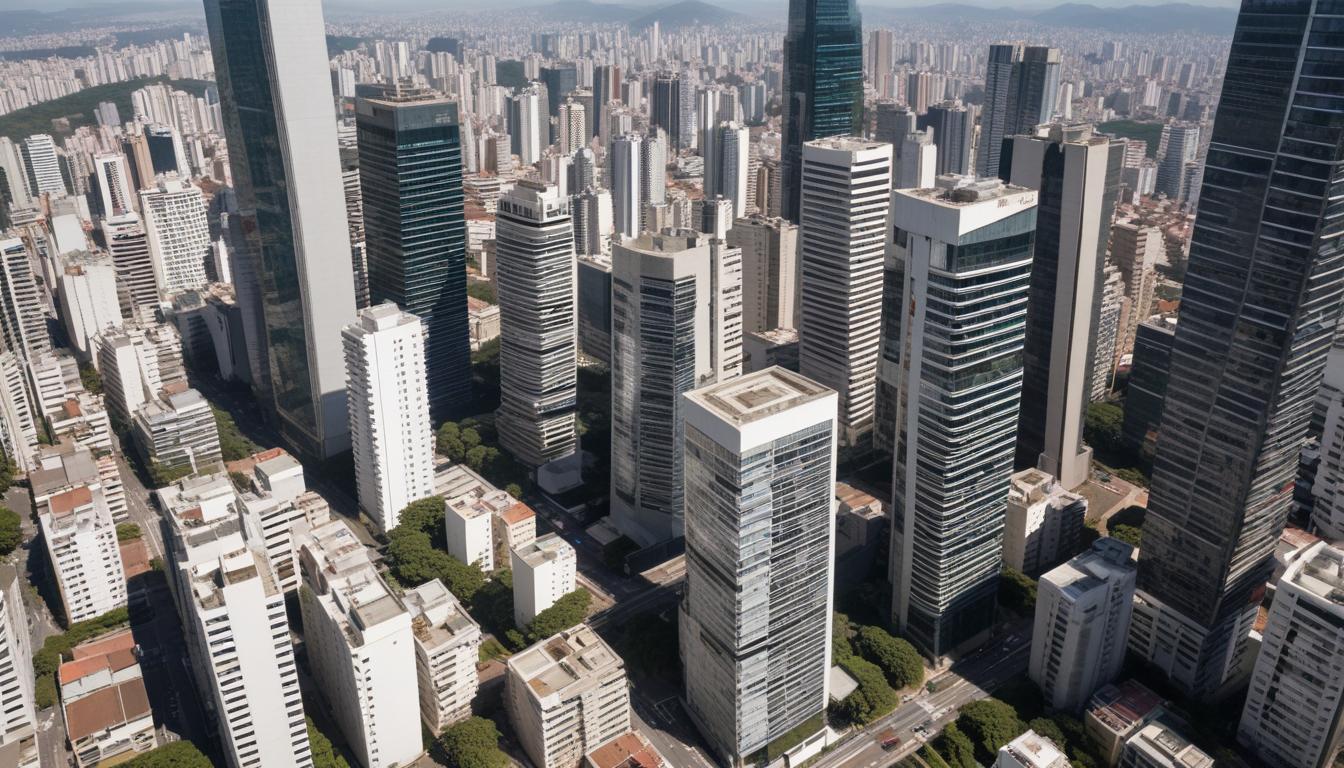
The challenges ripple across the city's major business districts. In the Faria Lima corridor, where multinational finance houses and tech startups typically compete fiercely for talent, hiring has stalled. Several firms have announced hiring freezes or restructuring plans, citing currency depreciation and tighter credit conditions. The real's volatility against the dollar has made long-term employment commitments riskier for companies with international exposure.
Manufacturing remains particularly vulnerable. Industrial zones in the ABC region—Santo André, São Bernardo do Campo, and Diadema—have shed approximately 12,000 positions since January. Automation and supply-chain reconfiguration continue to outpace job creation in traditional sectors, though logistics and warehousing around the CEAGESP area have offered some relief.
Service industries, which employ roughly 70 per cent of São Paulo's workforce, face their own pressures. Hospitality venues in Vila Mariana and Pinheiros report reduced bookings, constraining entry-level hiring. Retail chains along Avenida Paulista and in Ibirapuera's commercial zones have tightened staffing models, relying more heavily on part-time contracts.
The technology sector, traditionally a bright spot, shows warning signs. While innovation hubs in Bom Retiro and Vila Madalena continue attracting investment, salary compression and longer hiring cycles have frustrated job seekers. Professional services, including accounting and legal firms clustered in Centro, are pursuing selective hiring rather than expansion.
Education and healthcare—counter-cyclical employers—continue growing, though wage stagnation has limited their appeal. Universities in Zona Leste and medical facilities across the city report steady demand, but competitive salaries remain elusive.
The informal sector, which absorbs roughly 40 per cent of São Paulo's workforce, has contracted as consumer spending softens. Street vendors, domestic workers, and gig-economy participants report declining income opportunities.
Business leaders point to macroeconomic uncertainty, fiscal concerns, and investment hesitation as primary culprits. The São Paulo State Federation of Commerce expects conditions to remain challenging through year-end, with meaningful recovery unlikely before 2027. For a city accustomed to resilience and dynamism, 2026 has become a defining test of adaptability.
This article was compiled by AI from the sources linked above and screened before publishing. See our editorial standards.