What São Paulo Residents Need to Know About the Tourism Boom Reshaping Your City
Record visitor numbers are transforming neighbourhoods, raising rents, and changing daily life—here's what's actually happening and who bears the real cost.
Record visitor numbers are transforming neighbourhoods, raising rents, and changing daily life—here's what's actually happening and who bears the real cost.
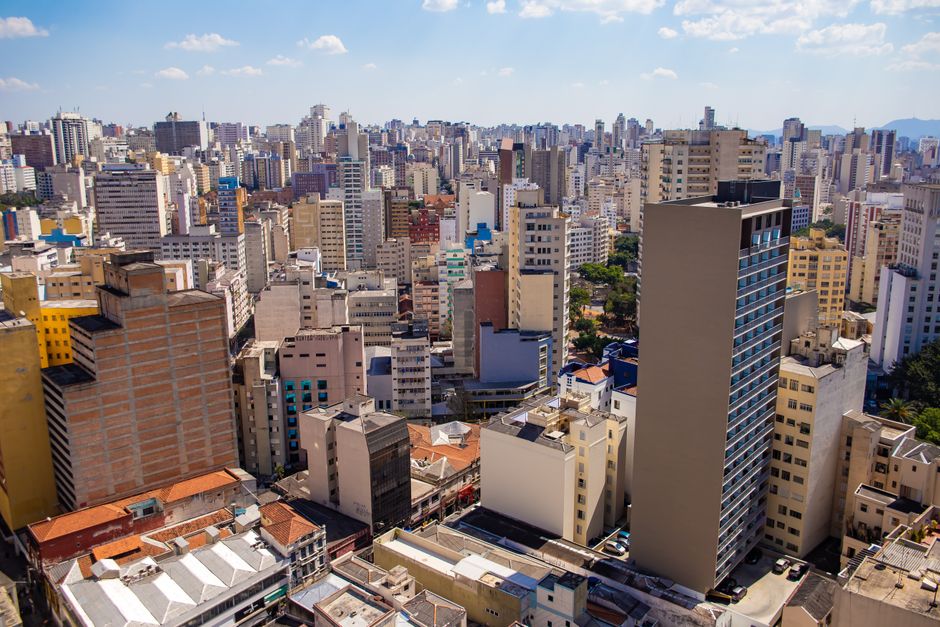
São Paulo is experiencing a tourism surge that locals are feeling everywhere—from crowded Metrô cars during peak hours to soaring rental prices in Vila Madalena and Pinheiros. International arrivals reached 2.8 million last year, up 34% from 2024, according to São Paulo Convention & Visitors Bureau data. For residents navigating daily life, this boom carries immediate, tangible consequences worth understanding.
The most visible impact hits housing costs. In traditionally bohemian neighbourhoods like Vila Madalena and Vila Mariana, short-term rental platforms have converted residential apartments into quasi-hotels. Average monthly rents in these areas have climbed 18-22% year-on-year, pricing out young families and middle-income professionals. Meanwhile, permanent residents increasingly share sidewalks with tour groups near landmarks like MASP (Museu de Arte de São Paulo) and the Cathedral on Praça da Sé, creating congestion that affects local commerce and commuting patterns.
Transport infrastructure feels the strain most acutely. The Metrô's Line 3 (Vermelha), which connects central districts to tourist hubs like Liberdade and around Estação da Luz, experiences 12-15% higher crowding during peak tourism seasons. City planning officials acknowledge that infrastructure investments haven't kept pace with visitor growth, meaning everyday commuters absorb the friction.
Yet tourism spending does circulate through the economy. Restaurants in Bom Retiro and around Rua Augusta report 25-30% revenue increases, though wage growth for service sector workers hasn't matched cost-of-living rises. Small business owners in neighbourhoods like Consolação benefit from increased foot traffic, but face higher commercial rents themselves—a cost many pass to consumers through menu price increases averaging 8-12% annually.
Local government has promoted São Paulo as a year-round destination, with major events like São Paulo Fashion Week and Art Basel drawing international crowds. This positioning generates tax revenue earmarked for public services, though residents debate whether these investments reach their neighbourhoods equitably.
For everyday residents, practical considerations matter: booking restaurants in advance during peak seasons (July and December typically see 40% visitor surges), anticipating longer queues at cultural institutions, and understanding that neighbourhoods are undergoing permanent character shifts. The Airbnb economy that enriches some landlords simultaneously reshapes community fabric, replacing local social networks with transient populations.
The core truth São Paulo residents should grasp: tourism economics aren't neutral. They create winners and losers. Planning your commute around tourist season, understanding local businesses' changing economics, and engaging with how your neighbourhood develops are no longer optional—they're survival skills in a city transforming in real-time.
This article was compiled by AI from the sources linked above and screened before publishing. See our editorial standards.
How does this story make you feel?
Spread the word
About this article
Published by The Daily São Paulo
Daily brief
Free, in your inbox before 7am. Weekdays.
More in Business