São Paulo's Office Market Shifts Gears: What Businesses Must Know Right Now
Hybrid work, rising interest rates, and a flight to premium locations are reshaping demand—here's how savvy companies should navigate the next phase.
Hybrid work, rising interest rates, and a flight to premium locations are reshaping demand—here's how savvy companies should navigate the next phase.

São Paulo's commercial property landscape is undergoing a significant recalibration. After years of pandemic-driven uncertainty, the city's office market is settling into a new equilibrium, one that demands a fresh understanding from business leaders planning real estate strategy.
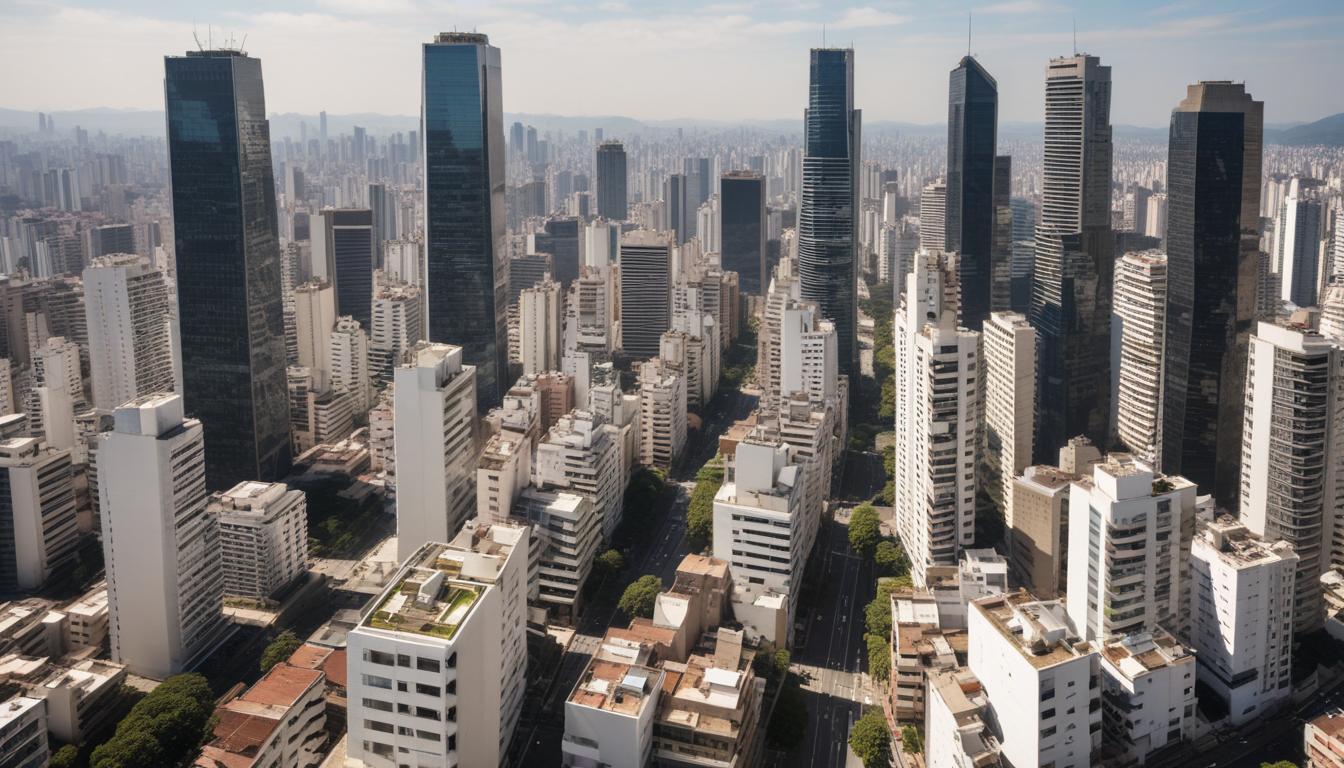
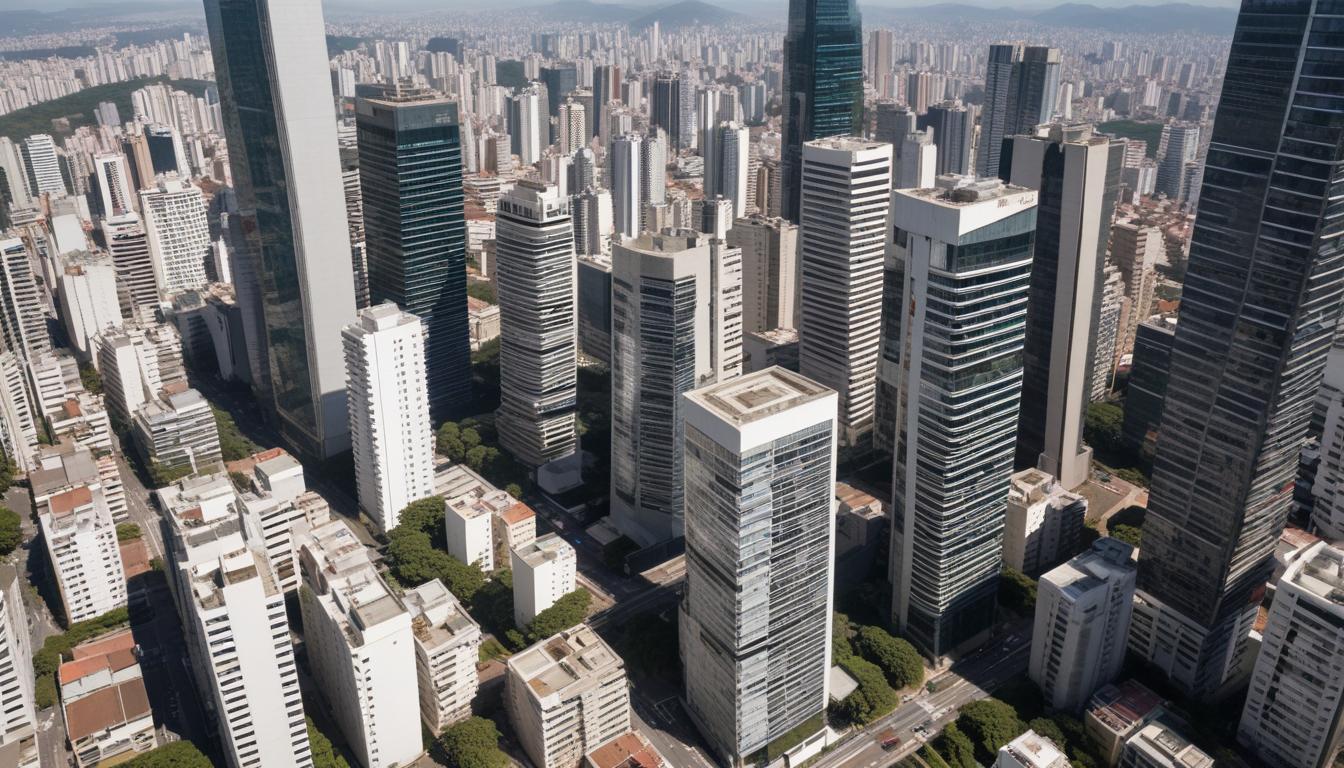
The most striking trend is the divergence between locations. While secondary neighbourhoods struggle with elevated vacancy rates—some districts in the Zona Oeste hovering near 18 percent—premier areas remain resilient. Paulista Avenue and the Vila Mariana corridor continue to command strong demand, with Grade A office space trading at approximately R$60 to R$75 per square metre annually. By contrast, less prestigious zones have seen rates compress to R$25 to R$35, reflecting a clear market segmentation that wasn't as pronounced five years ago.
Hybrid work remains the dominant force reshaping space requirements. Companies across financial services, technology, and creative industries are consolidating sprawling traditional offices into smaller, high-amenity hubs designed for collaboration rather than individual desks. This is particularly evident in Itaim Bibi and Faria Lima, where modern, flexible-lease properties with shared services, wellness facilities, and public spaces command premiums despite market pressures elsewhere.
The interest rate environment adds complexity. Brazil's elevated borrowing costs have cooled investor appetite, particularly for speculative development projects. Construction timelines have stretched, and developers are increasingly cautious about new launches. For occupiers, this creates opportunity: landlords are more willing to negotiate lease terms, offer tenant improvement allowances, and provide flexibility on contract length—conditions markedly different from the seller's market of 2021 and 2022.
Sustainability credentials have moved from marketing advantage to market necessity. Properties certified under LEED or equivalent standards command 5 to 10 percent rental premiums in São Paulo's top markets. Companies in regulated sectors particularly seek these buildings, but broader market awareness is rising across all industries.
One developing wildcard is the expansion of suburban office parks along the Imigrantes and Bandeirantes corridors. As congestion on the Pinheiros and Tatuapé corridors worsens, some mid-sized firms are testing satellite offices in more affordable, accessible locations. This represents a longer-term rebalancing of São Paulo's geography that businesses should monitor.
The message for executives is clear: a one-size-fits-all approach to real estate no longer works. Strategic location selection, lease flexibility, and building quality matter more than ever. Companies that proactively assess whether their current portfolio aligns with hybrid models and future workforce demands—rather than waiting until renewal pressure forces action—will secure better terms and long-term operational advantage in this recalibrated market.
This article was compiled by AI from the sources linked above and screened before publishing. See our editorial standards.
How does this story make you feel?
Spread the word
About this article
Published by The Daily São Paulo
Daily brief
Free, in your inbox before 7am. Weekdays.
More in Business