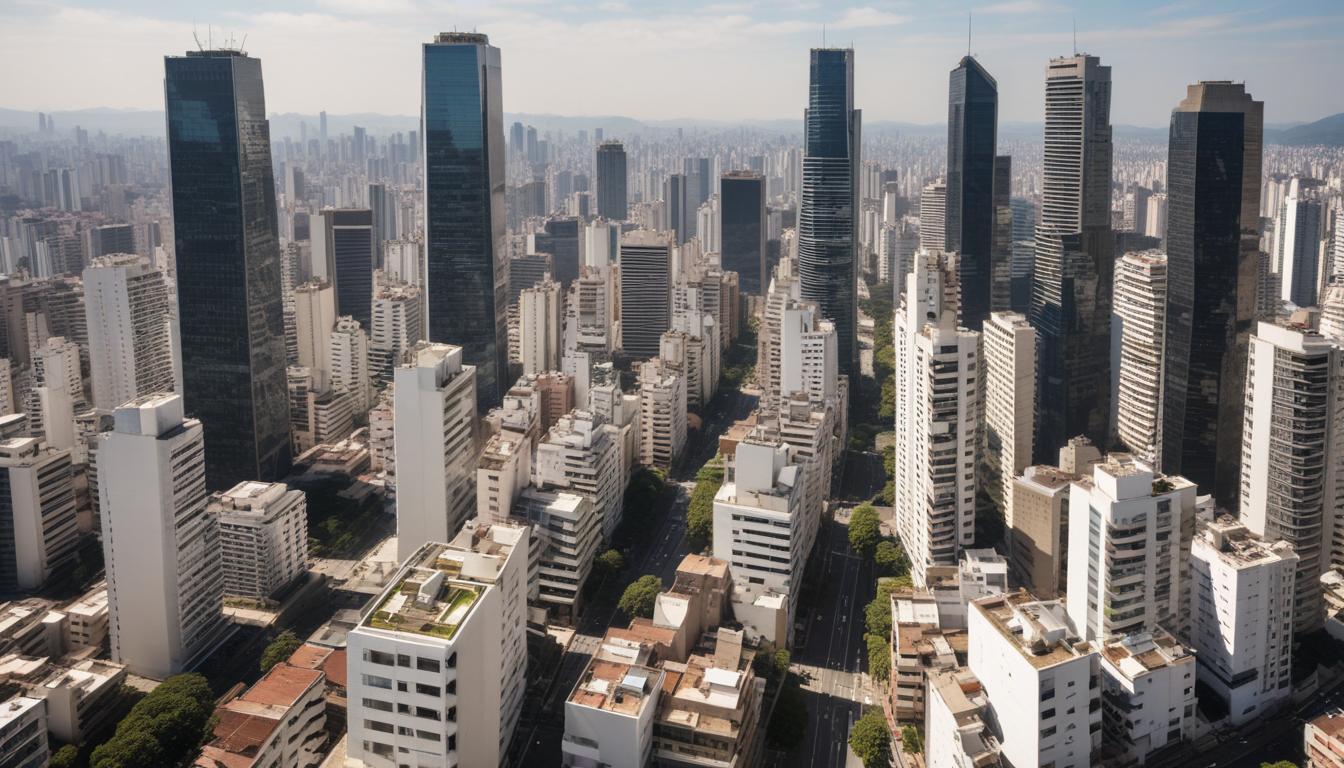
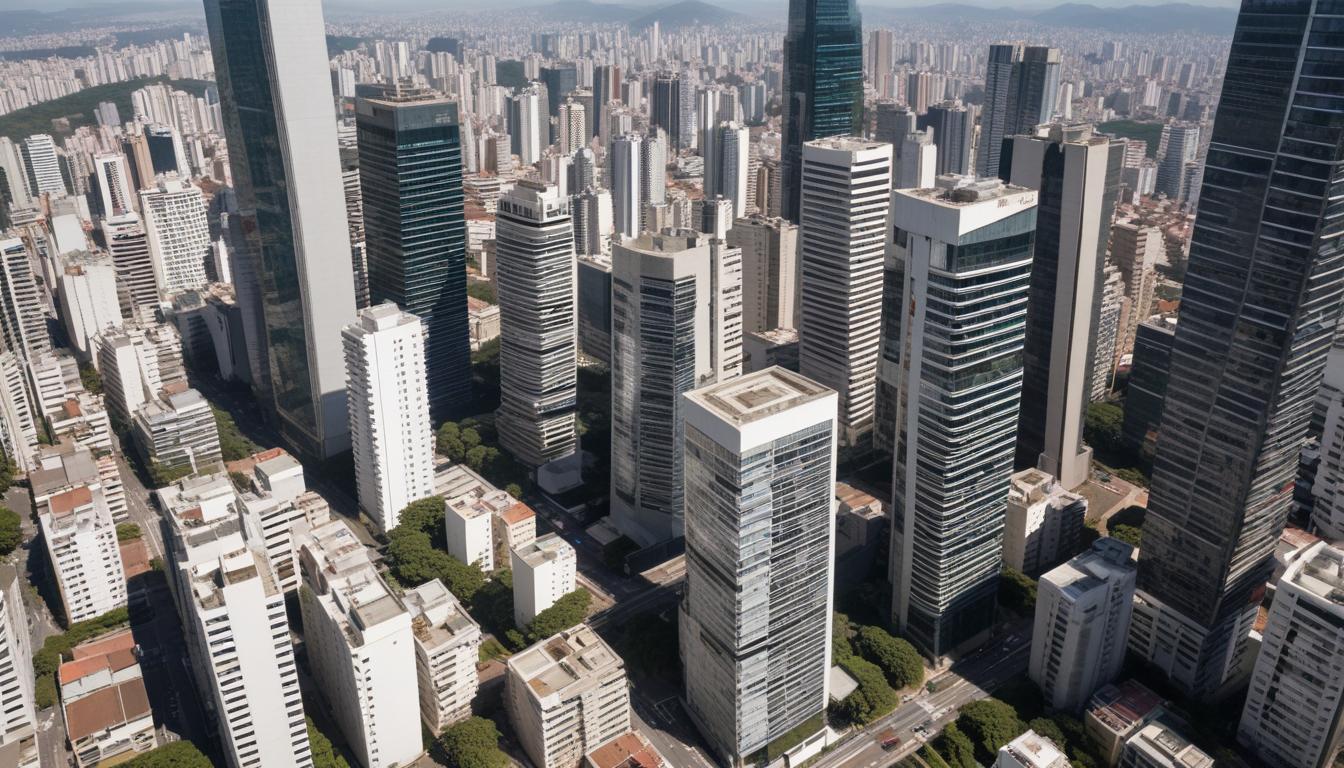
Walking through the Pinheiros neighbourhood or grabbing a café at Avenida Paulista's countless coffee shops, São Paulo residents are feeling it: everyday expenses keep climbing. But the forces driving these changes—and what consumers can actually do about them—remain murky for many. Understanding the real story behind your rising bills matters more than ever.
First, the basics. Monthly transport costs on the CPTM and Metrô have risen steadily, affecting commuters from Tatuapé to Zona Oeste. Food prices at markets like those on Rua 25 de Março fluctuate with currency movements and agricultural cycles, not just local demand. When the real weakens against the dollar, imported goods—from electronics to certain medications—become more expensive. This isn't random; it's structural.
Housing costs tell a different story. Rental prices in Vila Mariana and Jardins have detached somewhat from wage growth, creating pressure on middle-income families. Meanwhile, property values in emerging areas like Tatuapé and Vila Prudente have climbed as investors seek "value neighbourhoods." For those considering mortgages, understanding real interest rates—what you actually pay after inflation—remains crucial.
Credit card debt is another silent killer. With interest rates hovering around 20-30% annually in Brazil, carrying balances becomes expensive quickly. Many residents don't realise how much they're actually paying through accumulated interest versus principal on purchases made at shopping centres like Iguatemi or Eldorado.
Energy bills deserve scrutiny too. São Paulo's electricity costs depend on regional hydroelectric levels and seasonal demand. Understanding your consumption patterns—and the difference between peak and off-peak hours—can yield real savings for households across neighbourhoods from Brooklin to Itaim.
The final piece: financial literacy. Organisations like ANBIMA (Associação Brasileira das Entidades dos Mercados Financeiro e de Capitais) provide free resources, but many residents don't know they exist. Learning about basic investments, emergency funds, and inflation-beating strategies separates those who stay ahead from those perpetually caught behind.
The reality is that São Paulo's economy offers genuine opportunity, but only for those who understand the rules. Your salary might feel static while costs rise, but that gap isn't inevitable—it reflects decisions made about budgeting, borrowing, and saving. Start there.
This article was compiled by AI from the sources linked above and screened before publishing. See our editorial standards.