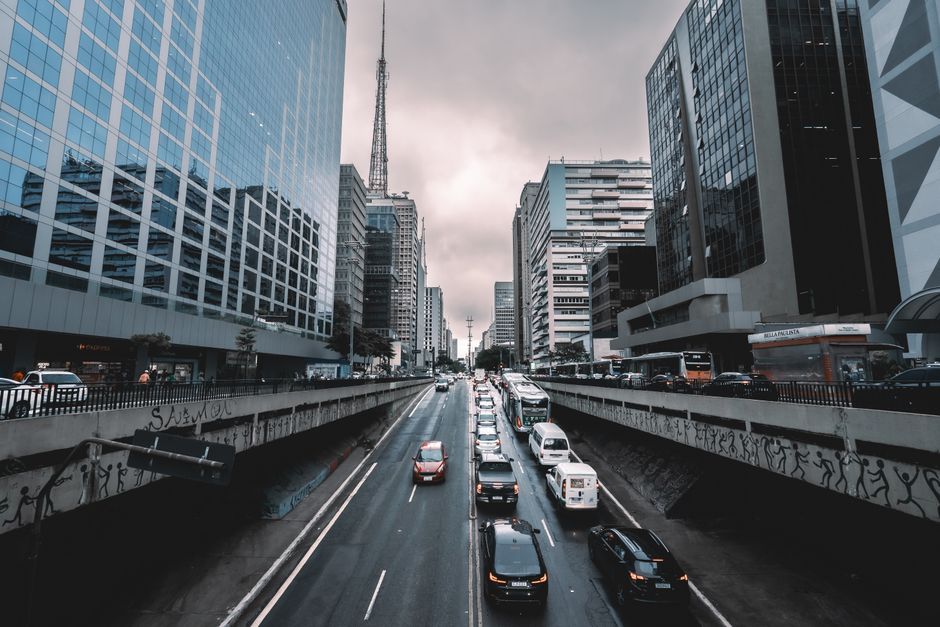
Inside the gleaming office towers along Avenida Paulista, São Paulo's trade executives are grappling with a year of unprecedented complexity. Currency swings, escalating geopolitical friction, and fragmenting supply chains have transformed what should be a year of robust global commerce into one defined by caution and contingency planning.
The numbers tell a sobering story. Brazilian exports face headwinds not seen since the pandemic-era disruptions, with shipping costs from Santos Port rising 28% since January as insurers reassess coverage for vessels navigating conflict zones. Companies operating from the commercial hubs in Bom Retiro and Brás—traditional strongholds for textile and machinery exporters—report margin compression across almost every sector.
The currency question looms largest. The real's volatility against the dollar has forced businesses to adopt hedging strategies that eat into profitability. A mid-sized manufacturer sourcing components from the northeastern industrial zones now faces a 15-20% additional cost on dollar-denominated contracts, pushing some smaller firms to abandon international markets entirely.
Regional instability is creating tangible obstacles. Geopolitical tensions affecting Middle Eastern shipping corridors and Pakistani-Afghan tensions disrupting Central Asian trade routes have forced logistics companies based in Vila Mariana to reroute shipments, adding weeks and thousands of reais to delivery times. Companies traditionally relying on shortest-distance routes now face decisions between cost and reliability that didn't exist eighteen months ago.
Trade associations at FIESP's offices report that their members are increasingly fragmenting operations. Rather than centralized export hubs, businesses are exploring regional production alternatives—some eyeing nearshoring to Mexico or Southeast Asia to avoid currency exposure and geopolitical risk. This marks a significant departure from the consolidation trends of recent years.
Yet São Paulo remains essential to Brazil's global commerce architecture. The city's port connections, financial infrastructure, and cosmopolitan business culture still attract multinationals and logistics operators. But executives at networking events in Jardins speak openly about managing expectations downward for 2026, with some projecting export volume declines of 8-12% compared to original forecasts.
The consensus among trade specialists: survival this year depends on agility. Companies investing in supply chain transparency, currency risk management, and geographic diversification are weathering the storm. Those clinging to traditional models face a reckoning. São Paulo's role as Latin America's trade epicenter isn't threatened, but the margin for inflexibility has never been thinner.
This article was compiled by AI from the sources linked above and screened before publishing. See our editorial standards.