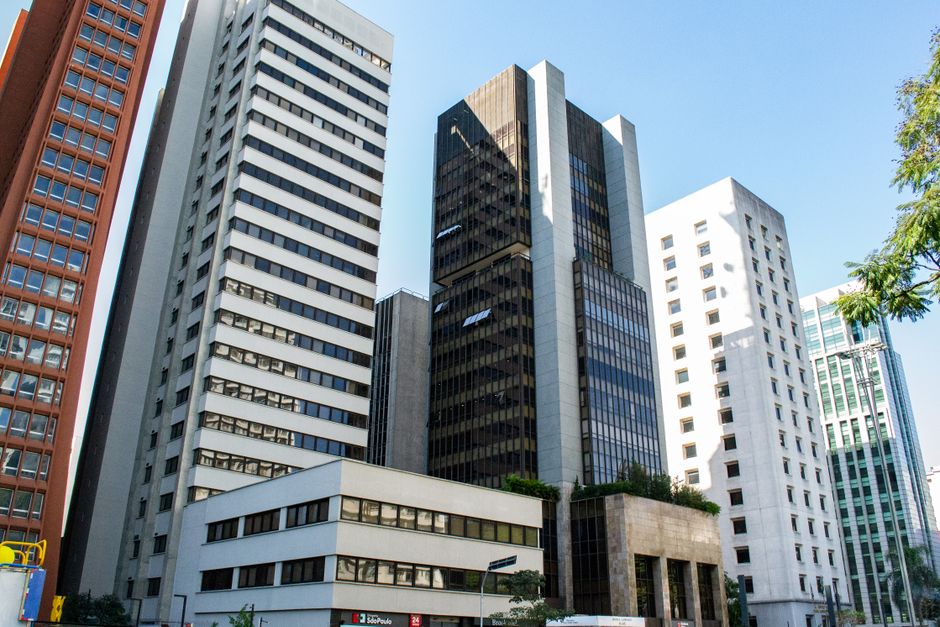
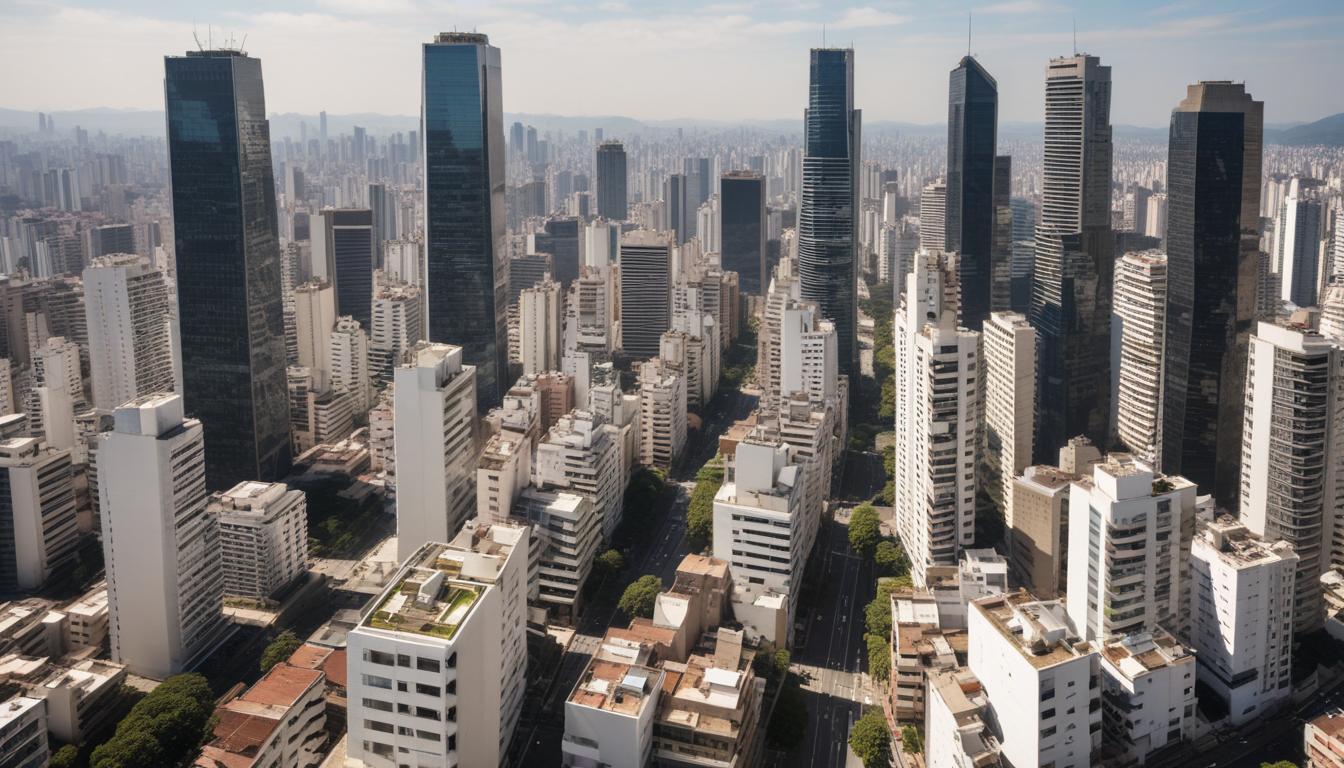
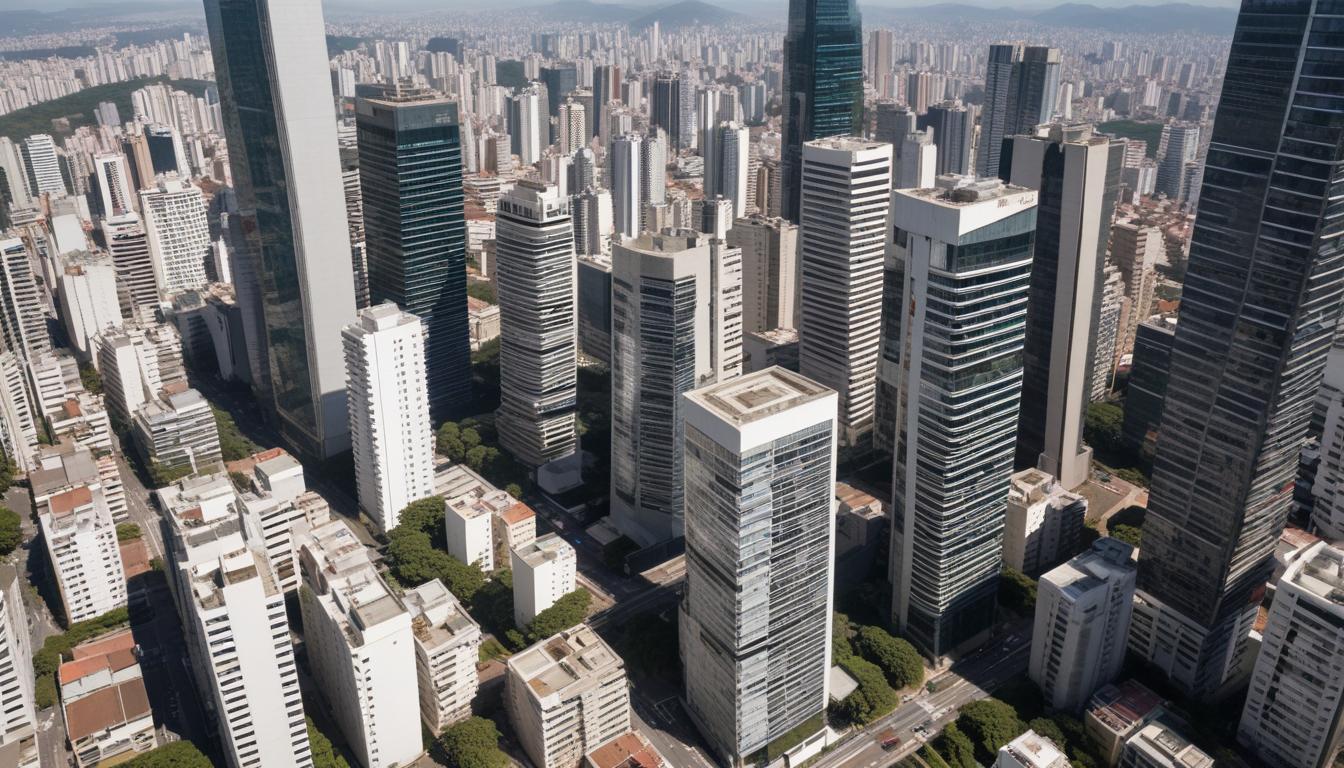
The gleaming office towers of Avenida Paulista and Pinheiros, long São Paulo's gravitational centre for white-collar employment, are facing an unexpected challenge. A structural shift toward remote and hybrid work arrangements is fundamentally reordering where professionals choose to live and work, forcing businesses to reimagine their real estate strategies and local talent recruitment models.
Data from the São Paulo Chamber of Commerce reveals that 42 percent of mid-sized tech and financial services firms now operate with hybrid models, up from just 8 percent in 2022. The implications ripple outward: office vacancy rates in traditional business districts have climbed to 16 percent, while neighborhoods like Vila Madalena and Tatuapé—less expensive, increasingly connected—have seen residential appeal surge among young professionals seeking better work-life balance.
The talent migration is unmistakable. Recruitment agencies operating out of Rua Augusta report growing demand for candidates in cities like Campinas and Sorocaba, where housing costs run 40-60 percent lower than central São Paulo. Companies including several mid-tier fintech operations have quietly relocated their headquarters or opened satellite offices in these hubs, following talent rather than leading it.
Local universities and technical schools are adjusting curricula accordingly. Universidade de São Paulo and Insper now emphasize digital-native skills and asynchronous collaboration competencies, recognizing that tomorrow's workforce will rarely sit in the same room. Meanwhile, co-working spaces that proliferated across Vila Mariana and Itaim Bibi face consolidation as demand normalizes.
The shift creates winners and losers unevenly distributed. Premium residential areas face softened demand, while transportation arteries like the CPTM lines serving the interior experience rising commuter traffic from professionals who've relocated but retained São Paulo employment. Commercial landlords on Avenida Paulista are negotiating longer lease terms and lower rents to retain tenants, a scenario unthinkable three years ago.
Recruitment specialists observe a parallel phenomenon: salary expectations are flattening. Candidates no longer command Pinheiros-level premiums simply for location. A developer in Sorocaba with strong credentials now competes directly with a São Paulo-based counterpart, pressuring wages citywide and forcing employers to emphasize non-salary benefits—flexible schedules, professional development, wellness programs.
For São Paulo's economy, the adjustment is neither wholly negative nor positive. The city risks losing its density-driven competitive edge while gaining workforce diversity and reduced urban congestion. Yet the verdict remains unwritten: whether remote work permanently decentralizes opportunity or proves a temporary pandemic artifact will define the next chapter of Brazil's economic engine.
This article was compiled by AI from the sources linked above and screened before publishing. See our editorial standards.