Global Instability Rattles São Paulo's Business Climate as Investors Reassess Brazil Risk
Rising geopolitical tensions and capital flight worldwide are reshaping how multinational firms and startups operate from Paulista Avenue to Vila Madalena.
Rising geopolitical tensions and capital flight worldwide are reshaping how multinational firms and startups operate from Paulista Avenue to Vila Madalena.
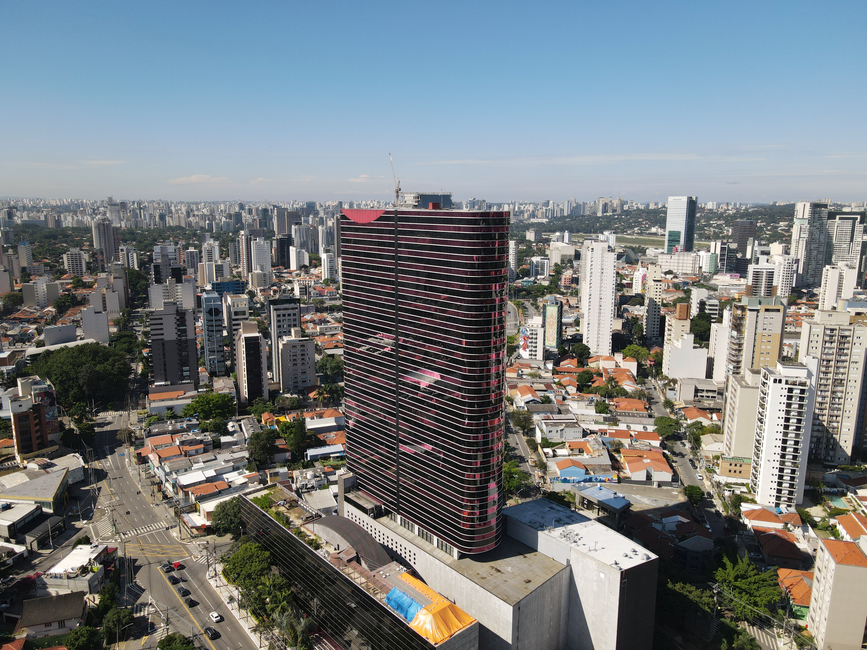
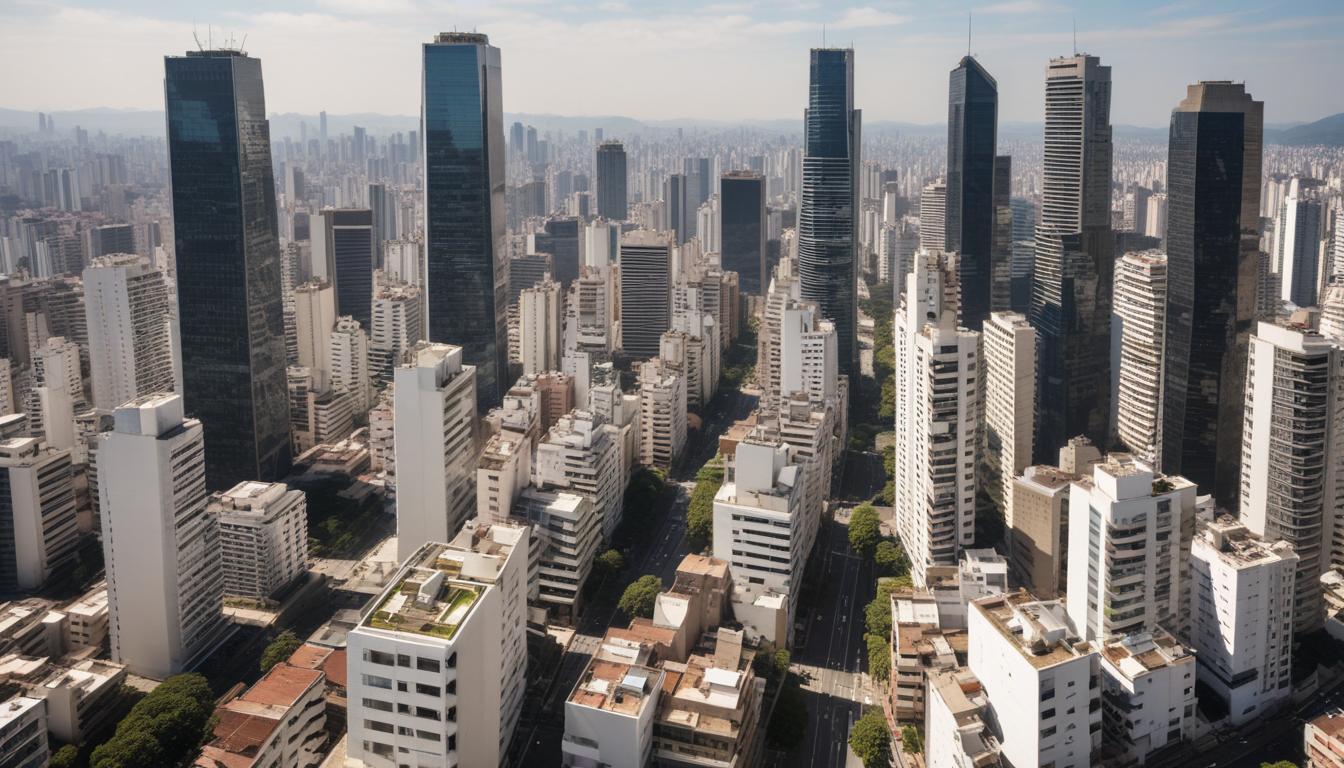
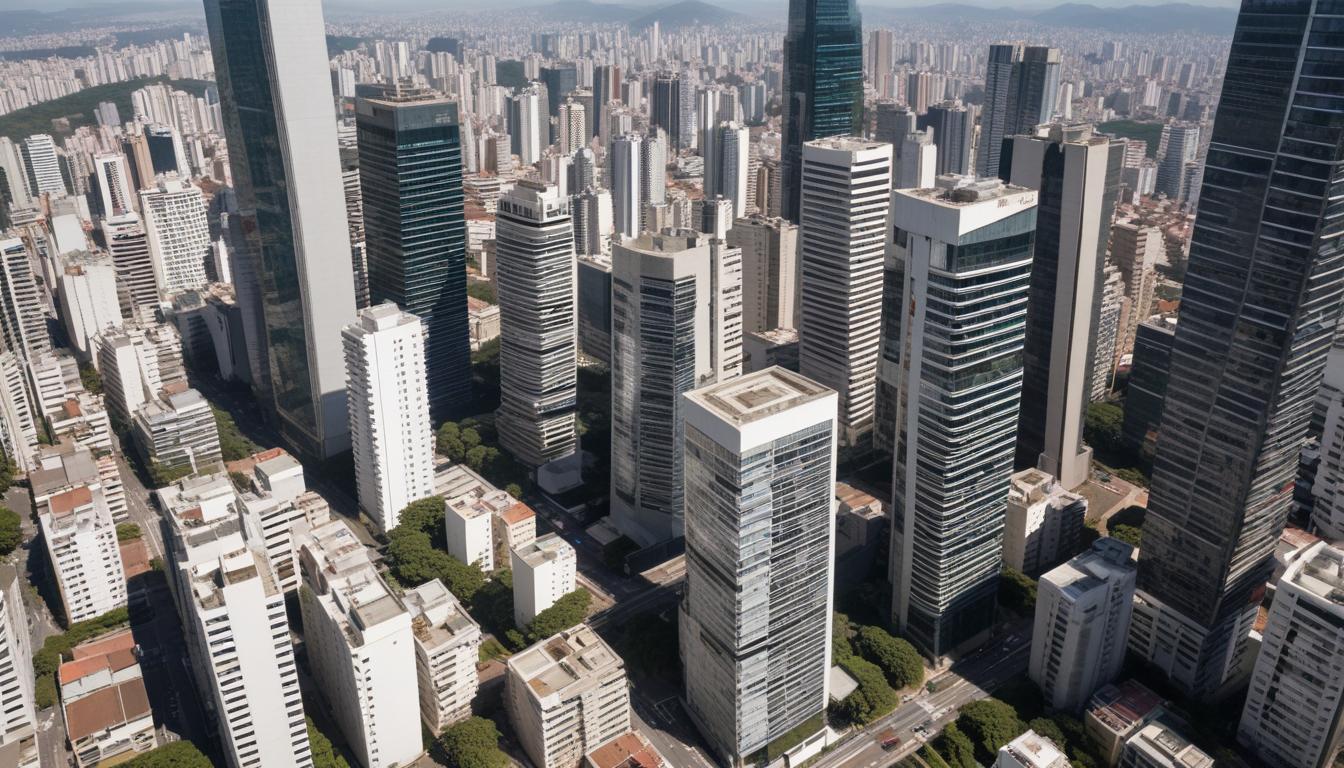
The past month has sent shockwaves through São Paulo's business district. As tensions simmer between superpowers and emerging markets face instability, the ripple effects are already visible in Avenida Paulista's gleaming office towers and the startup hubs scattered across Vila Madalena and Pinheiros.
International investment into Brazil has slowed noticeably. Several venture capital firms with offices in the Ibirapuera corporate zone have begun consolidating operations, redirecting capital toward safer geopolitical bets. Meanwhile, the real has weakened against the dollar—currently trading around 5.15—putting pressure on companies importing machinery and raw materials. For São Paulo's manufacturing sector, particularly firms in the ABC region, every percentage point of currency depreciation cuts directly into margins.
The human cost compounds the financial strain. Executives commuting from neighborhoods like Morumbi and Brooklin report increased insurance premiums and security concerns as global uncertainty feeds domestic anxiety. Real estate agents in prestigious zones have noticed clients—both Brazilian and foreign—becoming more cautious about long-term commitments. Rental inquiries along Rua Oscar Freire, traditionally a barometer of elite confidence, have cooled by roughly 12% compared to early 2025.
But São Paulo's resilience lies in its diversity. While multinational operations based here face headwinds from supply chain disruption and capital repatriation, domestic-focused businesses are finding unexpected opportunities. Consumer goods companies, logistics providers, and food-tech startups clustered around the startup ecosystem in Vila Madalena are pivoting toward regional markets insulated from global volatility. Educational institutions and healthcare firms serving São Paulo's middle class report steady demand, even as luxury sectors falter.
The Central Bank's recent monetary policy decisions—holding rates steady amid inflation concerns—reflect this tension. Local entrepreneurs face a delicate balance: borrowing costs remain elevated, yet international financing has become less accessible and more expensive. Banks headquartered in São Paulo's financial district are tightening credit standards, making it harder for small and medium enterprises to fund expansion.
What's becoming clear is that São Paulo's economy, for all its global integration, cannot insulate itself from international shocks. Companies that built their models on cross-border capital flows and stable geopolitical conditions are rethinking strategy. Those adapting quickly—focusing on domestic consumption, reducing foreign dependency, and strengthening regional supply chains—may find this period of uncertainty actually solidifies their competitive advantage in Brazil's largest market.
This article was compiled by AI from the sources linked above and screened before publishing. See our editorial standards.
How does this story make you feel?
Spread the word
About this article
Published by The Daily São Paulo
Daily brief
Free, in your inbox before 7am. Weekdays.
More in Business