São Paulo's Office Market Shows Divergent Signals: What Economic Indicators Really Tell Us About Investment Flows
Rising vacancy rates clash with premium-district demand as foreign capital reassesses Brazil's commercial real estate landscape.
Rising vacancy rates clash with premium-district demand as foreign capital reassesses Brazil's commercial real estate landscape.
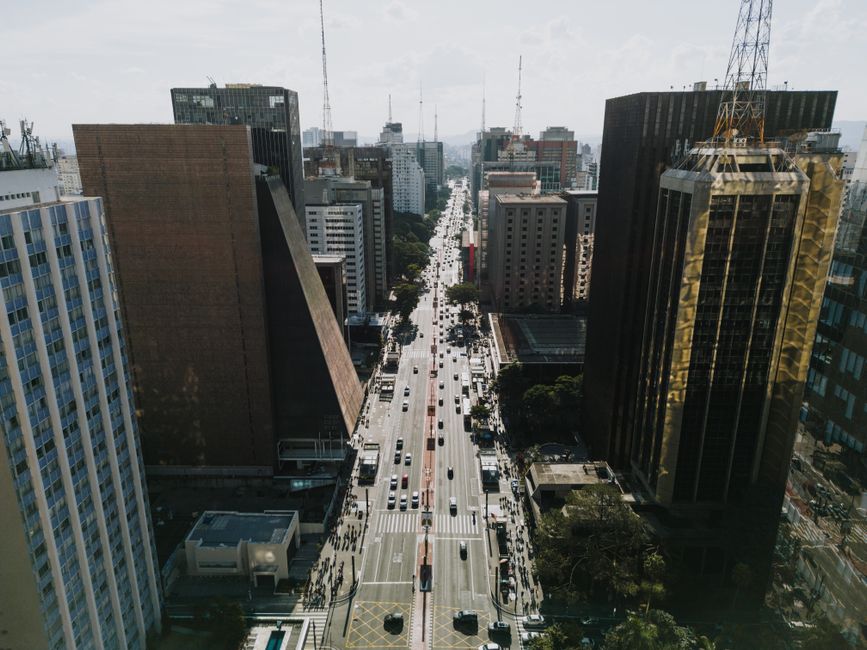
São Paulo's commercial property sector is sending mixed signals that reveal deeper truths about how global investors are reading Brazil's economic trajectory. Understanding these currents requires looking beyond headline figures to see where capital is actually flowing—and why.
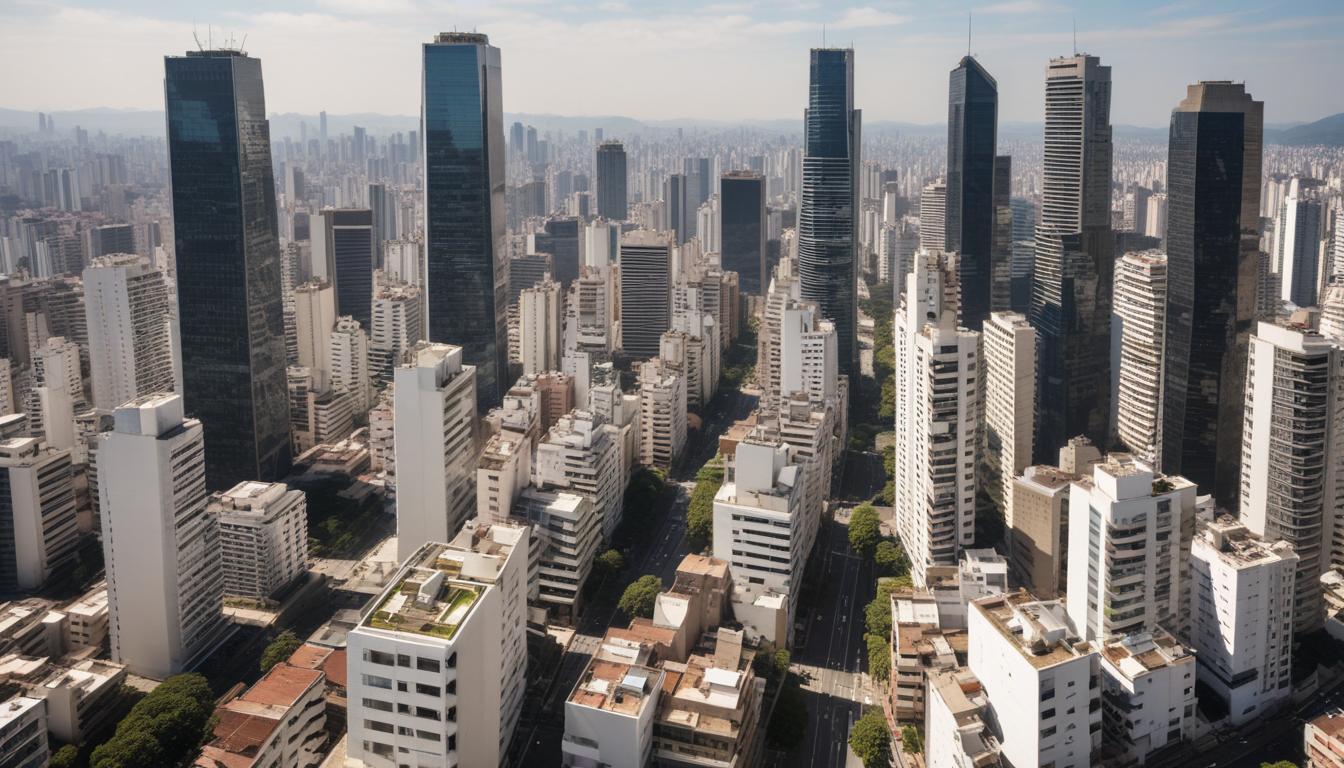
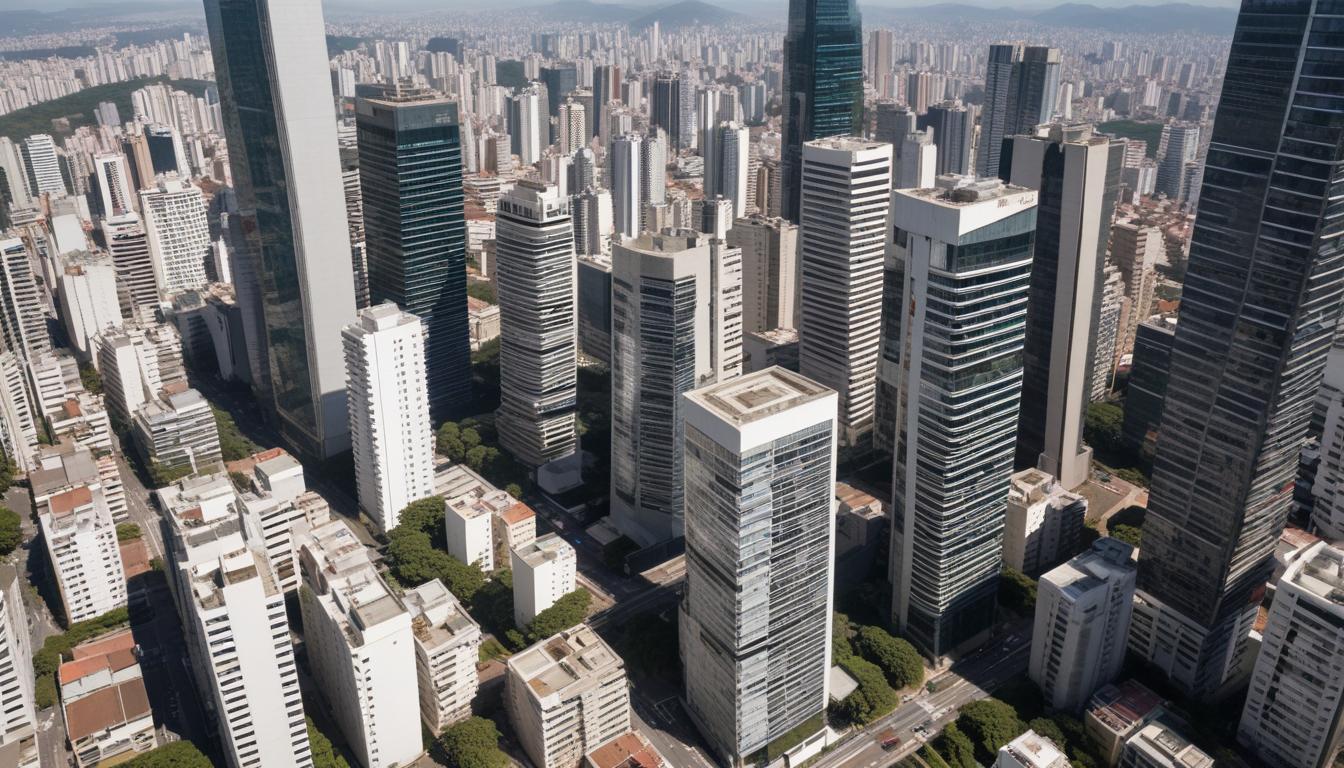
The headline story appears troubling: citywide office vacancy rates have climbed to approximately 16.5 percent, according to recent market surveys, with total available space exceeding 2.8 million square meters across the metropolitan region. This represents a meaningful shift from pre-pandemic levels, suggesting either oversupply or shifting tenant preferences. However, this aggregate figure masks a crucial bifurcation in the market.
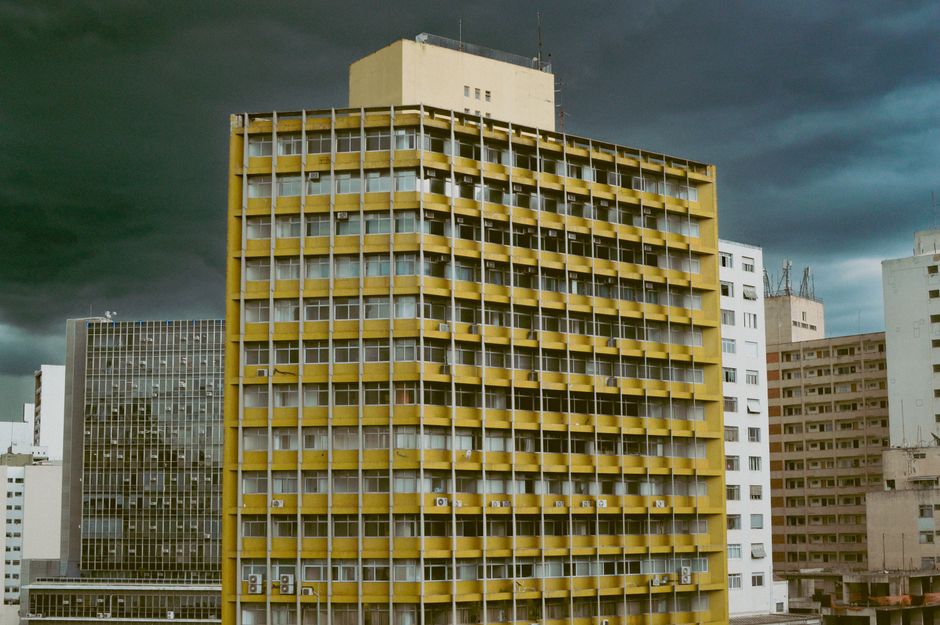
In consolidated business districts like Faria Lima and Avenida Paulista, where institutional-grade properties command rents between R$110 and R$180 per square meter monthly, vacancy remains below 8 percent. The same applies to emerging clusters in Vila Mariana and the Zona Sul expansion zones. Meanwhile, secondary locations in Berrini and older mid-range developments are experiencing vacancy closer to 22 percent—a warning signal for that segment.
This geographic divergence reveals how investment capital flows according to tenant quality and building specifications. Multinational firms, tech companies, and premium service providers continue prioritizing modern, sustainably-certified buildings with robust infrastructure. This explains why LEED-certified properties in the Pinheiros district maintain occupancy advantages despite premium valuations.
Foreign direct investment patterns underscore these dynamics. Year-to-date through June 2026, international investors have deployed approximately $1.2 billion in São Paulo commercial real estate—roughly 35 percent above the same period in 2024. However, nearly 70 percent targets Grade A properties in prime locations, with the remainder split between repositioning opportunities and mixed-use developments. Money is not fleeing Brazil; it's simply becoming more selective.
The yield story matters equally. Prime office space currently trades at 6.5 to 7.2 percent gross yields, making São Paulo competitive against other Latin American capitals but trailing U.S. markets. For debt-conscious investors, this remains attractive, particularly when paired with long-term lease agreements with creditworthy tenants.
Macro factors are reshaping expectations. Persistent inflation, recent central bank decisions, and currency volatility have encouraged investors to shift from development speculation toward stabilized assets generating reliable cash flows. Simultaneously, corporate real estate strategies increasingly favor flexibility—explaining growing demand for modern, modular workspace versus traditional long-term office leases.
The São Paulo market isn't declining; it's recalibrating. Capital concentration in premium segments signals rational investor behavior: chasing quality, creditworthiness, and resilience. Secondary assets face genuine headwinds, but this creative destruction ultimately strengthens market fundamentals by eliminating marginal properties while rewarding superior buildings. For savvy investors reading these signals correctly, opportunity persists.
This article was compiled by AI from the sources linked above and screened before publishing. See our editorial standards.
How does this story make you feel?
Spread the word
About this article
Published by The Daily São Paulo
Daily brief
Free, in your inbox before 7am. Weekdays.
More in Business