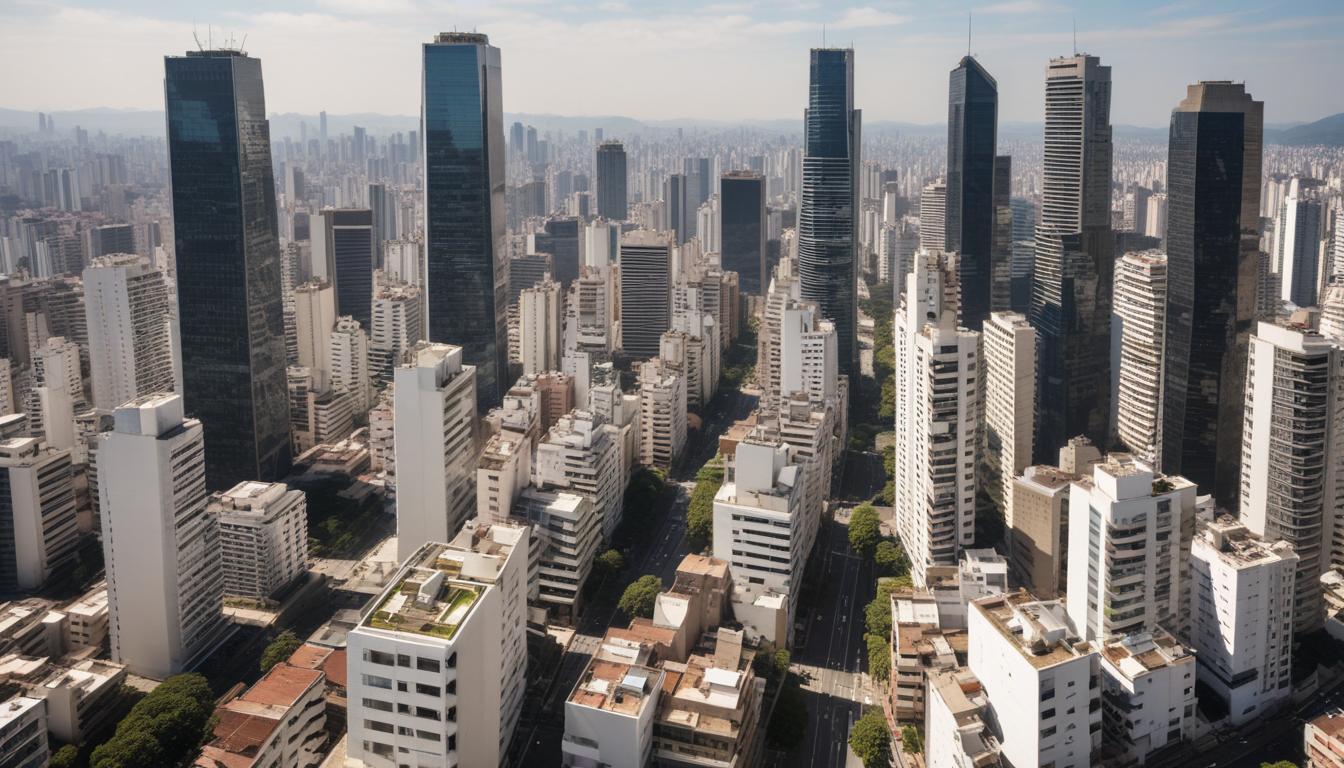
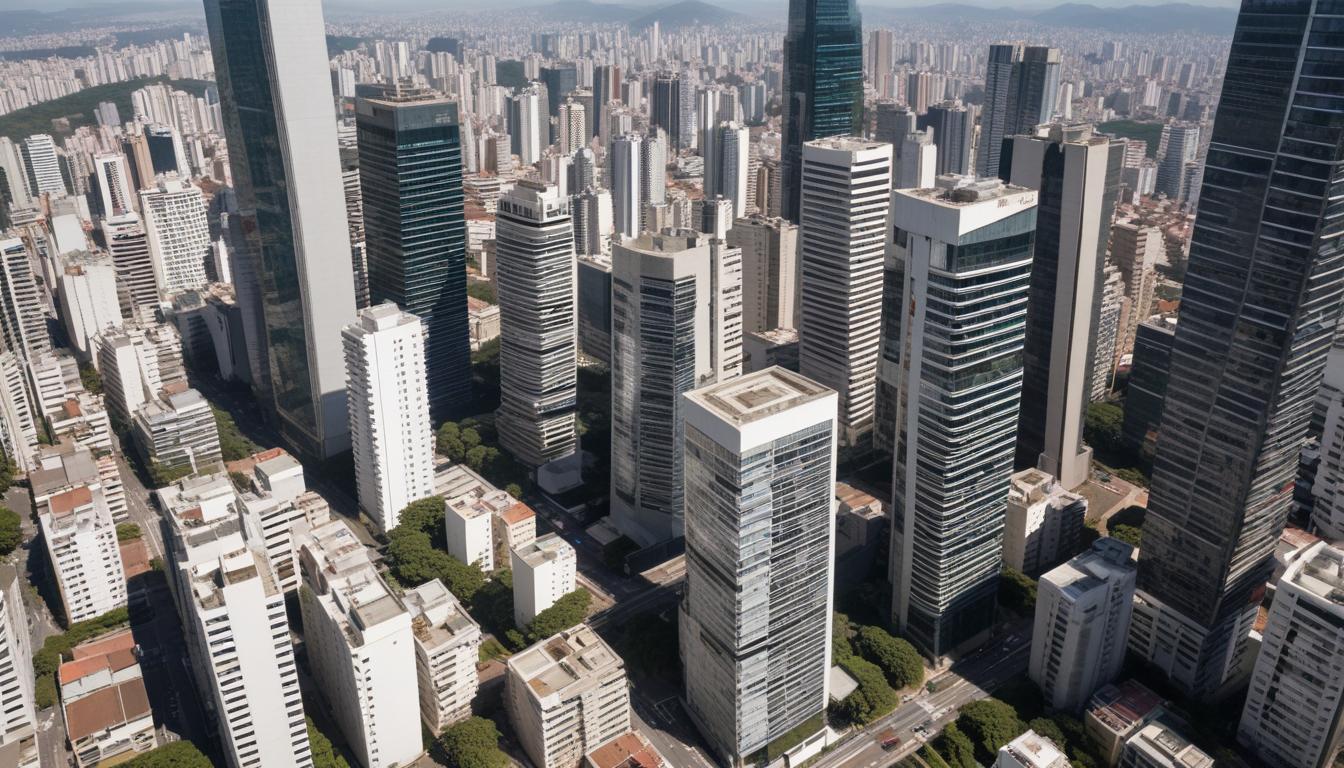
On a quiet corner of Rua Deputado Lacerda Franco in Pinheiros, a three-person operation is quietly revolutionizing how São Paulo's manufacturers reach global markets. What began eighteen months ago as a side project in a shared coworking space near Metrô Fradique Coutinho has evolved into a platform processing over R$8 million in quarterly trade volume, connecting local companies with buyers across North America, Europe, and Asia.
The venture taps into a persistent challenge facing Brazil's mid-market producers: traditional export channels remain slow, expensive, and opaque. Customs brokers, freight forwarders, and trading companies typically extract margins ranging from 8 to 15 percent of transaction value. The new platform uses algorithmic matching and blockchain-verified documentation to compress that to 2.5 percent, while reducing shipping timelines from 45 days to an average of 18.
São Paulo's manufacturing heartland—from the metalworking clusters in the ABC region to textile producers in Bom Retiro—has begun taking notice. In the past quarter alone, forty-three new manufacturers signed on, primarily in sectors including machinery components, ceramics, and specialty chemicals. One family-owned precision-parts maker in Santo André reported increasing their export revenue by 34 percent within six months of joining the network.
The timing aligns with broader shifts in global trade. Rising tensions between major trading blocs have prompted multinational supply chains to diversify beyond traditional East Asian production hubs. Brazil's geographic position, currency dynamics, and manufacturing expertise have suddenly become more strategically valuable. Yet most São Paulo producers lack direct relationships with international buyers or the infrastructure to navigate complex regulatory requirements across multiple jurisdictions.
The startup has also begun hosting monthly meetups at Garage Madalena, a event space near Vila Madalena's restaurant corridor, where exporters can network with logistics providers, customs specialists, and international trade lawyers. These gatherings have become popular among the city's entrepreneurial community, regularly drawing 60 to 80 attendees interested in understanding new export pathways.
What distinguishes this effort is its laser focus on São Paulo's specific competitive advantages. Rather than attempting to compete globally as a generalist platform, the team has concentrated expertise on sectors where the city maintains genuine differentiation: high-value manufacturing, technology-integrated production, and sectors requiring proximity to Brazil's financial and decision-making infrastructure.
As the platform scales toward profitability, attention will focus on whether the model can be replicated in other Brazilian business hubs, or whether São Paulo's particular density of skilled manufacturers and service providers will remain its decisive advantage in this emerging trade infrastructure revolution.
This article was compiled by AI from the sources linked above and screened before publishing. See our editorial standards.