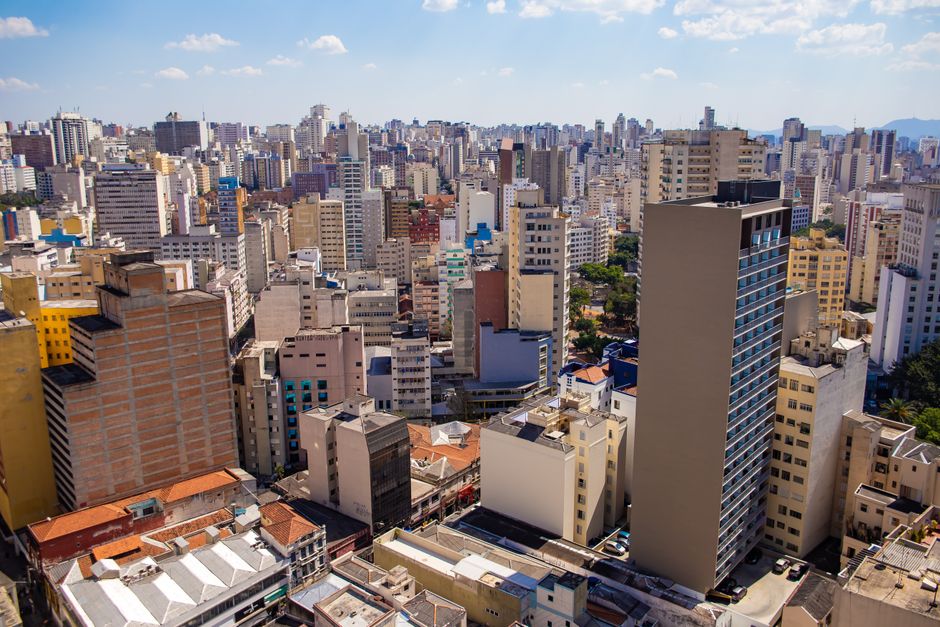
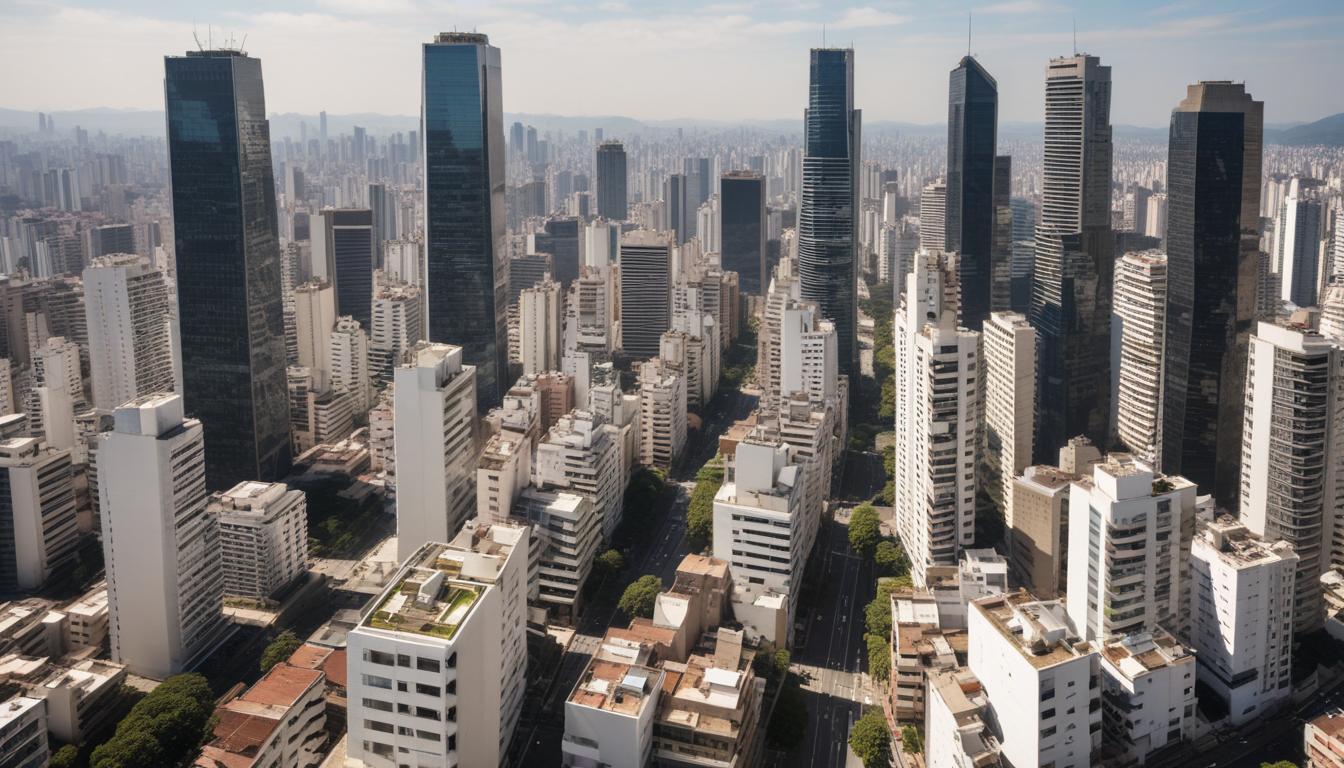
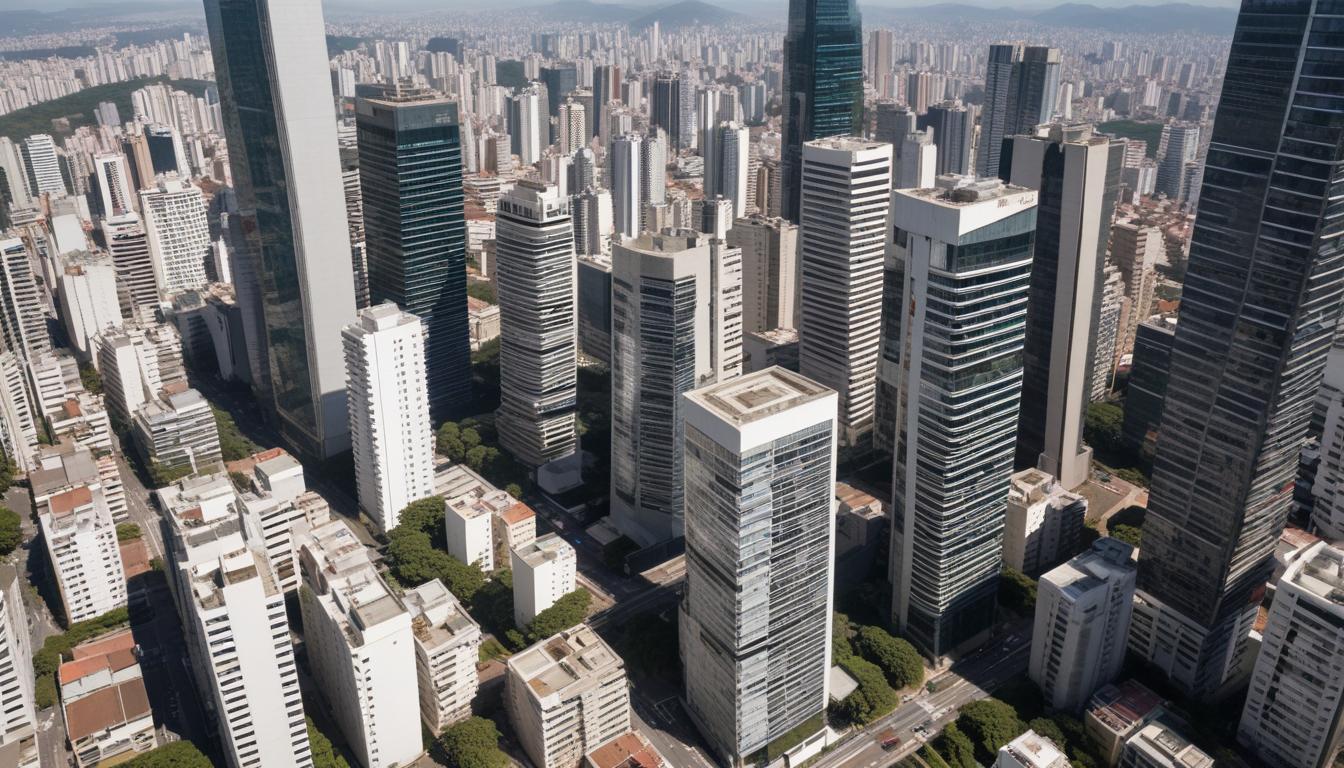
Walk through the financial district around Avenida Paulista and Rua Augusta on any weekday, and you'll see São Paulo's economy humming—but beneath the surface, global forces are fundamentally reshaping how companies here hire, train, and retain talent.
The past eighteen months have been turbulent for international markets. Middle Eastern tensions, African health crises, and unpredictable trade policies have created what human resources professionals call "the new uncertainty premium." Local recruitment firms report that multinational corporations operating from São Paulo's major business hubs—particularly in Vila Mariana and the Consolação district—are shifting their hiring models in response.
According to recent labor market analysis, São Paulo's unemployment rate stands at 7.2%, down from 8.1% two years ago. However, the composition of available jobs has changed dramatically. Tech roles requiring remote work capability have grown 23% year-over-year, while traditional manufacturing positions have stagnated. This reflects a broader trend: companies are building geographically distributed teams as insurance against regional instability.
"We're seeing investment in different skill sets," explains the consensus among staffing agencies in the Berrini corridor. Demand has surged for professionals with experience in supply chain resilience, digital infrastructure, and crisis management—the kind of expertise that helps companies navigate unpredictable global conditions. Entry-level positions in these areas now command 15-18% higher salaries than comparable roles three years ago.
The impact extends beyond individual hiring decisions. Major employers around Imigrantes Avenue and the Pinheiros business district are investing heavily in upskilling programs. Companies are allocating larger portions of payroll budgets toward internal training—a shift from the 2010s pattern of external recruitment. This represents a vote of confidence in São Paulo's talent pool, even as global conditions create hiring caution.
For mid-market firms, the picture is more complex. Many cannot absorb the training costs of larger corporations, yet face pressure to compete for skilled workers. This has created opportunity for São Paulo's growing network of professional development providers, from Aldeia to Pinheiros, though affordability remains a challenge.
The hospitality and tourism sectors, historically significant employment drivers near Consolação and central São Paulo, remain volatile. International travel uncertainty continues to suppress hiring in these areas, though domestic business travel shows modest recovery.
Looking ahead, São Paulo's business community appears to be making peace with permanent complexity. Rather than waiting for global stabilization, companies are building flexibility into their organizational structures—hiring leaner core teams, expanding contractor networks, and prioritizing employees with adaptive capabilities.
For job seekers, the message is clear: adaptability, digital literacy, and crisis-aware thinking have become as valuable as technical credentials in Brazil's most competitive labor market.
This article was compiled by AI from the sources linked above and screened before publishing. See our editorial standards.