São Paulo's Startup Boom Hits Reality Check: What Founders Need to Know in 2026
As capital dries up and competition intensifies, the city's innovation districts are shifting focus toward profitability and operational discipline.
As capital dries up and competition intensifies, the city's innovation districts are shifting focus toward profitability and operational discipline.
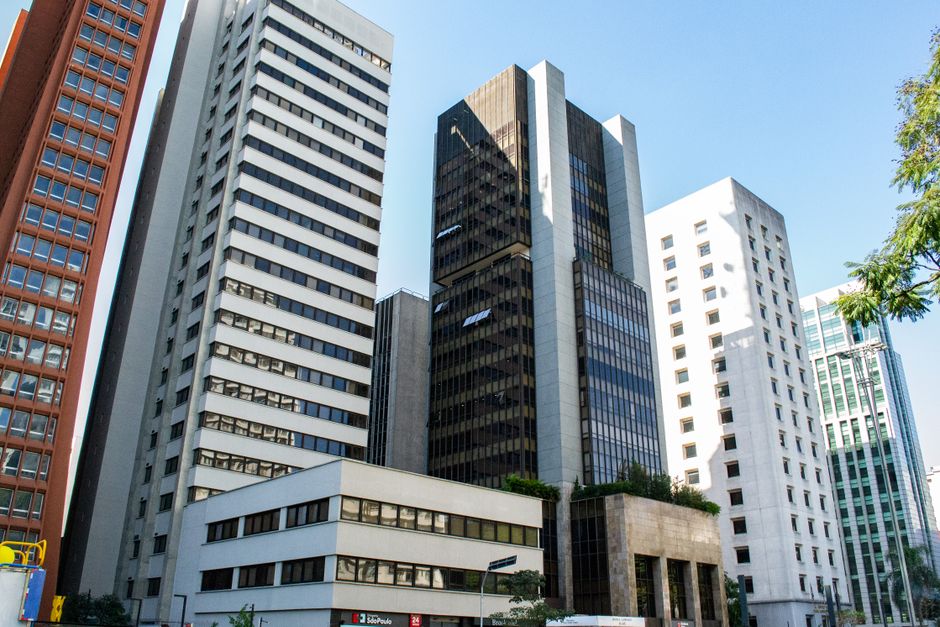
The fever around São Paulo's startup ecosystem shows signs of cooling. After years of explosive growth in neighbourhoods like Vila Mariana and Pinheiros, entrepreneurs and investors are recalibrating expectations as market conditions tighten across Latin America's largest tech hub.
The numbers tell the story. Venture capital deployment in the São Paulo metropolitan area has contracted by roughly 23% in the first half of 2026 compared to the same period last year, according to preliminary data tracked by local innovation networks. While the city remains Brazil's undisputed startup capital—hosting more than 14,000 active technology companies—the era of abundant, easy-access funding appears to have passed.
"We're seeing a fundamental shift in what investors want to see," explains the broader sentiment within co-working spaces dotting Avenida Paulista and the emerging innovation zones near Estação da Luz. Gone are the days when a compelling pitch deck and aggressive growth projections could secure Series A funding. Today's founders face scrutiny on unit economics, customer acquisition costs, and clear pathways to profitability.
The impact is most visible in traditional startup neighbourhoods. Rents in Vila Mariana's office buildings have plateaued after three years of double-digit increases, with flexible workspace demand shifting toward more affordable corridors in Tatuapé and Brás. Several high-profile accelerators have consolidated operations, and some early-stage funding programmes have reduced their batch sizes by 20-30%.
Yet the underlying infrastructure remains robust. São Paulo's position as a gateway to Latin American markets, combined with a talent pool increasingly trained in both technology and business fundamentals, continues to attract serious entrepreneurs. The city's universities and technical schools supply a steady stream of engineering talent, while established companies like Google, Microsoft, and IBM maintain substantial R&D operations here, creating both competition and opportunity.
What's changed is the playbook. Founders entering the market now should prioritize sustainable business models over vanity metrics. Those targeting enterprise clients in financial services, logistics, and agribusiness—sectors where São Paulo maintains particular strength—report better capital access than consumer-focused startups. Corporate venture arms linked to major Brazilian conglomerates are emerging as reliable alternative funding sources where traditional VC has tightened.
The message is clear: 2026 separates the well-executed from the over-funded. For São Paulo's innovation community, that's not necessarily bad news—it's the market reasserting discipline on an ecosystem that needed it.
This article was compiled by AI from the sources linked above and screened before publishing. See our editorial standards.
How does this story make you feel?
Spread the word
About this article
Published by The Daily São Paulo
Daily brief
Free, in your inbox before 7am. Weekdays.
More in Business