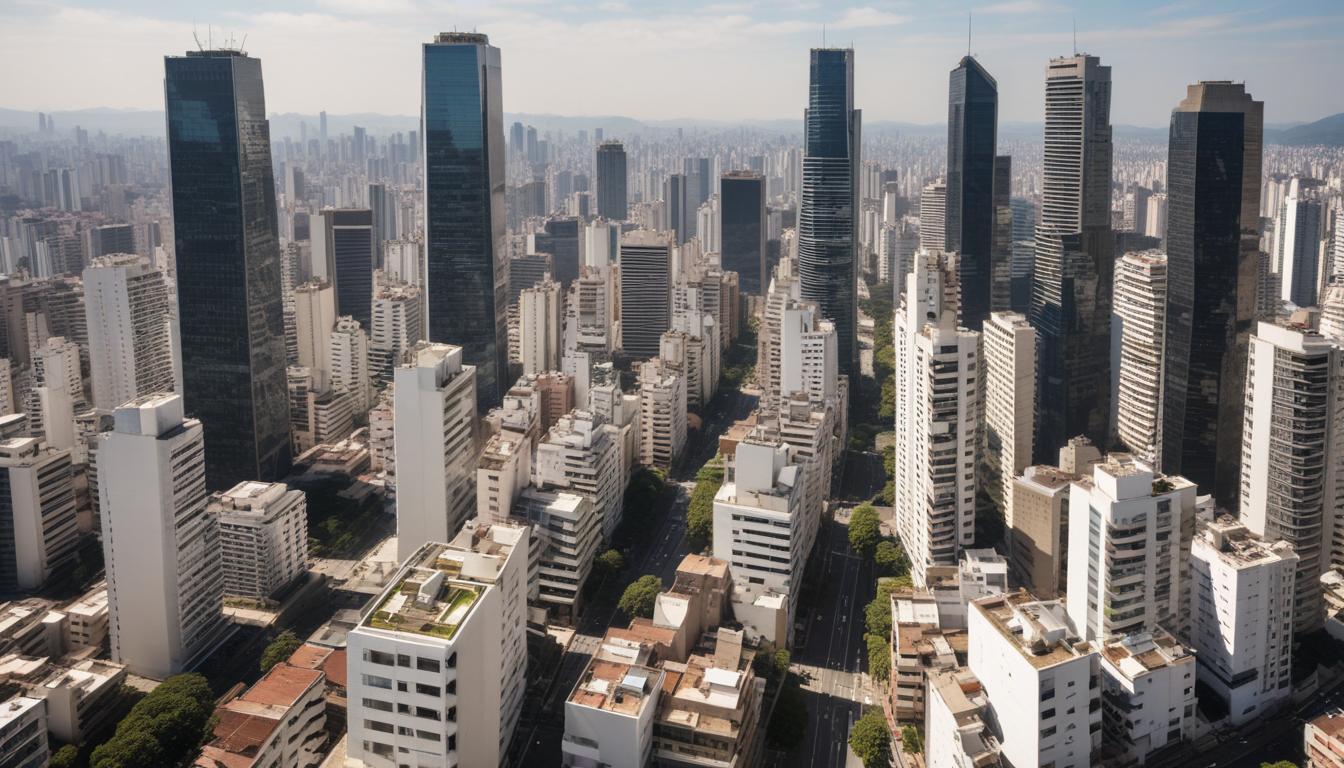
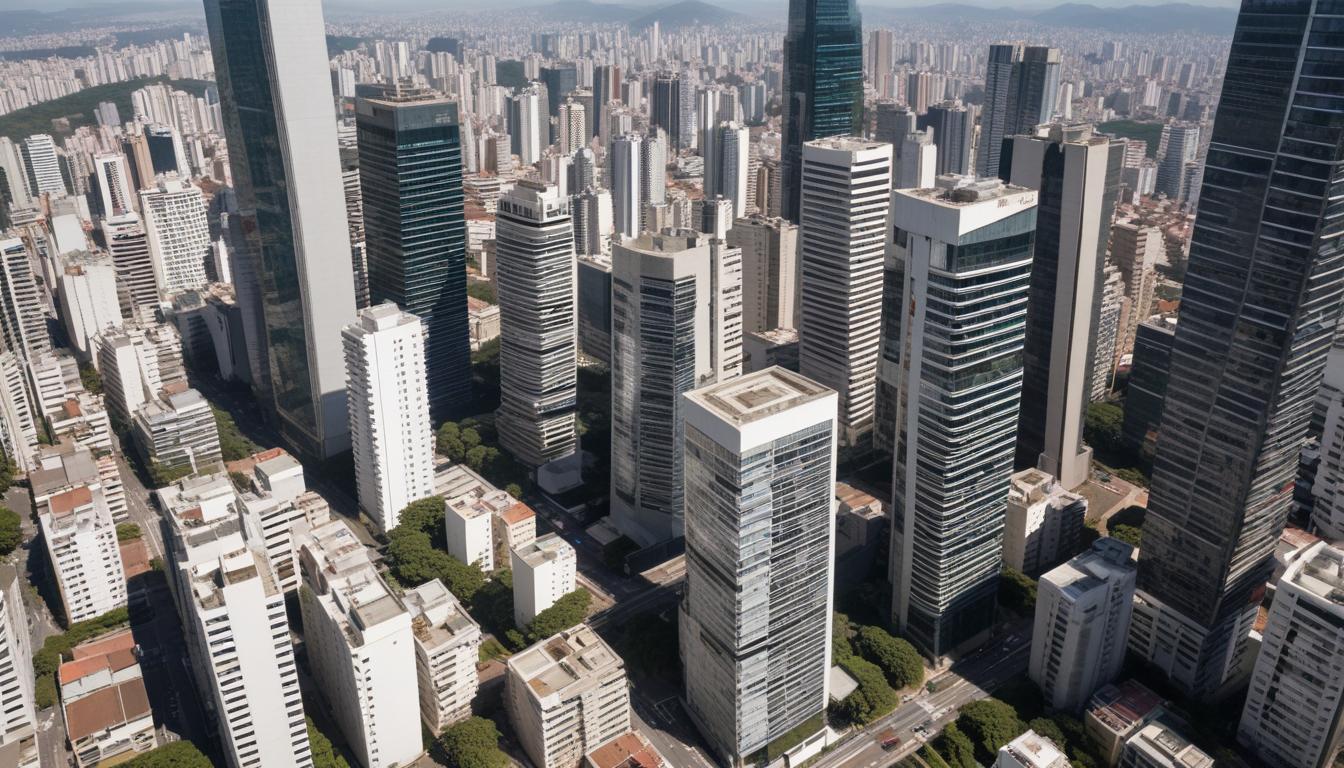
São Paulo's innovation districts are experiencing a measurable reordering of capital flows, according to recent investment tracking data that offers clarity on where venture money is actually concentrating beyond headline announcements.
The numbers tell a precise story. Across the Vila Madalena and Pinheiros corridor—home to approximately 340 active startups—median seed round valuations have climbed to R$8 million, up 23 percent from 2024. More significantly, the average time between Series A funding rounds has compressed to 18 months, suggesting accelerated maturation cycles rather than speculative bubbles. This matters because it indicates institutional confidence, not mere hype.
The geographic concentration matters too. Neighborhoods like Vila Mariana and Itaim Bibi, traditionally corporate headquarters territory, are now competing for tech talent and early-stage capital. Commercial real estate data from commercial brokers shows co-working spaces in the Av. Paulista region renting at R$280-320 per square meter monthly—40 percent higher than Vila Madalena rates but still 30 percent below Manhattan equivalents, creating arbitrage opportunities that attract both local and international operators.
Sector concentration has shifted markedly. Fintech and software-as-a-service companies accounted for 34 percent of tracked investments through Q2 2026, but climate-tech and agtech ventures jumped to 18 percent, reflecting broader institutional portfolio rebalancing. This matters for understanding where future capital will flow: ESG-focused funds are increasingly allocating to São Paulo specifically because of Brazil's agricultural technology opportunities and energy sector transitions.
What complicates the story is infrastructure investment lag. While venture capital deployment accelerated—approximately R$2.8 billion deployed in the first half of 2026—government and corporate spending on physical infrastructure in innovation districts remained relatively flat. This creates a secondary market opportunity: real estate owners with strategic properties near Av. Faria Lima increasingly attract premium tenants willing to pay for proximity to capital concentration hubs.
The most revealing indicator may be corporate venture arms establishing local offices. Seven multinational tech companies opened dedicated investment operations in São Paulo since January 2026, each with stated capital allocation between $10-50 million annually for local deal sourcing. This signals maturation: capital is no longer episodic but structural.
For founders and investors, the practical implication is clear: São Paulo's startup economy is transitioning from scrappy to systematic. The economic indicators—capital concentration, sector specialization, reduced funding timelines—all point toward a maturing ecosystem where economic fundamentals matter increasingly more than narrative momentum.
This article was compiled by AI from the sources linked above and screened before publishing. See our editorial standards.