Global Uncertainty Reshapes São Paulo's Office Market as Corporations Recalibrate
International tensions and shifting trade dynamics are forcing multinational tenants to rethink their real estate strategies in Brazil's largest business hub.
International tensions and shifting trade dynamics are forcing multinational tenants to rethink their real estate strategies in Brazil's largest business hub.
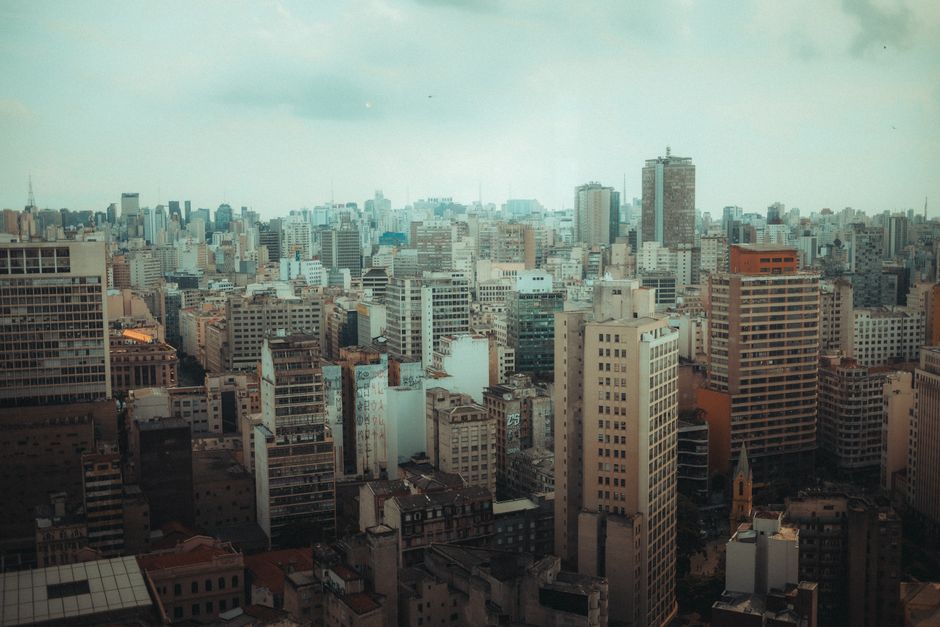
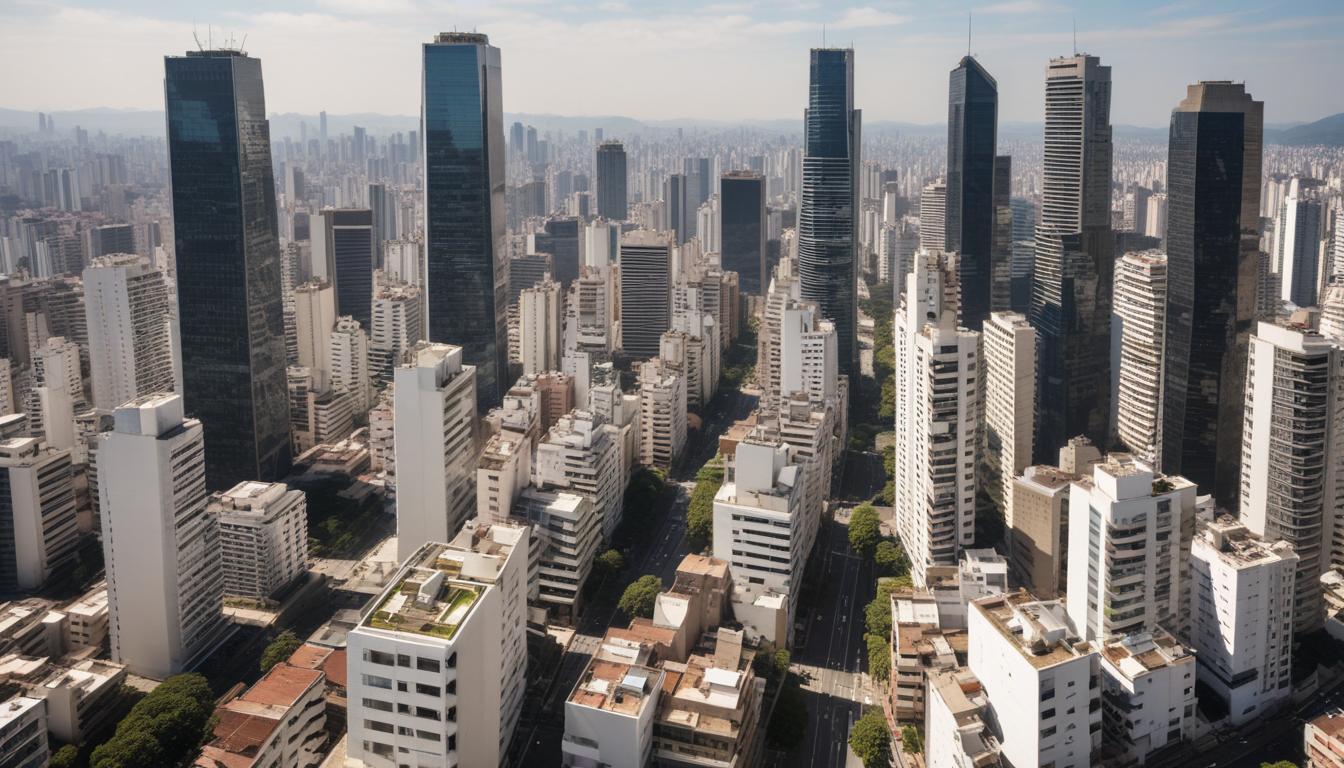
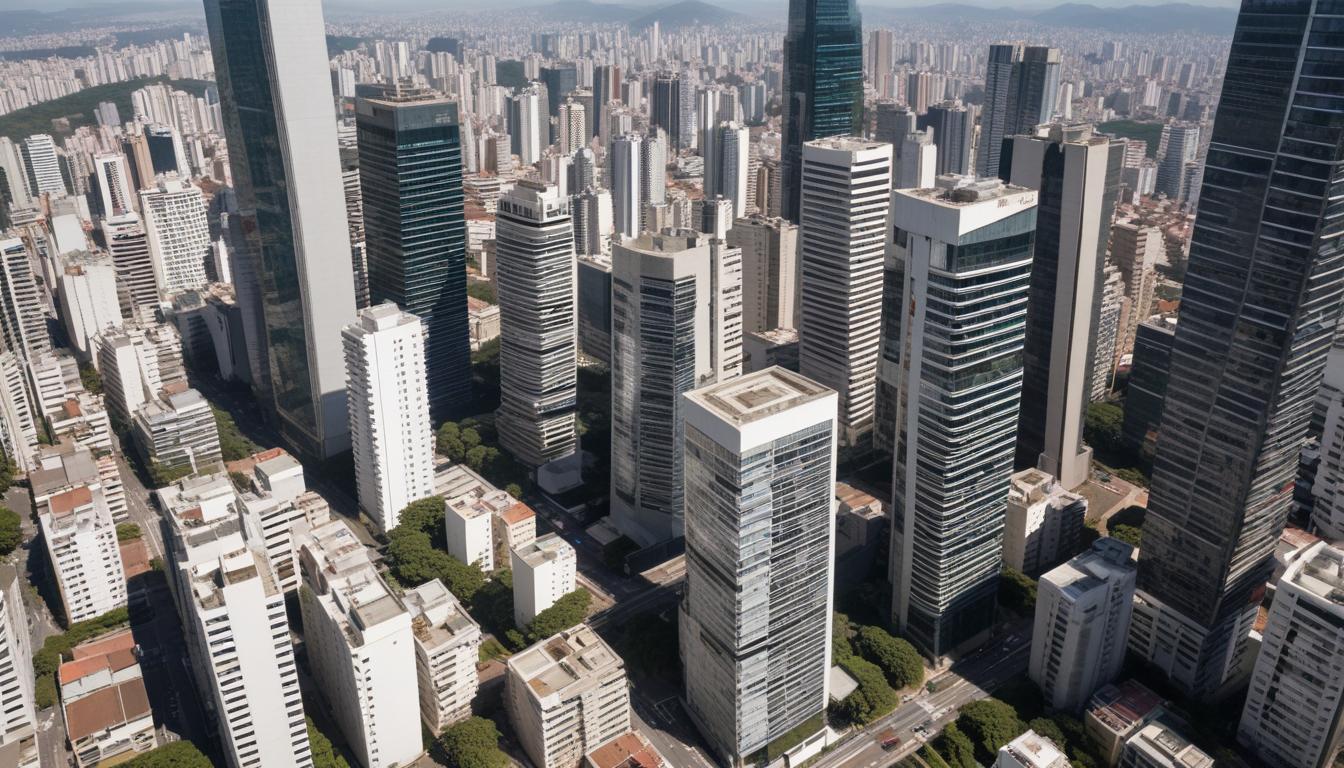
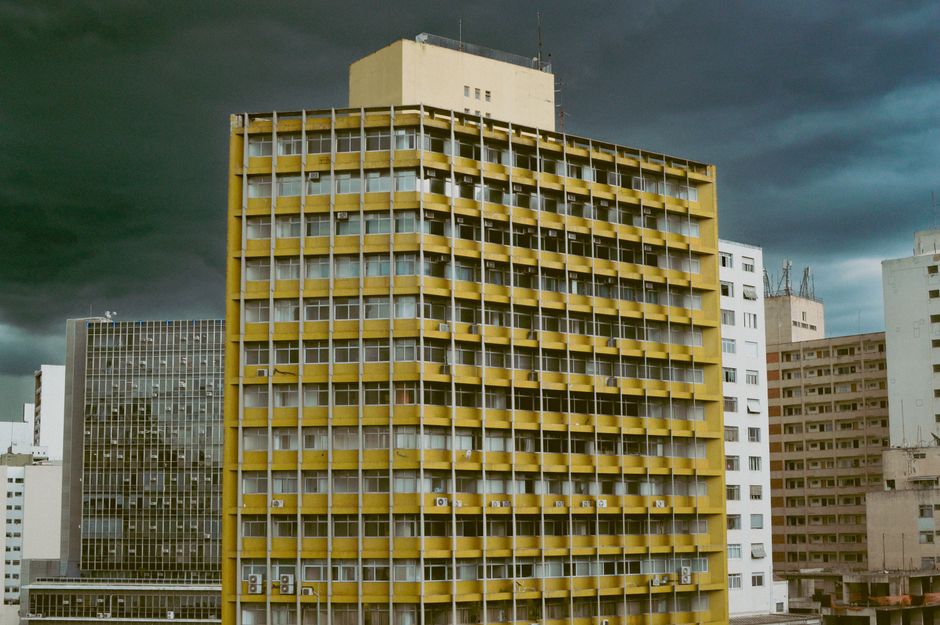
The commercial property market in São Paulo's traditional business districts is experiencing a recalibration unlike anything seen in the past decade, driven largely by geopolitical and economic headwinds rippling across the globe.
Recent volatility in international relations—from trade policy shifts to Middle Eastern tensions affecting supply chains—has prompted major corporations to reassess their operational footprint in the city. Property consultants report that inquiries about office space in Avenida Paulista and the Jardins neighbourhood have grown more cautious, with companies requesting longer lease negotiations and more flexible contract terms.
"We're seeing multinational firms demand escape clauses they never asked for before," says a senior analyst tracking the commercial real estate sector. Average asking rents in premium Avenida Paulista locations remain around R$150-180 per square meter monthly, but landlords are increasingly willing to negotiate—a departure from the seller's market of 2024.
The uncertainty extends beyond traditional office towers. The mixed-use developments transforming Vila Mariana and Itaim Bibi are encountering delays as anchor tenants pause expansion decisions. Several international corporations with regional headquarters near Imigrantes Avenue have postponed or cancelled planned office upgrades, redirecting capital allocation toward more stable markets.
Currency fluctuations compound the challenge. The Brazilian real's volatility against the dollar makes long-term commitments riskier for foreign companies calculating operational costs in multiple currencies. This has particularly affected technology firms and professional services companies that typically occupy premium space in the Consolação district.
Domestic demand, however, shows more resilience. Brazilian companies are maintaining or modestly expanding operations, albeit with greater attention to efficiency metrics. Some firms are consolidating space in Avenida Faria Lima—the traditional financial corridor—to reduce overhead while maintaining prestige.
The vacancy rate in São Paulo's prime office markets hovers around 12-14%, higher than pre-pandemic levels but stabilizing. Landlords are increasingly offering tenant improvement allowances and faster occupancy incentives to secure long-term commitments, particularly in secondary locations in Brooklin and Vila Nova Conceição.
Industry observers expect this trend to persist through at least 2027, as corporations worldwide adopt more defensive postures. For São Paulo's commercial real estate sector, adaptation is no longer optional—it's survival. Those offering flexibility, modern amenities, and competitive terms are winning the competition for multinationals reassessing their Brazil exposure in an unpredictable global environment.
This article was compiled by AI from the sources linked above and screened before publishing. See our editorial standards.
How does this story make you feel?
Spread the word
About this article
Published by The Daily São Paulo
Daily brief
Free, in your inbox before 7am. Weekdays.
More in Business