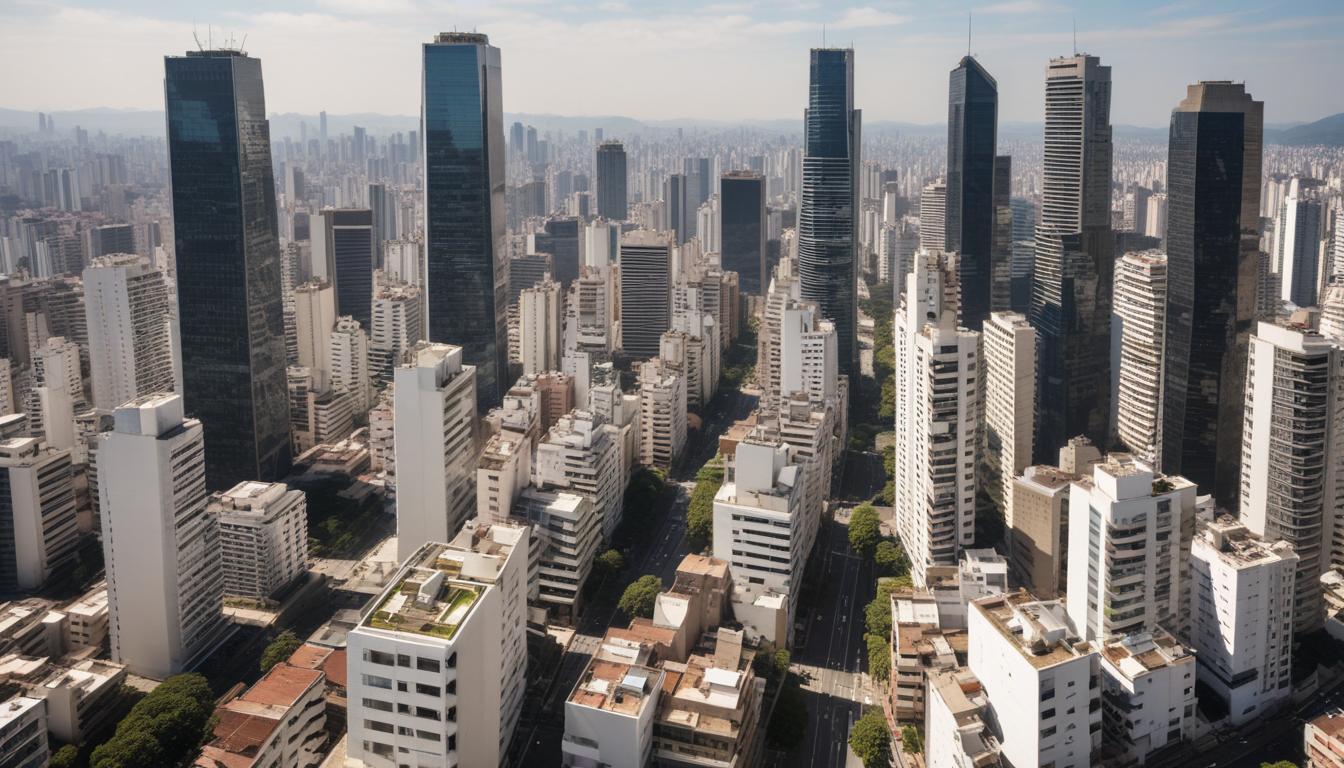
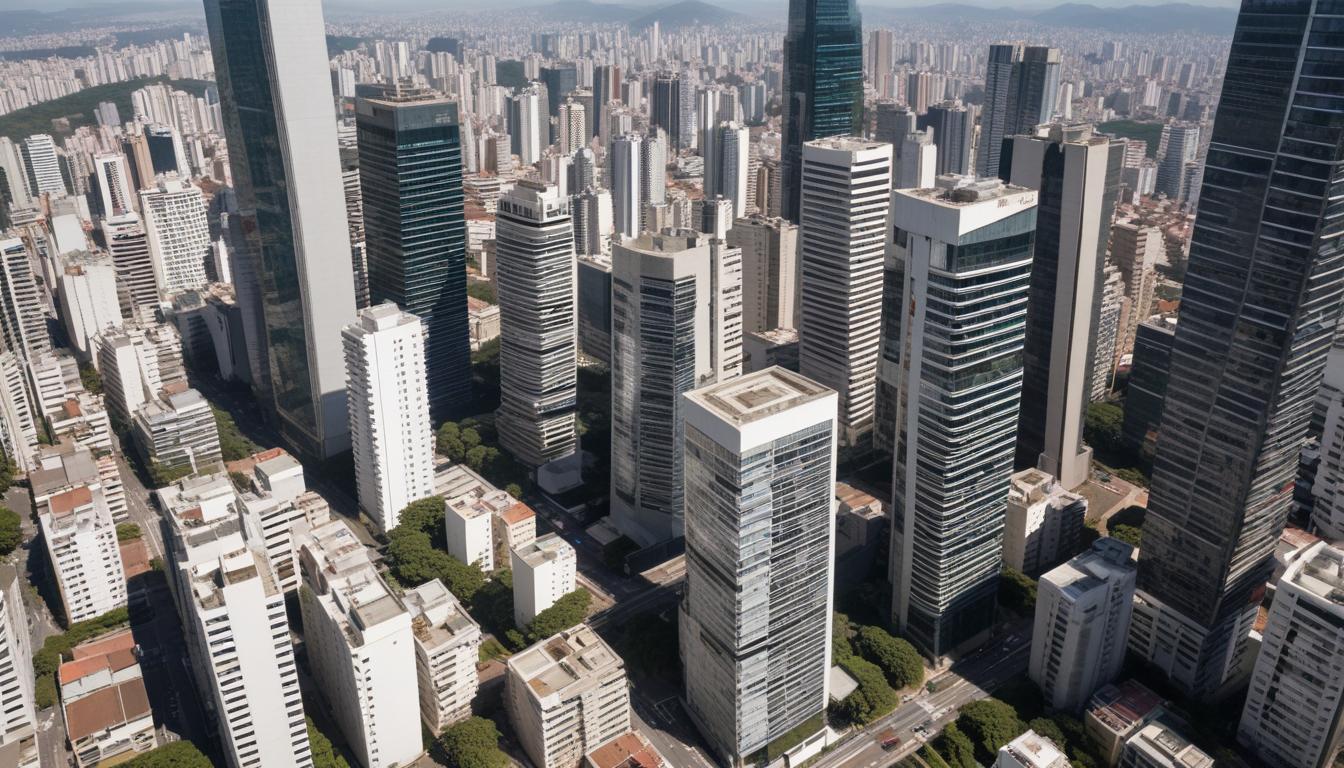
São Paulo's retail hospitality sector is experiencing a decisive shift. After three years of margin compression and selective closures, restaurant groups and independent operators are expanding aggressively into mid-tier market segments—where diners spend R$80 to R$150 per person—capturing what analysts describe as a structural opportunity in consumer behavior.
The momentum is clearest in established commercial corridors. Along Rua Oscar Freire in Cerqueira César and the emerging food-focused stretch of Vila Mariana, new concepts are opening at a pace not seen since 2019. Industry data from the Brazilian Association of Food and Beverage Service (ABRASEL) indicates that metropolitan São Paulo added 247 new licensed establishments in the first half of 2026, with 68 percent concentrated in the casual and contemporary segments.
"The opportunity exists because two conditions aligned," explains the operational strategy adopted by several expanding groups. Consumer confidence in the metropolitan region has recovered to 2017 levels, while rental availability in secondary commercial zones has created favorable lease terms. A 120-square-meter space in Vila Mariana now commands approximately R$12,000 monthly—down from R$16,500 in 2022.
Established players are moving decisively. Major hospitality groups have launched new brands targeting the weekday lunch demographic and weekend family dining. Simultaneously, independent operators—many with single locations that survived the downturn—are franchising or opening satellite units. The strategic focus is neighborhoods with high foot traffic but lower occupancy costs: Pinheiros, Alto de Pinheiros, and the expanding commercial zones along Avenida Paulista's side streets.
Food supply chains have stabilized sufficiently to support menu consistency. Input costs, while elevated compared to pre-pandemic benchmarks, have plateaued. This predictability enables operators to lock in supplier agreements and maintain margin targets of 28 to 32 percent—levels that justify expansion capital.
The demographic driver is clear: São Paulo's household formation remains robust, particularly among professionals aged 28 to 45 with disposable income. This cohort frequents establishments offering quality, reliability, and moderate pricing—precisely the positioning these emerging mid-market concepts occupy.
Retail property investors have noticed. Commercial real estate activity in hospitality-zoned neighborhoods is accelerating. Banks are releasing credit for expansion more readily, with food-sector lending up 34 percent year-over-year according to preliminary central bank data.
The window for market entry, however, is time-sensitive. As rents normalize and prime locations fill, early-mover advantage diminishes. Operators who secure locations and establish brand presence over the next 18 months will likely secure market position during the metropolitan region's next maturity phase.
This article was compiled by AI from the sources linked above and screened before publishing. See our editorial standards.