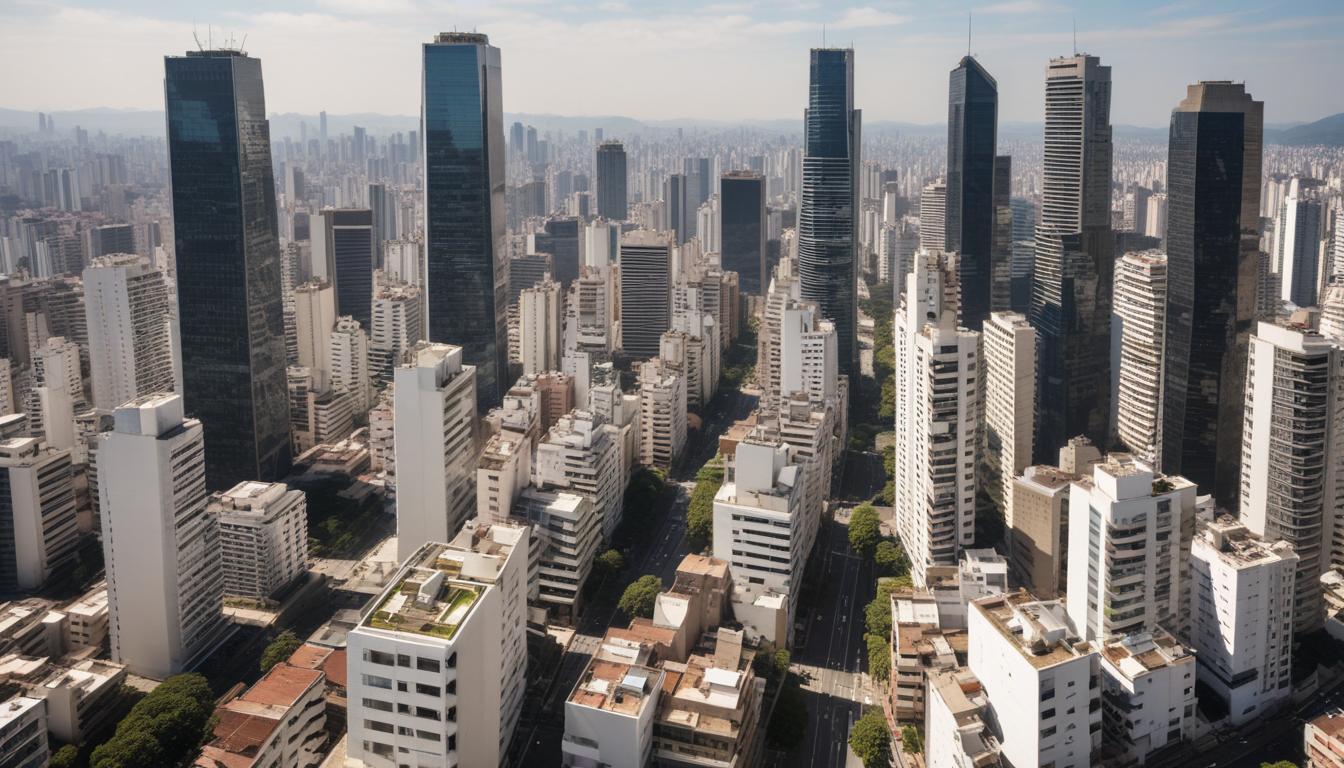
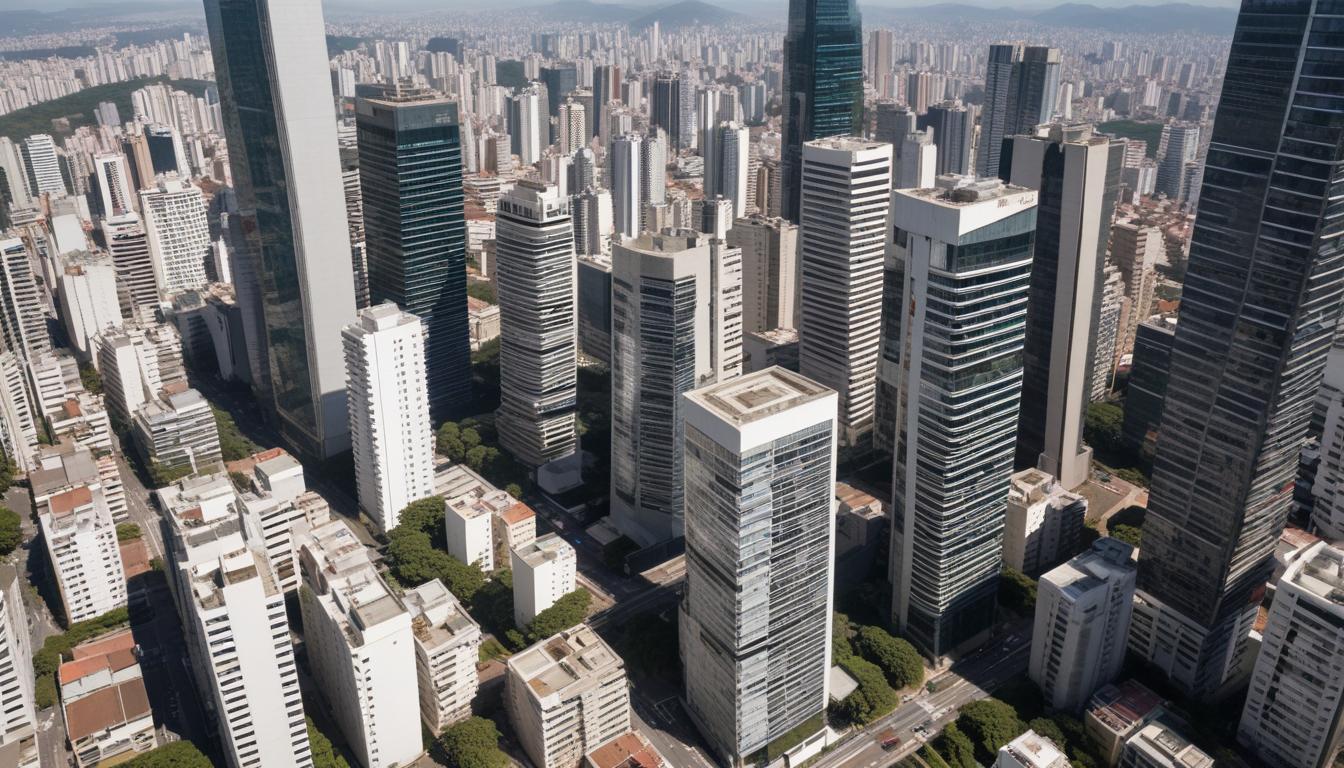
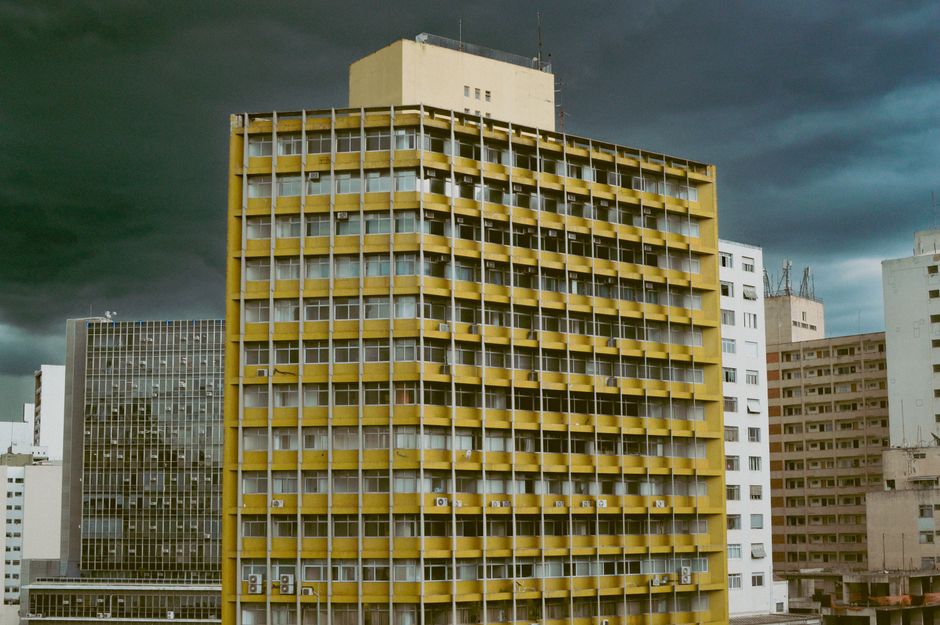
São Paulo's commercial real estate market is experiencing a decisive shift as multinational corporations respond to escalating global tensions by reassessing their Latin American footprint. The ripple effects of international instability—from Middle Eastern negotiations to mining deal scrutiny—are trickling down to the city's most prestigious business addresses, reshaping demand patterns across Avenida Paulista, Faria Lima, and Vila Mariana.
Commercial vacancy rates in the Faria Lima corridor have climbed to 18.2%, up from 14.8% two years ago, according to preliminary market surveys. Property consultants attribute this shift partly to multinational companies adopting cautious expansion strategies amid global uncertainty. Several North American and European firms have deferred office expansions planned for 2026, citing volatile commodity markets and unpredictable geopolitical outcomes affecting their supply chains.
"We're seeing a bifurcation in the market," explains one major property services firm operating across São Paulo's central business districts. Premium Class A properties in Ibirapuera's emerging tech corridor and selected Pinheiros addresses remain attractive to companies seeking flexibility through shorter lease terms. Meanwhile, traditional prestige addresses face pricing pressure as tenants demand concessions.
The trend reflects broader corporate caution. International mining operations, crucial to São Paulo's service economy, are under heightened scrutiny globally, causing some resource sector companies to streamline their Brazilian operations. This directly impacts demand from engineering firms, legal advisors, and financial services concentrated near Avenida Paulista.
However, the picture isn't uniformly negative. Tech firms and financial service providers are increasing their São Paulo presence as companies diversify away from geopolitical hotspots. Several fintech companies have recently expanded into the Vila Mariana and Itaim Bibi neighborhoods, seeking talent and operational stability. This countertrend is helping absorb some displaced demand, though at more modest rental rates than pre-2024 levels.
Average asking rents on Avenida Paulista have stabilized around R$2,400 per square meter annually—down approximately 8% from 2024 peaks. Secondary avenues and mixed-use developments show greater flexibility, with landlords increasingly offering tenant improvement allowances and extended rent-free periods.
For São Paulo's commercial real estate sector, the lesson is clear: global volatility now directly determines local market conditions. Companies planning Brazilian expansion are increasingly hedging their bets through shorter commitments and geographic diversification within the metropolitan area, favoring neighborhoods perceived as offering both talent access and operational resilience in uncertain times.
This article was compiled by AI from the sources linked above and screened before publishing. See our editorial standards.