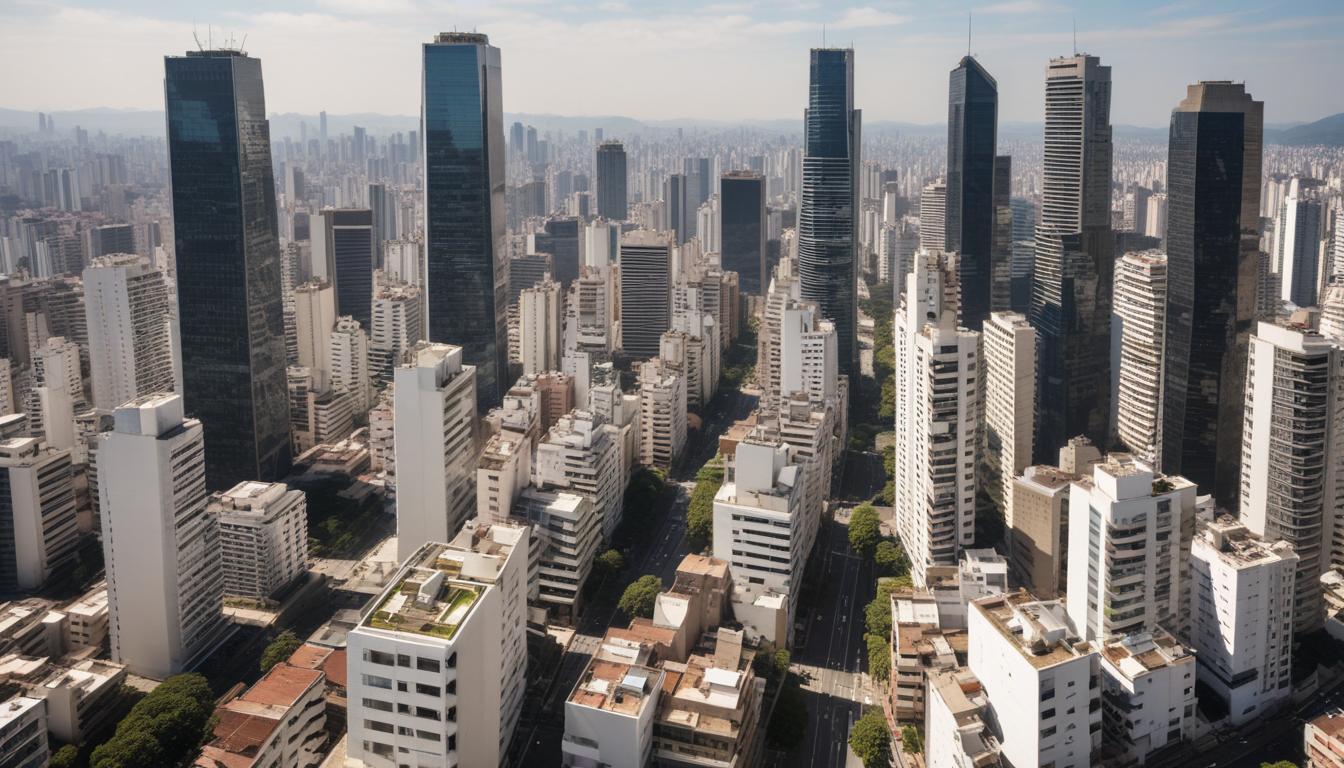
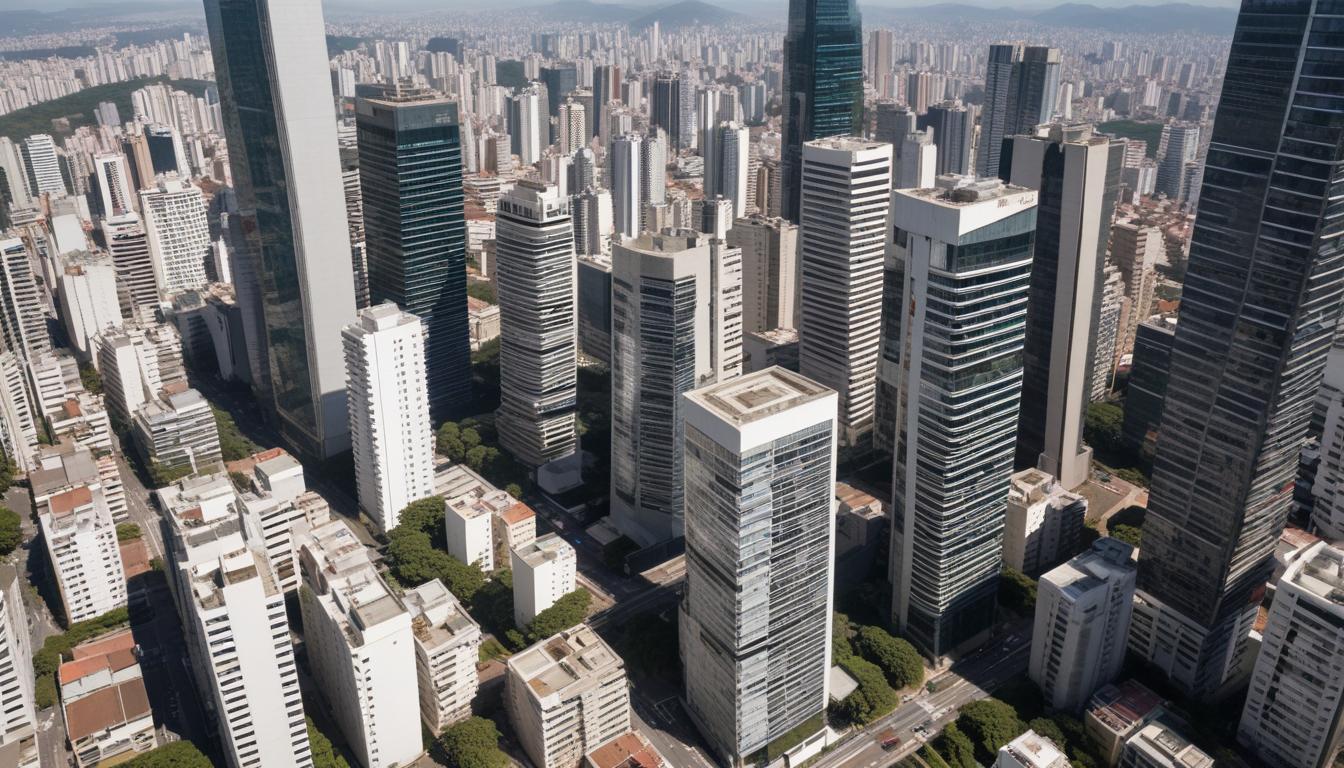
Walk along Rua Bandeira in Pinheiros on any weekday evening and you'll spot the queue—regulars and newcomers alike waiting for tables at establishments bearing the same family name. What began as a single 40-seat casual dining spot in 2015 has evolved into a small but mighty hospitality network that now spans Vila Mariana and Consolação, employing over 120 staff members across venues focused on contemporary Brazilian cuisine and responsibly sourced ingredients.
The São Paulo hospitality sector has faced considerable headwinds. According to the Brazilian Association of Food Service and Accommodation (ABRESI), the city's food and beverage establishments reported a 12% decline in foot traffic during the first quarter of 2026, while operational costs—particularly labour and imported goods—rose by an average of 8.5%. Yet this particular operator's venues have managed year-on-year growth, bucking the trend through what industry analysts describe as a hyperlocal, community-first strategy.
The approach centres on partnership with small-scale producers across the Greater São Paulo region. Rather than relying on centralised distribution networks, the restaurants source vegetables and grains directly from farms within 80 kilometres of the city. Proteins come from certified suppliers with transparent supply chains. The model reduces transport costs while supporting rural communities—and the messaging resonates with diners willing to pay premium prices for transparency.
Labour retention stands out as another differentiator. While the hospitality sector nationally experiences turnover rates exceeding 40% annually, this group maintains an average tenure of four years among kitchen and floor staff. Benefits include subsidised language courses and a profit-sharing scheme tied to venue performance, unusual in an industry often characterised by precarious employment.
The expansion hasn't been without challenges. Rents in Pinheiros have climbed sharply; commercial square-metre rates now hover around R$350-400 monthly, double the figure from six years ago. The operator has responded by securing longer-term leases and focusing on secondary locations with strong foot traffic rather than premium addresses.
Industry observers suggest this model offers a template for independent hospitality operators navigating São Paulo's increasingly difficult economic environment. As larger chains consolidate market share through aggressive expansion, smaller entrepreneurs who invest in community relationships, staff development, and supply-chain integrity appear better positioned to weather volatility.
The three venues collectively serve approximately 2,000 covers weekly. By year-end, a fourth location in the Tatuapé neighbourhood is planned. It's modest growth compared to international chains, but in São Paulo's current climate, sustainability itself has become noteworthy.
This article was compiled by AI from the sources linked above and screened before publishing. See our editorial standards.