São Paulo's Tech Boom Is Reshaping Your Neighborhood—Here's What You Need to Know
As startups transform districts like Vila Madalena and Pinheiros, residents and consumers face rising rents, new services, and a shifting cultural landscape.
As startups transform districts like Vila Madalena and Pinheiros, residents and consumers face rising rents, new services, and a shifting cultural landscape.
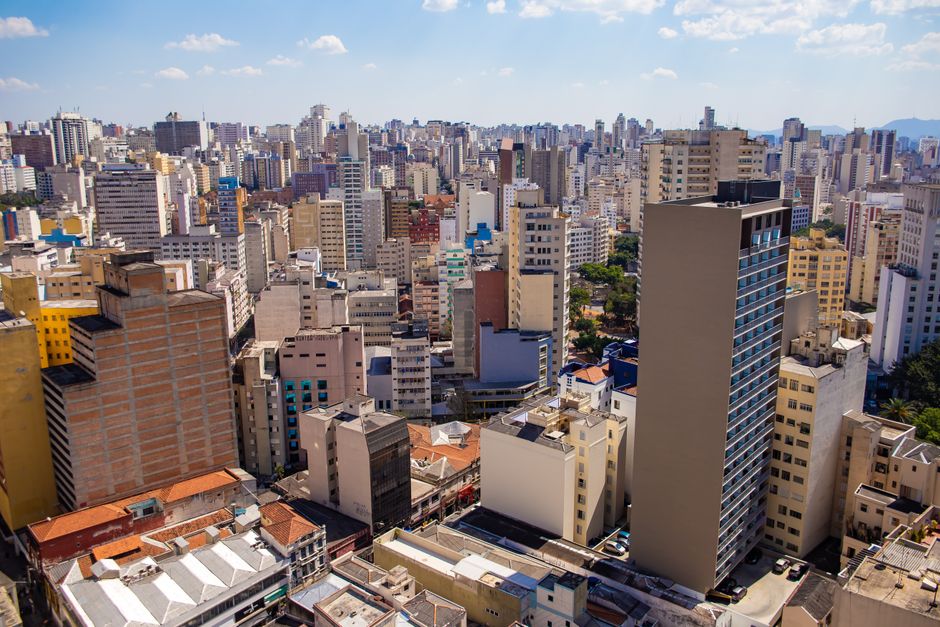
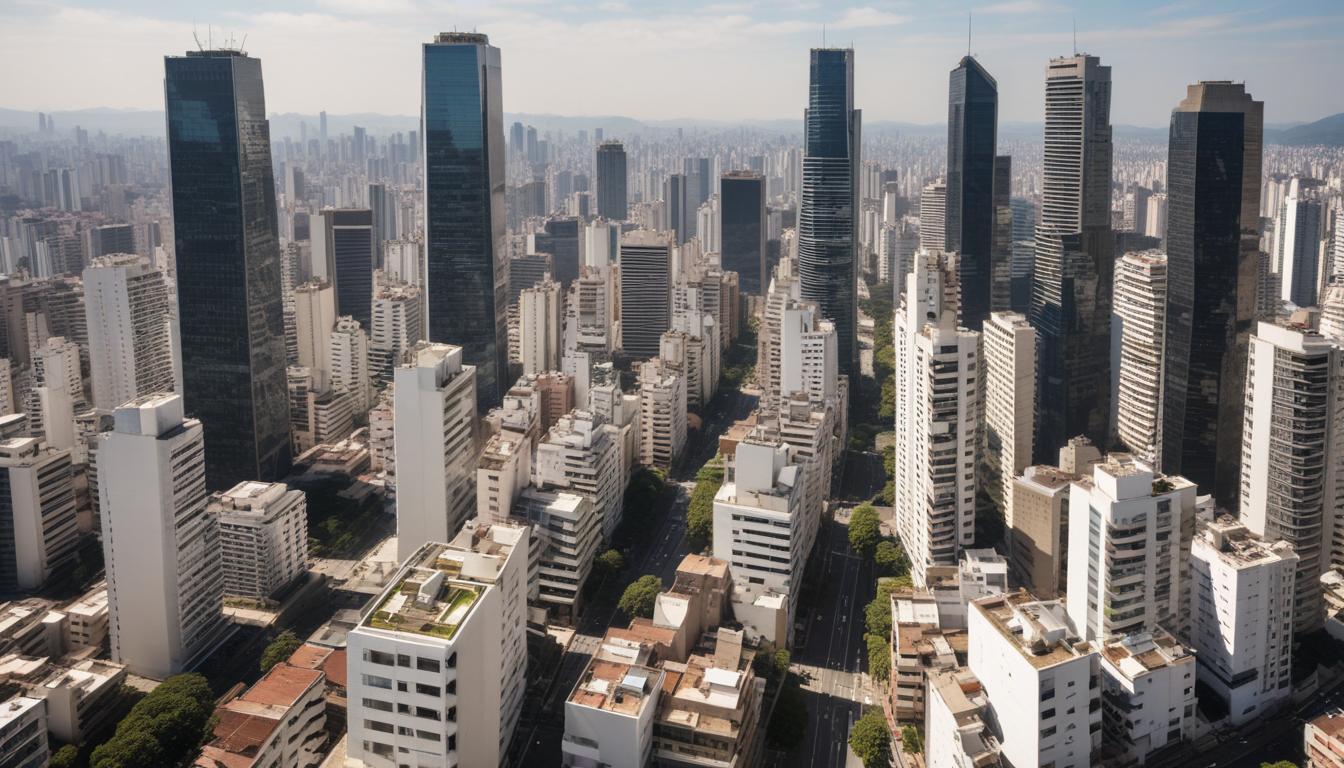
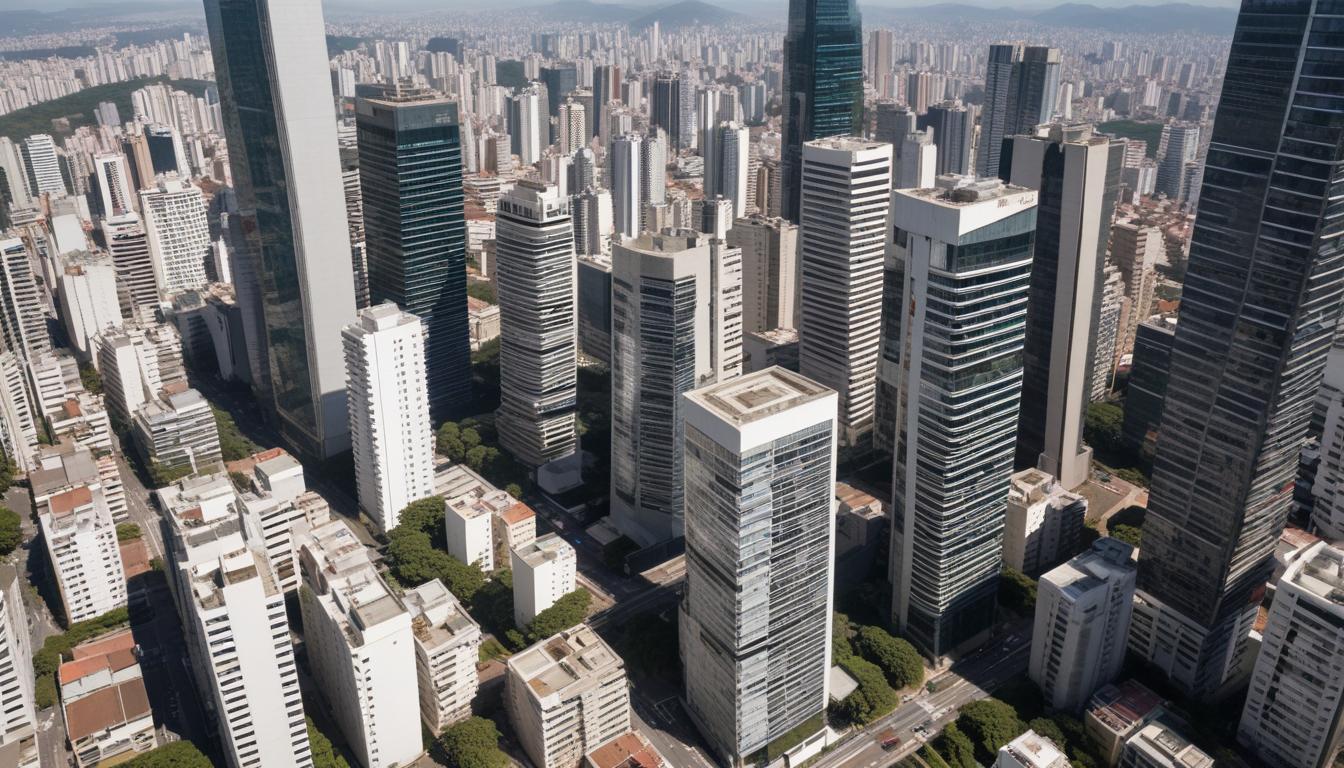
Walk down Rua Bandeira in Vila Madalena on any weekday afternoon, and you'll notice something has changed. The vintage bookstores and hole-in-the-wall bars are still there, but they're now squeezed between glass-fronted startup offices, co-working spaces, and venture capital firms. This isn't accidental. São Paulo's innovation districts are remaking the city's geography and your daily life in ways most residents don't fully understand yet.
The numbers tell the story. São Paulo now hosts over 11,000 registered startups—a 34% increase since 2022—concentrated heavily in Pinheiros, Vila Madalena, and the emerging Zona Leste tech corridor around the ETEC Parque da Juventude. This concentration of innovation capital brings tangible changes to how you shop, commute, and pay for services. Apps built in these neighborhoods—from food delivery logistics to last-mile transportation solutions—directly shape consumer choices for millions of paulistas.
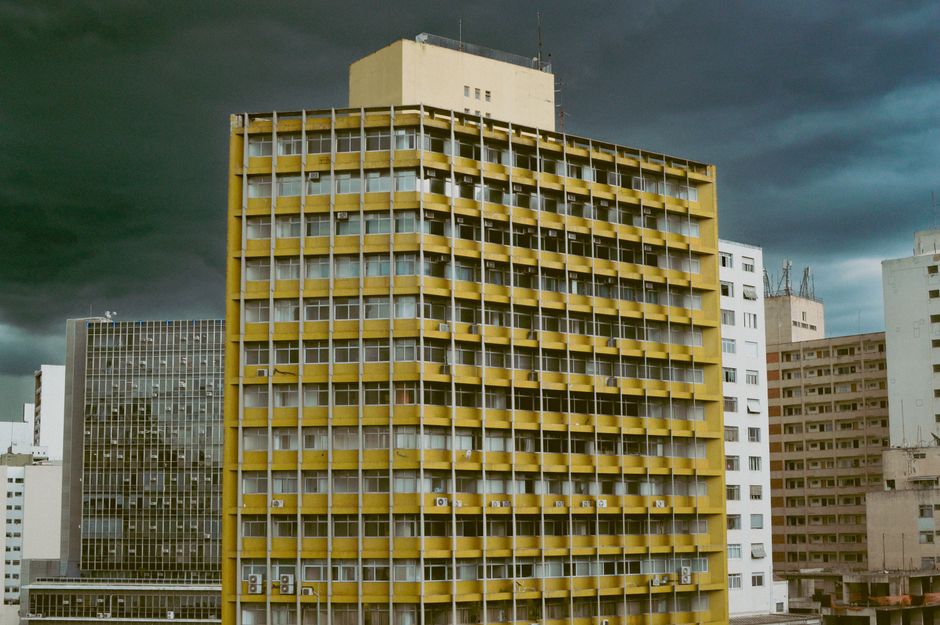
But the impact cuts both ways. Property values in Pinheiros have risen 18-22% annually for the past three years, according to commercial real estate analyses. A one-bedroom apartment that rented for R$2,500 monthly in 2022 now commands R$3,800 or more. Longtime residents and small businesses are being priced out. The beloved *botecos* where workers once gathered are becoming venture-backed restaurants with R$150 tasting menus.
The upside deserves mention. These innovation hubs generate employment—an estimated 145,000 jobs directly and indirectly linked to startup ecosystems. They've also accelerated digital infrastructure. Neighborhoods like Vila Leopoldina, transformed by tech investment over the past four years, now have better broadband, mobile networks, and digital payment adoption than many wealthier traditional areas.
Consumer services are shifting too. The startups proliferating here aren't just unicorn-hunting vanity projects. They're solving practical problems: better public transit integration through apps, improved healthcare access in underserved neighborhoods, fintech solutions bypassing traditional banking gatekeepers. For everyday residents, this means more options—but also disruption to established routines.
The critical question for São Paulo isn't whether innovation matters. It's whether the city can manage growth equitably. Other global cities have struggled when tech booms concentrate wealth and displace communities. São Paulo's policymakers, from municipal government to the São Paulo State Development Agency, face pressure to ensure innovation districts benefit residents beyond the startup elite.
Understanding this transformation isn't optional anymore. Your neighborhood's future, your rent, your job prospects, and which services you'll use are all being shaped by decisions made in these innovation hubs right now.
This article was compiled by AI from the sources linked above and screened before publishing. See our editorial standards.
How does this story make you feel?
Spread the word
About this article
Published by The Daily São Paulo
Daily brief
Free, in your inbox before 7am. Weekdays.
More in Business