São Paulo's Hybrid Workspace Revolution: The Winners Capitalizing on a Market Shift
As traditional office demand softens, adaptive real estate players and tech-forward landlords are capturing premium rents in São Paulo's most resilient corridors.
As traditional office demand softens, adaptive real estate players and tech-forward landlords are capturing premium rents in São Paulo's most resilient corridors.
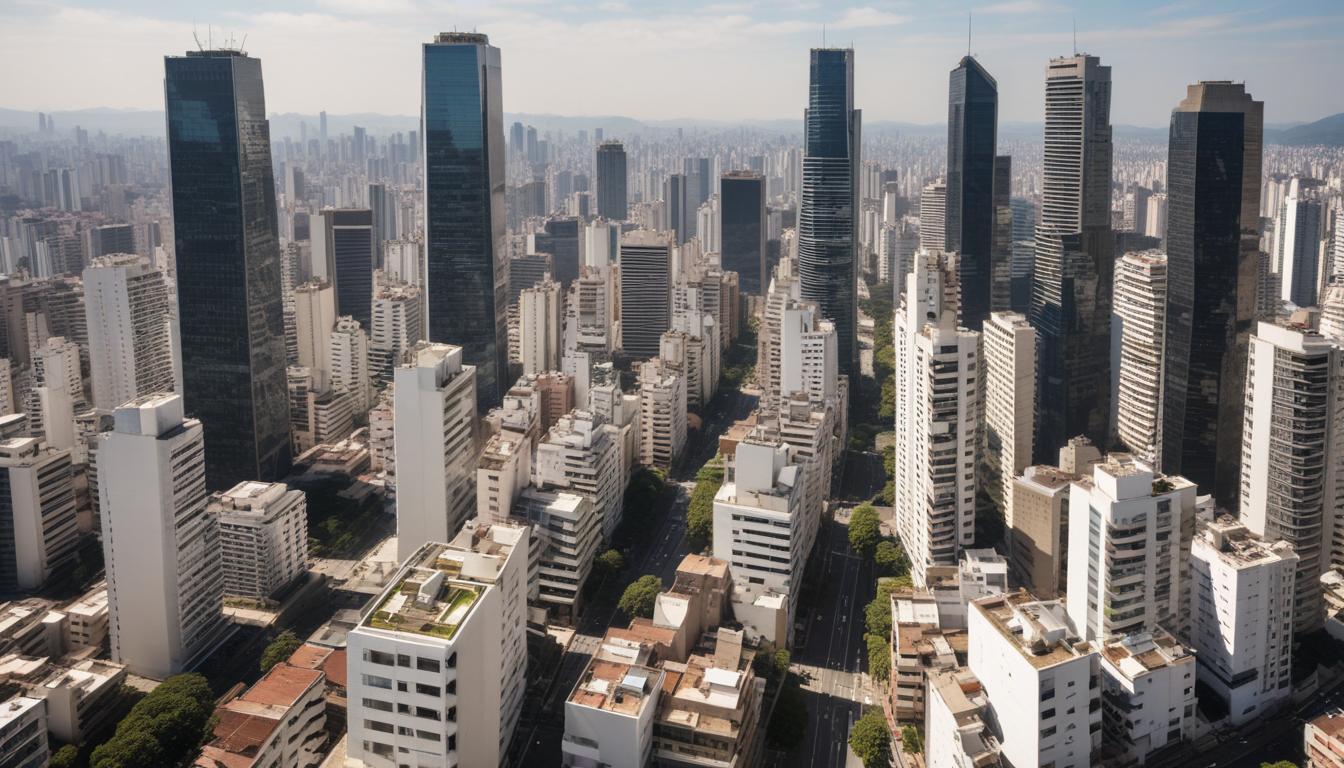
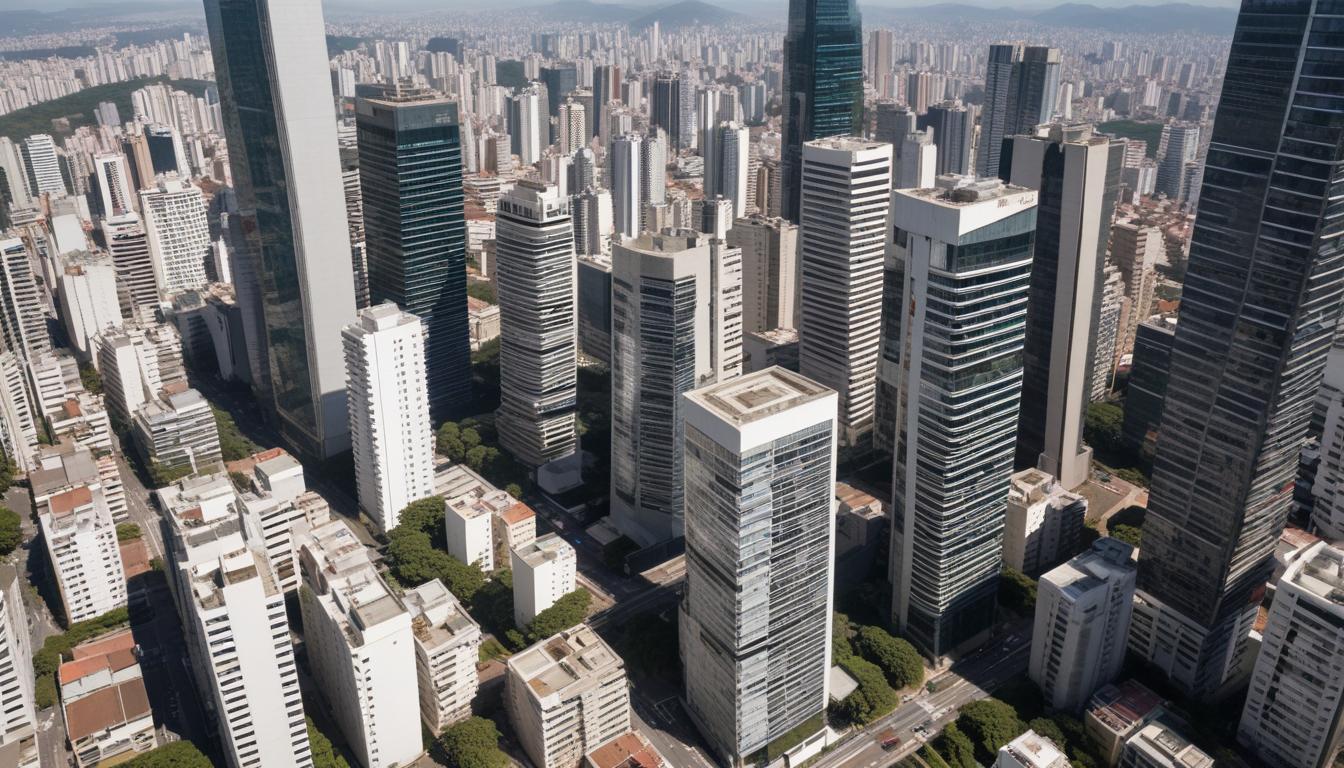
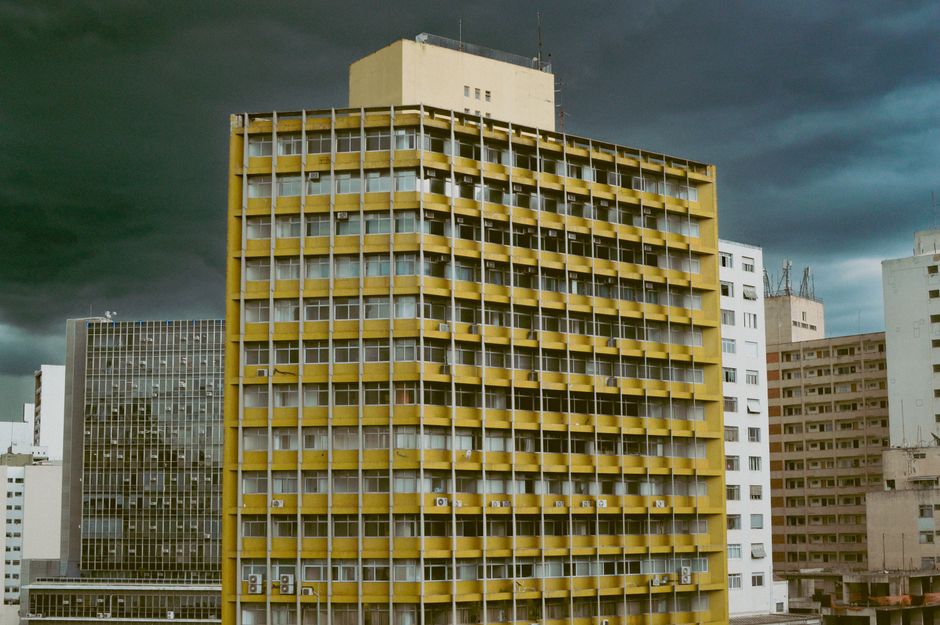
São Paulo's commercial property market is undergoing a quiet but decisive realignment. While vacancy rates in aging corporate towers along Avenida Paulista have edged toward 18 percent—a five-year high—forward-thinking developers and property managers are quietly reaping outsized gains by repositioning assets for a post-pandemic workforce reality.
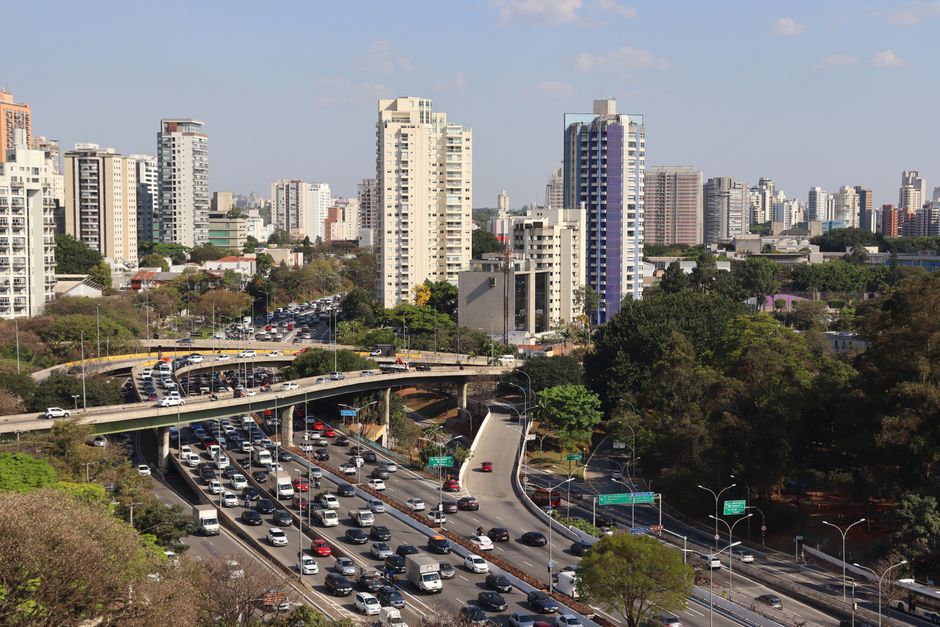
The divergence is stark. Traditional Class A office space in consolidated business districts faces downward pressure on rental rates, with some landlords accepting terms 12-15 percent below asking prices from two years ago. Meanwhile, mixed-use developments offering flexible floor plates, amenity-rich common spaces, and integrated food-and-beverage operations are commanding premium valuations. Several Portuguese-speaking venture capital firms and multinational tech companies have recently consolidated operations into high-specification flex spaces in Vila Mariana and around the Imigrantes corridor, where landlords upgraded HVAC systems and fiber connectivity to meet post-2024 corporate standards.
The winners aren't just developers. São Paulo-based property management firms that pivoted early toward technology-enabled building systems and tenant experience platforms are now fielding acquisition interest from institutional investors seeking scalable operational models. Coworking operators have similarly benefited, with operators managing spaces near Consolação and in the Pinheiros neighbourhood reporting sustained demand from scaling startups and decentralized teams that rejected return-to-office mandates.
Data underscores the shift. Absorption of new flexible workspace totaled approximately 185,000 square metres across the metropolitan region in 2025, representing 41 percent of all office leasing activity—up from 18 percent in 2022. Rents for premium flex spaces in prime locations now command R$ 180–220 per square metre monthly, compared to R$ 120–150 for conventional Class B stock in secondary zones.
Interestingly, some traditional landlords are retrofitting existing buildings rather than accepting vacancy. Renovation projects converting dated office inventory into mixed-use properties with ground-floor retail, fitness facilities, and health-services tenants have gained momentum in neighbourhoods like Bela Vista and República, where underlying real estate values remain strong despite headwinds in pure office demand.
The structural lesson is clear: in São Paulo's sophisticated commercial market, asset class hasn't changed, but the definitions of utility and tenant value have. Property owners and operators who anticipated this transition—investing in technology, flexibility, and experiential amenities—are outpacing competitors relying on legacy business models. For investors and tenants alike, the São Paulo office market's future belongs to those who moved early.
This article was compiled by AI from the sources linked above and screened before publishing. See our editorial standards.
How does this story make you feel?
Spread the word
About this article
Published by The Daily São Paulo
Daily brief
Free, in your inbox before 7am. Weekdays.
More in Business