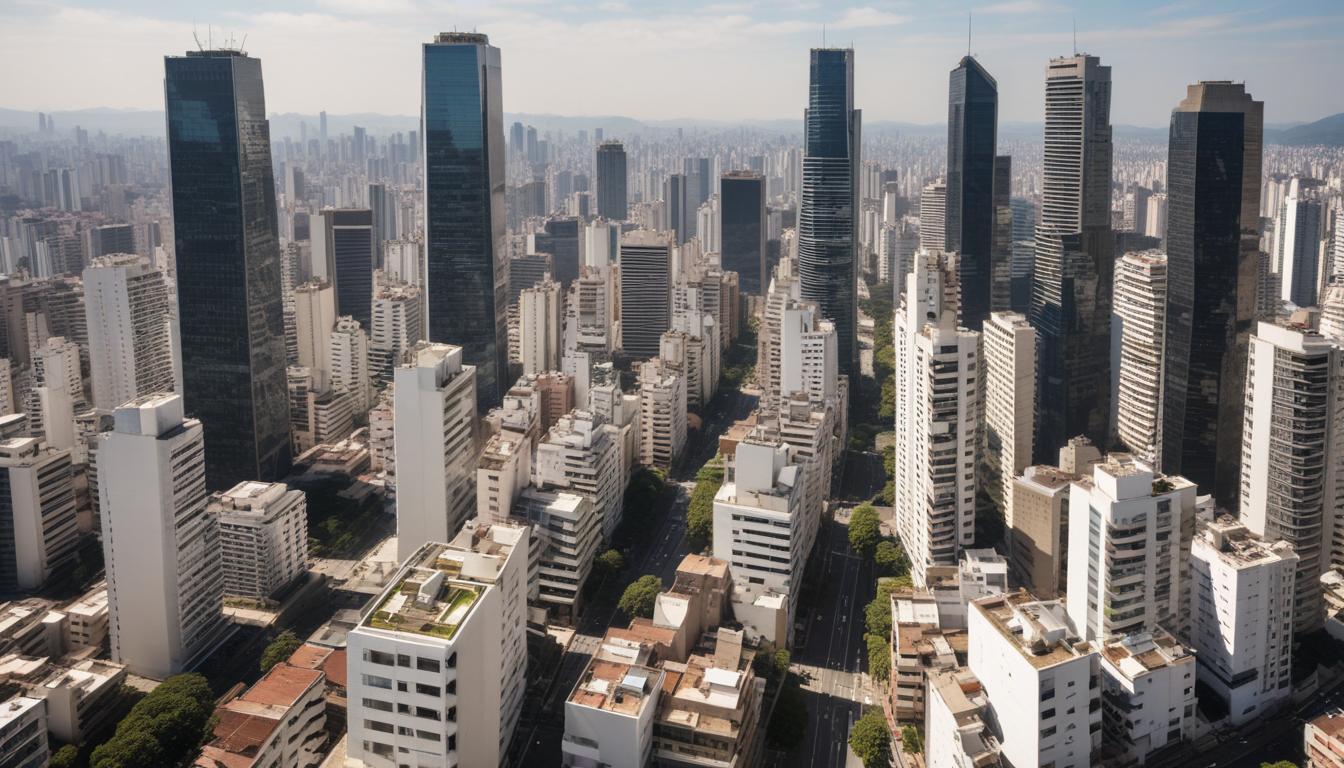
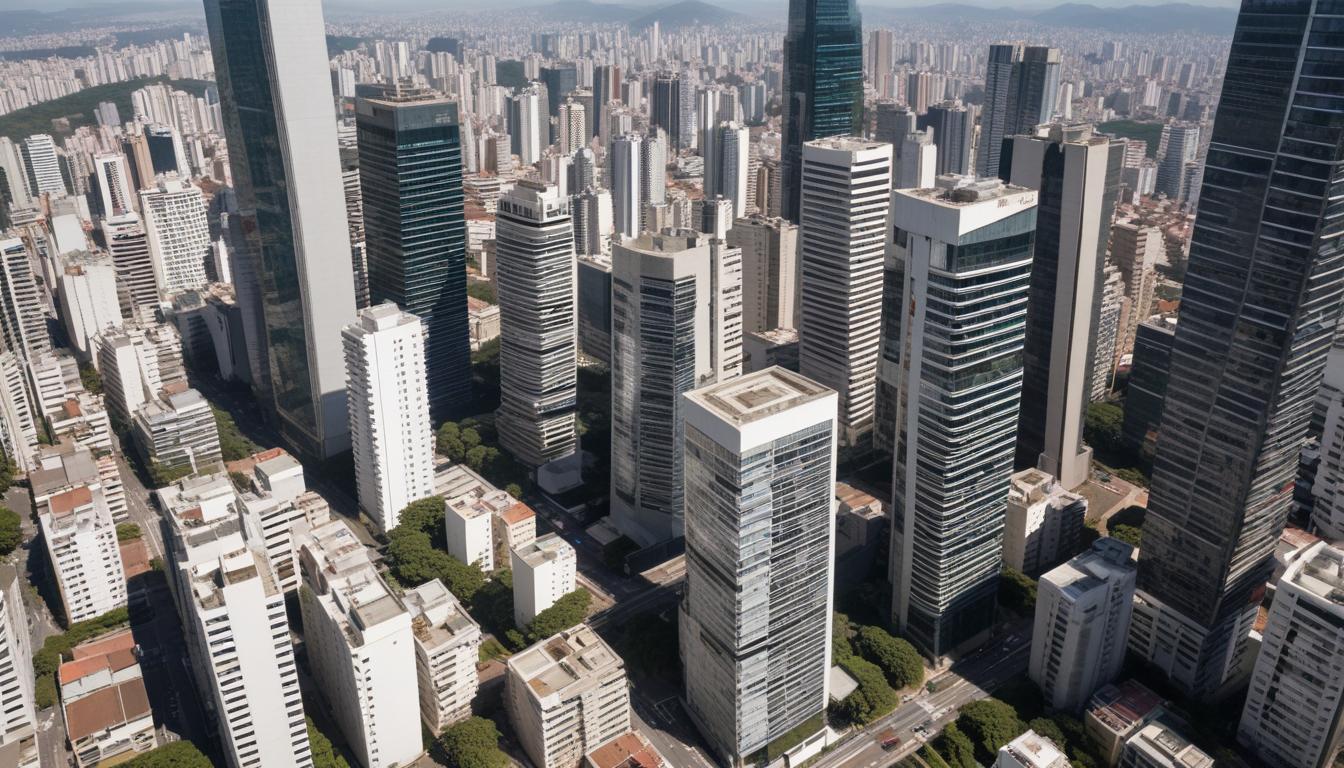
The arithmetic of survival in São Paulo has shifted dramatically. A family earning 5,000 reais monthly now allocates nearly 45 percent of that income to rent, utilities and food—up from 38 percent three years ago. This squeeze, felt acutely across neighbourhoods like Vila Mariana and Pinheiros, is reshaping where money flows and who captures it.
The emerging opportunity is unmistakable: consumers desperate for financial breathing room are embracing alternatives to traditional banking. Digital lenders operating along Avenida Paulista report 60 percent year-on-year growth in loan applications from small traders and salaried workers seeking emergency credit. These platforms charge steep rates—often 8 to 12 percent monthly—yet applications continue surging because established banks have tightened credit standards.
Meanwhile, discount retailers are thriving where supermarket chains stumble. A new wave of no-frills grocers has expanded across the Zona Leste, where household incomes remain below city averages. These operators strip away branding premiums and shelf space marketing fees, passing savings directly to price-conscious shoppers. One emerging chain has opened seventeen locations in twelve months, targeting areas around São Miguel Paulista and Itaquera where traditional supermarkets charge premium prices.
Property developers are also capitalizing on the shift. Rather than building luxury towers—a saturated market—several are pivoting toward compact apartments in emerging zones. Units in neighbourhoods like Tatuapé, previously overlooked by institutional investors, are selling faster than comparable stock in Jardins. The logic is straightforward: young professionals can no longer afford Pinheiros rents and are accepting longer commutes to save 1,500 reais monthly.
The financial services sector particularly rewards those who understood this transition early. A cooperative bank operating from Rua 25 de Março has grown its membership by 35 percent this year by charging minimal fees—a direct contrast to commercial banks imposing account maintenance charges on lower-balance customers. These institutions are not charities; they are simply capturing market share abandoned by competitors pursuing higher margins elsewhere.
What distinguishes this moment from previous economic downturns is the permanence of structural cost changes. Transportation inflation, driven by fuel and vehicle maintenance, shows no sign of reversing. Rental increases continue outpacing wage growth. For businesses attuned to these realities, the opportunity remains substantial—not in selling more stuff to the same customers, but in selling affordable access to essential services and products to those previously priced out.
This article was compiled by AI from the sources linked above and screened before publishing. See our editorial standards.