Green Energy Jobs Surge in São Paulo as Early Adopters Reap Rewards
A renewable energy boom is reshaping the city's labour market, with skilled workers and forward-thinking companies already capitalizing on Brazil's clean technology shift.
A renewable energy boom is reshaping the city's labour market, with skilled workers and forward-thinking companies already capitalizing on Brazil's clean technology shift.
São Paulo's job market is undergoing a quiet transformation. While traditional sectors remain stable, a surge in renewable energy and sustainability-focused businesses is creating high-wage positions faster than companies can fill them—and early movers are cashing in.
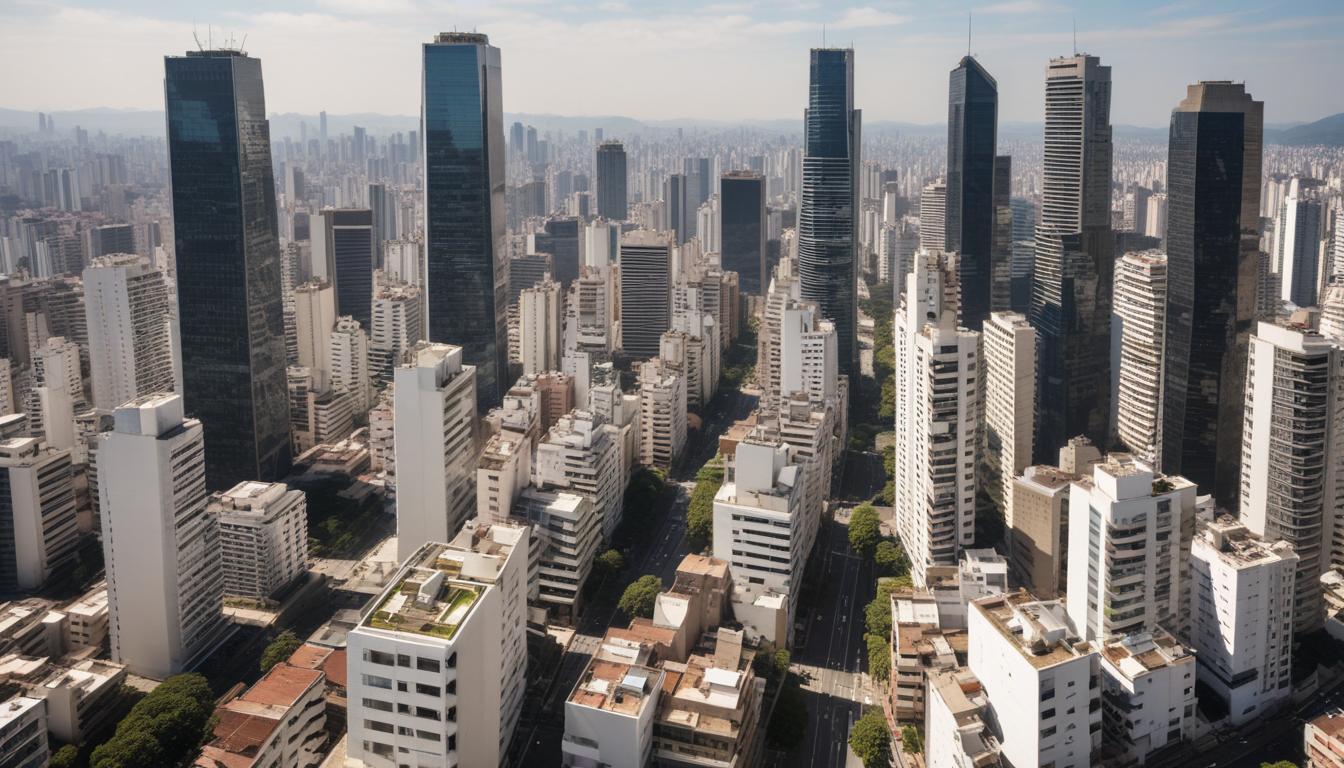
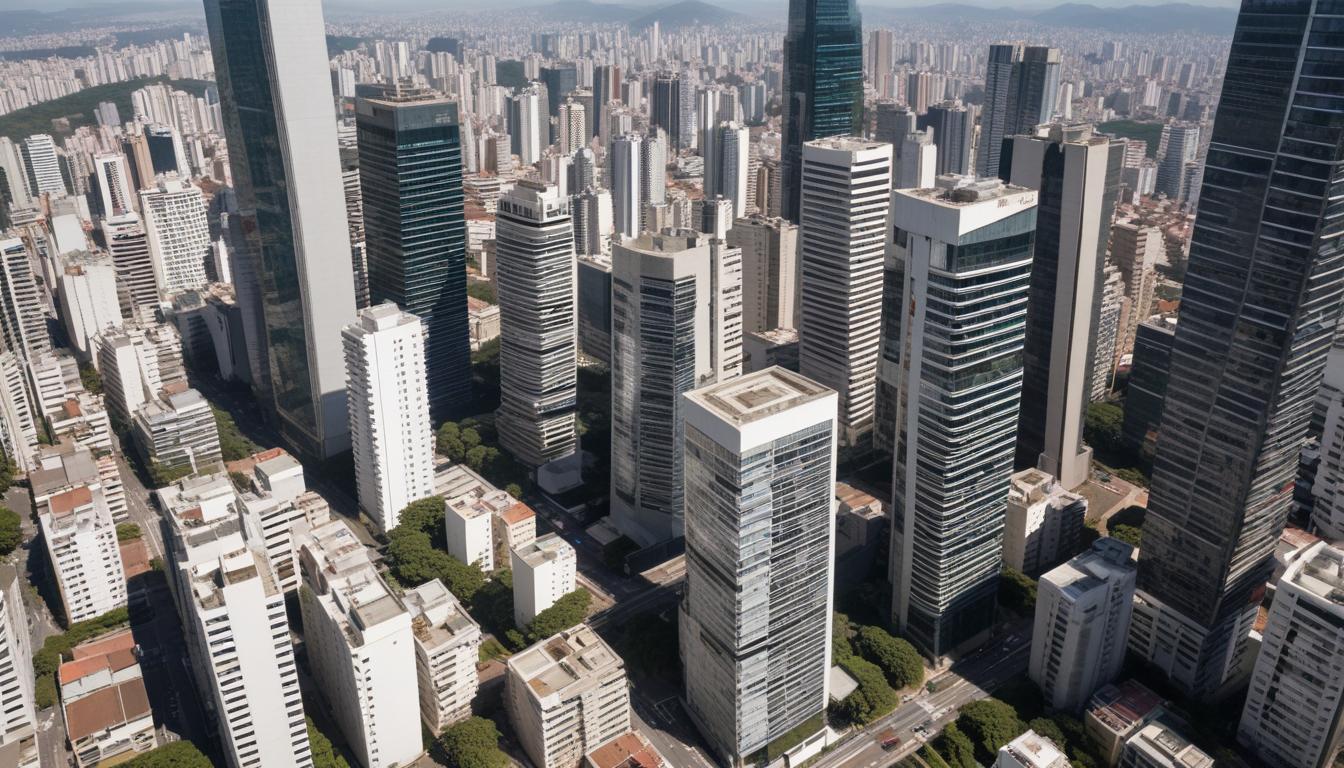
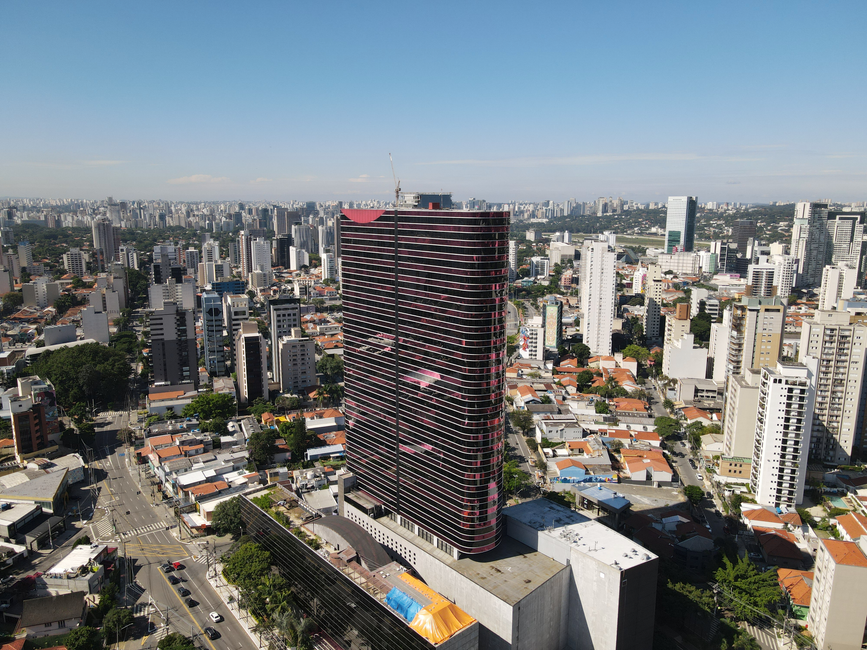
The trend is most visible in the Pinheiros neighbourhood, where renewable energy firms and green tech startups have clustered near the Avenida Faria Lima corridor. Major engineering consultancies that once focused exclusively on oil and gas infrastructure are now pivoting aggressively toward solar, wind, and battery storage projects. Companies like these are recruiting aggressively, offering salaries 15–25% above traditional manufacturing and construction roles.
Data from local employment agencies suggests that positions for renewable energy engineers, project managers, and grid modernization specialists are growing at roughly 22% annually—compared to 3–4% across the broader metropolitan economy. The average salary for a mid-level energy engineer in São Paulo now sits around R$120,000 to R$150,000 annually, up from R$95,000 five years ago.
Who is benefiting? Primarily university graduates with technical backgrounds in electrical and civil engineering, but also professionals retraining through specialized certification programmes. The Centro Tecnológico de Desenvolvimento Profissional (CTDP) and similar institutions near Consolação have seen enrolment in renewable energy courses double since 2024.
Smaller companies are also emerging as winners. Boutique consulting firms operating from shared office spaces in Vila Mariana and Itaim Bibi are winning contracts to advise municipalities and utilities on solar adoption and grid resilience. These firms employ 15–50 people and pay competitive salaries while maintaining lower overhead than São Paulo's traditional corporate giants.
The municipal government's commitment to expanding renewable energy infrastructure—announced at a ceremony in Ibirapuera Park last year—has been a clear catalyst. Contracts for modernizing power distribution across the city and suburbs are flowing steadily.
However, the opportunity remains unevenly distributed. Neighbourhoods like Brás and Mooca, traditional manufacturing hubs, have seen slower job creation in this sector. Workers without specialized credentials or English proficiency face barriers to entry, even as the labour shortage persists. Training programmes targeting these communities remain underfunded.
For those positioned to capture it, though, the window is open. In a city where unemployment hovers around 6.8% and wage growth elsewhere is muted, the renewable energy sector represents one of the few genuinely expanding opportunity zones—and companies are competing hard for talent.
This article was compiled by AI from the sources linked above and screened before publishing. See our editorial standards.
How does this story make you feel?
Spread the word
About this article
Published by The Daily São Paulo
Daily brief
Free, in your inbox before 7am. Weekdays.
More in Business