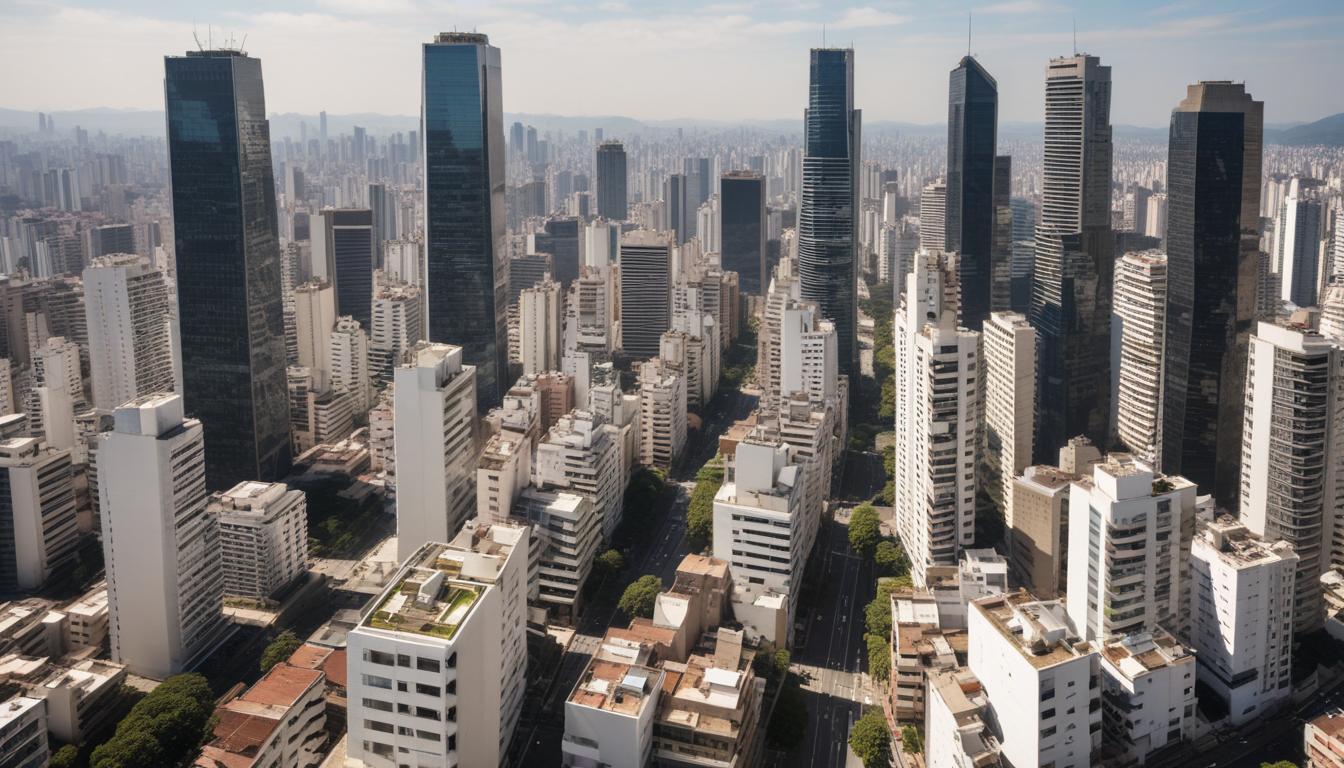
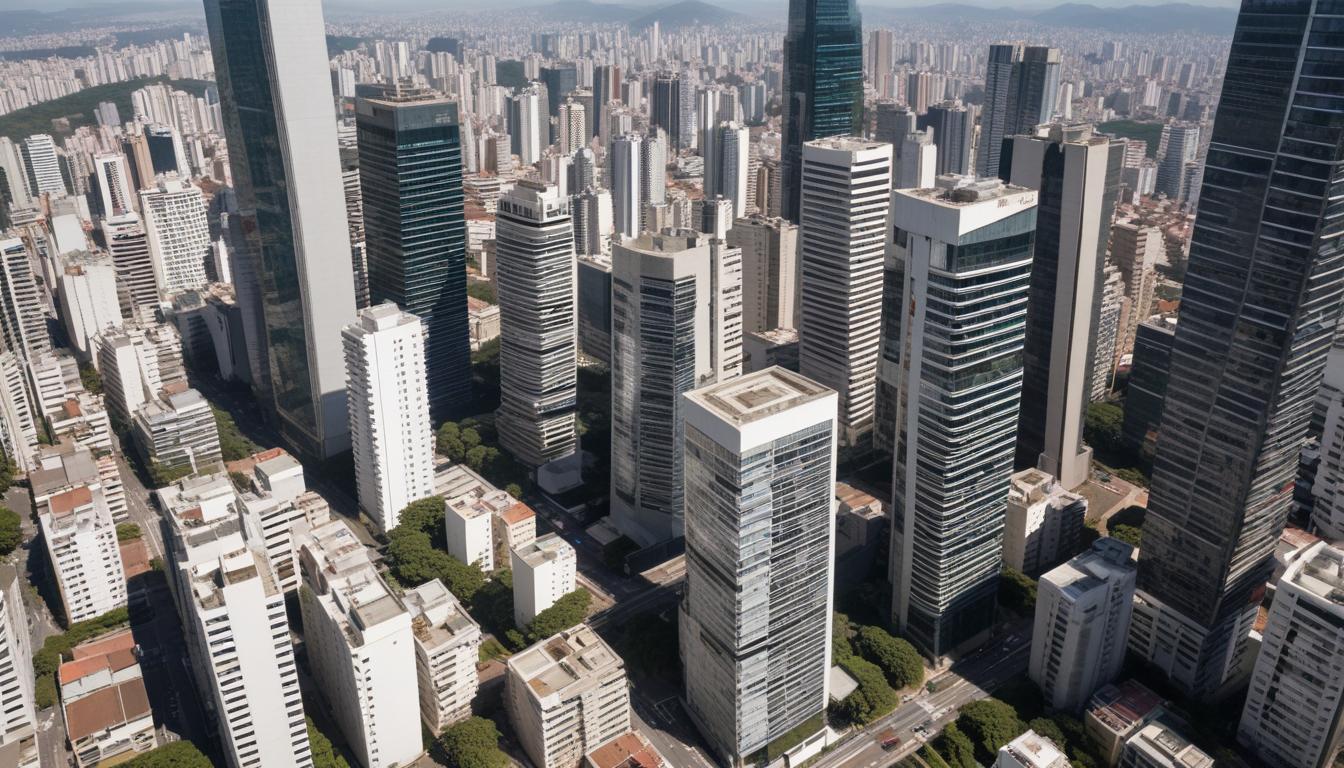
São Paulo's innovation districts have crossed a threshold. What began as scattered tech clusters a decade ago has crystallized into a recognizable ecosystem centered on Vila Madalena, Pinheiros, and the emerging Bom Retiro corridor—with clear winners emerging among those positioned earliest.
The numbers tell the story. Average commercial rents in Vila Madalena have climbed to R$150–200 per square meter annually, a 40% increase since 2021, according to property consultancy Cushman & Wakefield. Meanwhile, co-working operator Flex, which operates seven locations across São Paulo's tech neighborhoods, reported 85% occupancy rates in Q1 2026—a stark contrast to the post-pandemic slump.
Real estate players who acquired properties along Rua Mourato Coelho and surrounding blocks before 2023 are now seeing substantial appreciation. Developer Forma Capital, which focused on adaptive-reuse projects converting old warehouses into startup-friendly spaces, has become a recognizable brand among founders seeking affordable square footage. Their portfolio in the Bom Retiro area—historically industrial, increasingly fashionable—commands premium prices despite being slightly outside the traditional Vila Madalena orbit.
The venture capital side tells an equally revealing story. São Paulo-based funds like Distrito and Redpoint Labs, which prioritized early local market dominance, now serve as gatekeepers of institutional capital. Their networks have strengthened considerably; Distrito's latest fund closed at $85 million, nearly triple their 2019 raise. Newer entrants to the market face a crowded landscape where relationship capital matters enormously.
Service providers have capitalized on the ecosystem's maturation. Accounting firm Smaug, which specializes in startup tax optimization, has expanded headcount 200% since 2023. Similarly, legal consultancies focused on cap table management and regulatory compliance have become indispensable fixtures—and correspondingly expensive.
The opportunity now divides sharply. Early-stage founders still find genuine advantages: the density of talent, proximity to mentors and peer networks, and—crucially—the established infrastructure that makes hiring and fundraising logistically feasible. A junior engineer can now find specialized recruitment firms operating from shared spaces on Rua Vieira de Morais.
But the cost barriers have risen. Office space, talent salaries pegged to international benchmarks, and mandatory reliance on premium service providers mean bootstrap operations face longer odds. The window for cheap real estate arbitrage or finding overlooked talented developers has largely closed.
What's emerging is a tiered ecosystem: established players with first-mover advantages consolidating power, a middle stratum of stable mid-stage companies competing for talent, and an increasingly selective entry point for ambitious newcomers. For those who bet on São Paulo's innovation districts five years ago, the patience is paying dividends.
This article was compiled by AI from the sources linked above and screened before publishing. See our editorial standards.