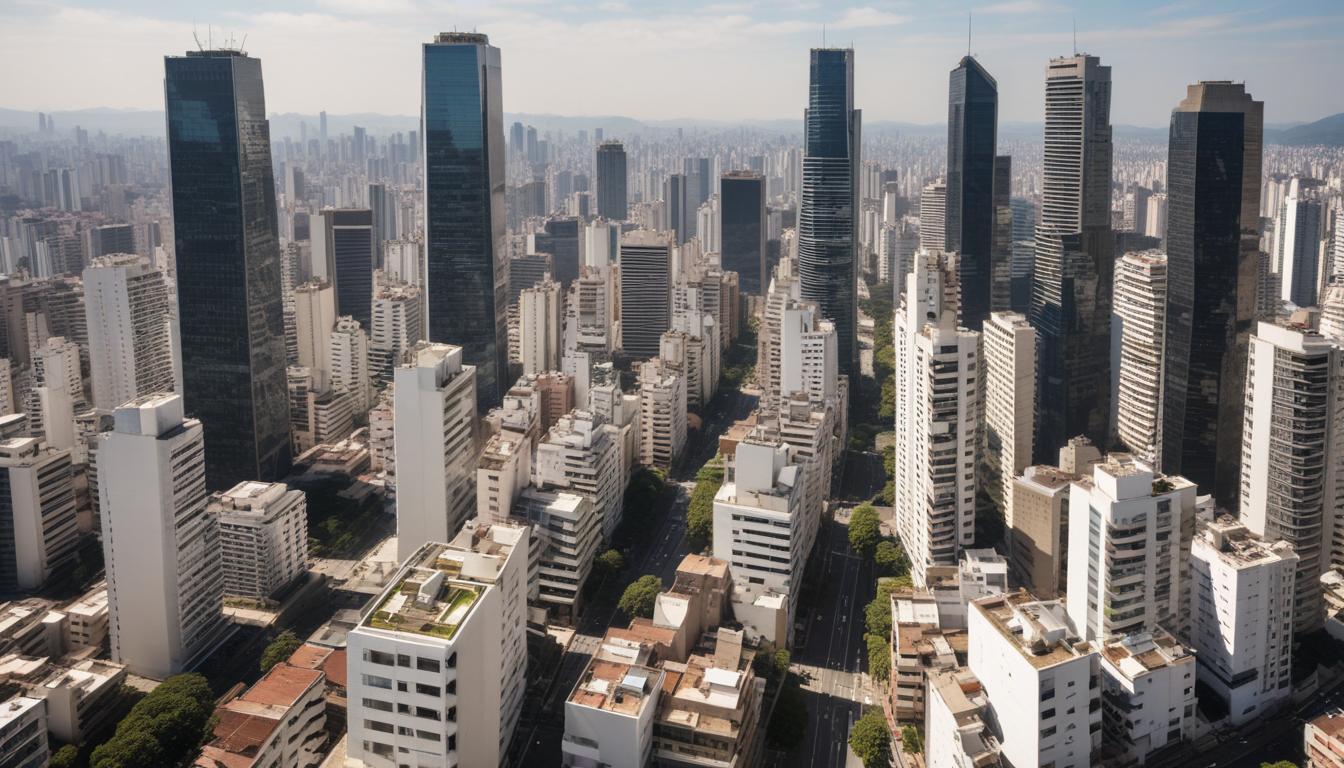
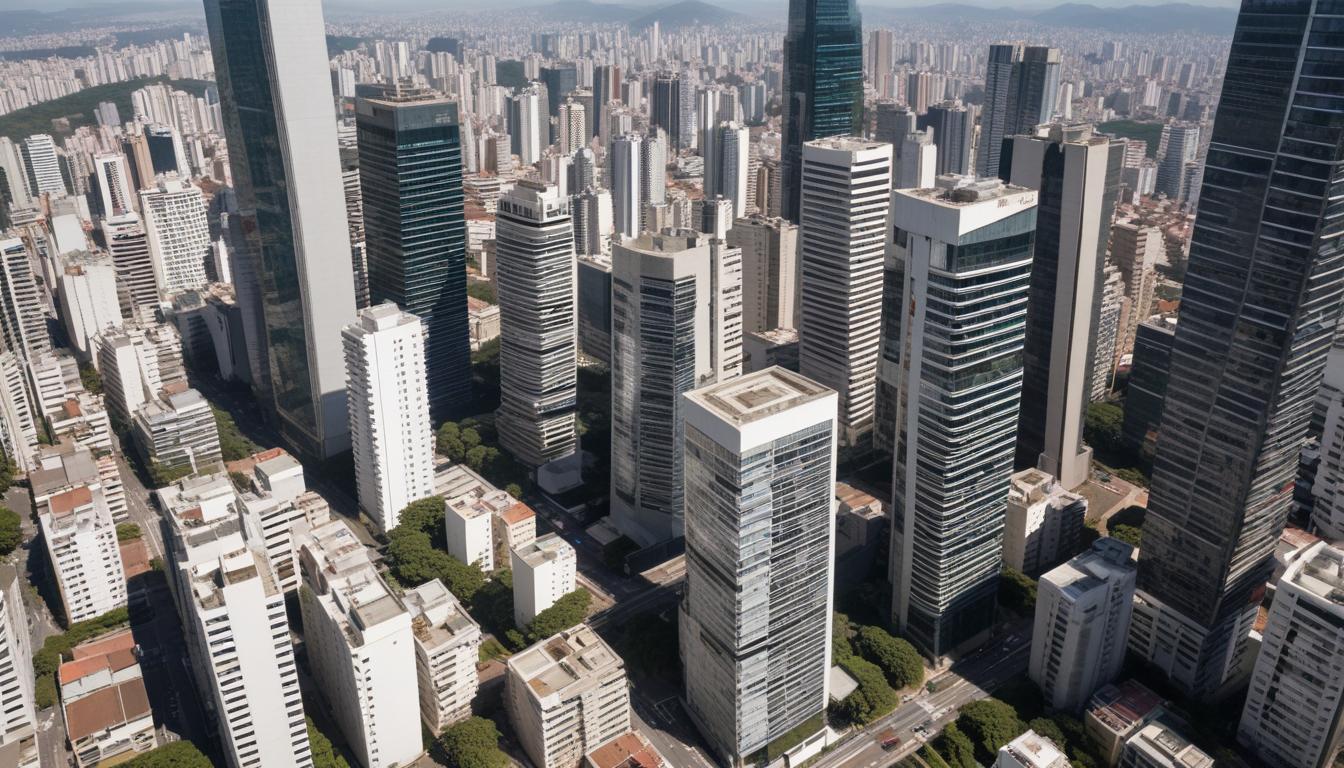
The São Paulo commercial property market is undergoing a profound realignment. After three years of pandemic-driven remote work experiments, major corporations are no longer seeking sprawling, fully-occupied towers. Instead, they're adopting hybrid models—and savvy developers are positioning themselves to capture this shift.
Data from commercial real estate analysts tracking the Vila Mariana and Pinheiros corridors shows a telling pattern: Class A office vacancy rates have climbed to 18.2 percent, yet purpose-built flexible workspace operators report near-full occupancy. The arbitrage opportunity is unmissable. While traditional landlords sit on underperforming leases, companies specializing in modular, short-term office solutions are expanding aggressively across Av. Paulista, the financial hub of Itaim Bibi, and emerging nodes in Vila Madalena.
The economics tell the story. A multinational consulting firm recently downsized its presence in a 15,000-square-meter block on Rua Óscar Freire, consolidating to a 3,000-square-meter adaptive space in Pinheiros. That freed-up square footage represents both a problem for traditional landlords and an opportunity for conversion-minded investors. Several smaller operators are now acquiring underleased floors in mixed-use buildings throughout Higienópolis and the Consolação district, retrofitting them into co-working hubs and corporate flex spaces renting at premium rates—often 20-30 percent above traditional lease prices—because of the flexibility premium.
The retail conversion trend is also accelerating. Struggling street-level retail on Rua Augusta and around the Metrô Consolação station is being transformed into micro-office suites tailored to startups and boutique firms. Commercial rents have stabilized in these neighborhoods, presenting a window for investors willing to take on renovation costs. Early movers in this space report strong returns, with occupancy rates outpacing the broader market.
What distinguishes the current moment is corporate certainty about hybrid work's permanence. Major firms—from technology companies expanding their São Paulo operations to professional services firms restructuring—are now signing five-year flex contracts rather than traditional ten-year leases. This predictability has attracted institutional capital to the sector in ways that seemed unlikely just two years ago.
The shift is also reshaping neighborhood dynamics. Previously dormant commercial districts like parts of Vila Leopoldina and Lapa are attracting investment as companies seek less congested alternatives to Paulista Avenue. Property valuations in these secondary zones have begun climbing as visibility improves.
For traditional landlords holding Class A trophy space, the message is stark: adapt or accept lower returns. For investors with flexibility, capital, and appetite for renovation, São Paulo's commercial market has entered a golden period—one where understanding tenant behavior matters more than controlling square footage.
This article was compiled by AI from the sources linked above and screened before publishing. See our editorial standards.